
Average Cost To Fix Roof Leak
This page summarizes the average cost to fix roof leak with clear ranges and influencing factors
Leaks can feel urgent and expensive, but having clear numbers helps you budget and choose the right solution. This guide walks through the average cost to fix roof leak, explains typical repair types, and highlights the variables that drive price differences. For a tailored estimate or to arrange an inspection, reach National Roofing Services at 303-555-7788.
Whether you have a small drip from a flashing or a major breach requiring partial re-roofing, the numbers below reflect real-world ranges and practical considerations. Read on to understand what most homeowners pay, how contractors calculate costs, and what you can do to keep repairs efficient and long-lasting.
What causes roof leaks and how they are diagnosed
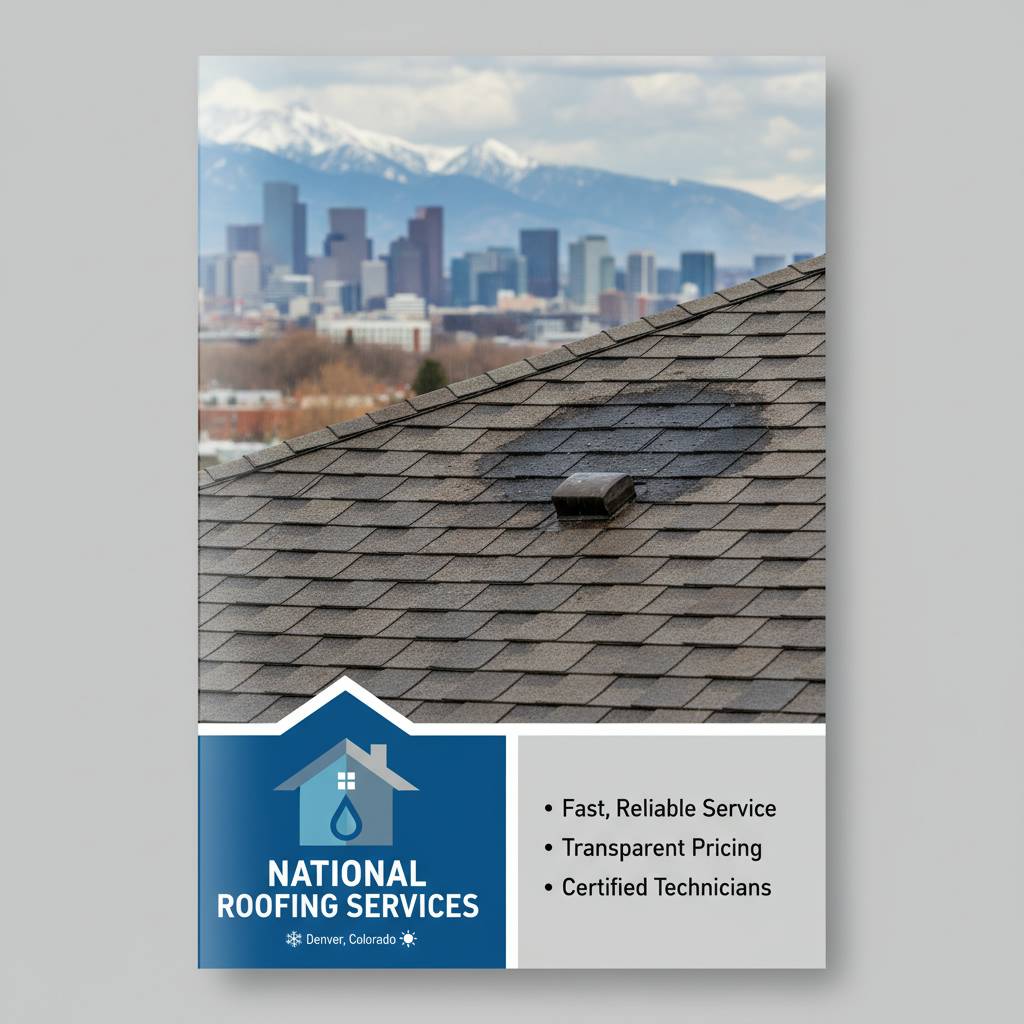
Roof leaks rarely come from a single, obvious source. Water can enter at deteriorated shingles, compromised flashing, cracked vents, or valley areas and then travel along roof decking or rafters before appearing inside. A professional diagnosis involves a visual roof inspection, interior attic examination, and sometimes targeted water tests during a simulated rain to trace the exact entry point.
Common early signs include water stains on ceilings or attic insulation, peeling paint, and visible mold growth. Catching leaks early minimizes repair scope and cost. When you call National Roofing Services, the inspection typically documents the leak source, material condition, and any underlying structural concerns so the written estimate you receive reflects both immediate repairs and necessary follow-up work.
Average cost to fix roof leak - clear ranges
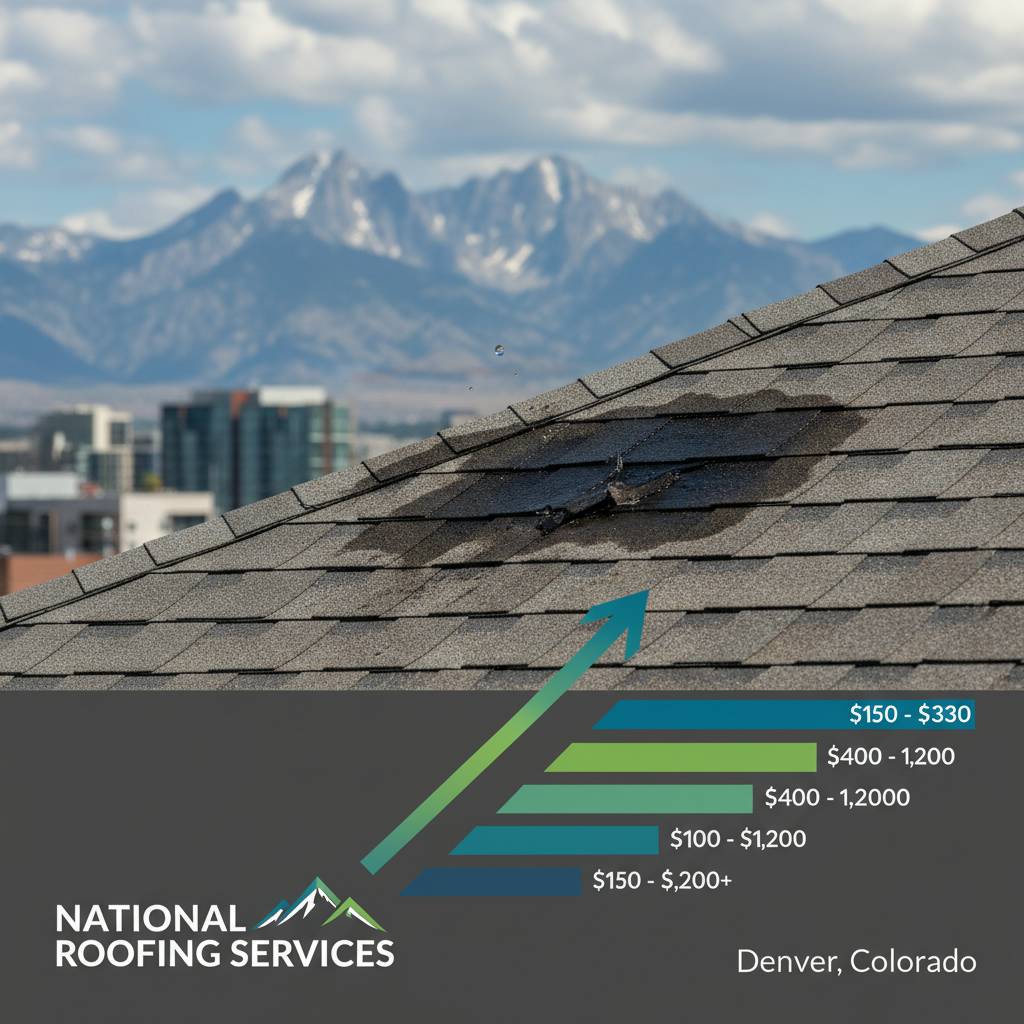 Average repair costs vary with the repair type, roof material, and severity. Below is a practical summary of typical ranges you can expect across common repair scenarios. These numbers are inclusive of labor and materials for a standard single-family home in most urban and suburban markets, but specific conditions can push prices higher or lower.
| Repair Type | Typical Cost Range | Notes |
|---|---|---|
| Small shingle patch or individual shingle replacement | $150 $400 | Fast, minimal materials; most economical when isolated. |
| Flashing repair or replacement (chimney, skylight, valleys) | $300 $1,200 | Wider range due to access difficulty and flashing type. |
| Pipe boot / vent boot replacement | $75 $250 | Quick fix if no surrounding damage; often DIY-friendly. |
| Localized roof section replacement (sheet or shingle area) | $800 $3,500 | Includes removal, decking repairs, and new underlayment. |
| Extensive leak repair requiring structural or decking replacement | $2,500 $7,500 | Costs grow when rot or framing repairs are needed. |
| Full roof replacement (if recommended) | $5,000 $25,000 | Depends on material, pitch, square footage, and tear-off. |
Key factors that influence repair pricing
Several variables influence the final price when fixing a roof leak. Material type is a major factor: asphalt shingles are generally less expensive to repair than tile, slate, or metal. Labor intensity and local labor rates are another prime driver - steep roofs, complex rooflines, and limited access all increase time and risk, which translates to higher costs.
Roof material and condition
Older or brittle materials may limit the options for patch repair. For instance, aged slate or cedar shakes often require more specialized labor and replacement pieces, pushing costs into the higher end of each range. If the roof is close to the end of its expected life, contractors may recommend larger-scale work to avoid repeated patching costs.
Leak location and severity
Leaks near valleys, chimneys, or roof penetrations usually cost more because flashing and adjacent materials are involved. Likewise, water that has compromised decking or attic insulation requires not only roof repair but also interior remediation. The depth and duration of water infiltration directly affect the scope and price.
Accessibility, pitch, and weather timing
Steep pitches and limited access (e.g., high eaves, trees close to the house) raise safety requirements and time on the job. Emergency or off-season work - such as repairs during heavy rain or winter freeze - also often costs more due to scheduling and added precautions. Planning repairs during regular business months helps control costs.
Common repair types explained
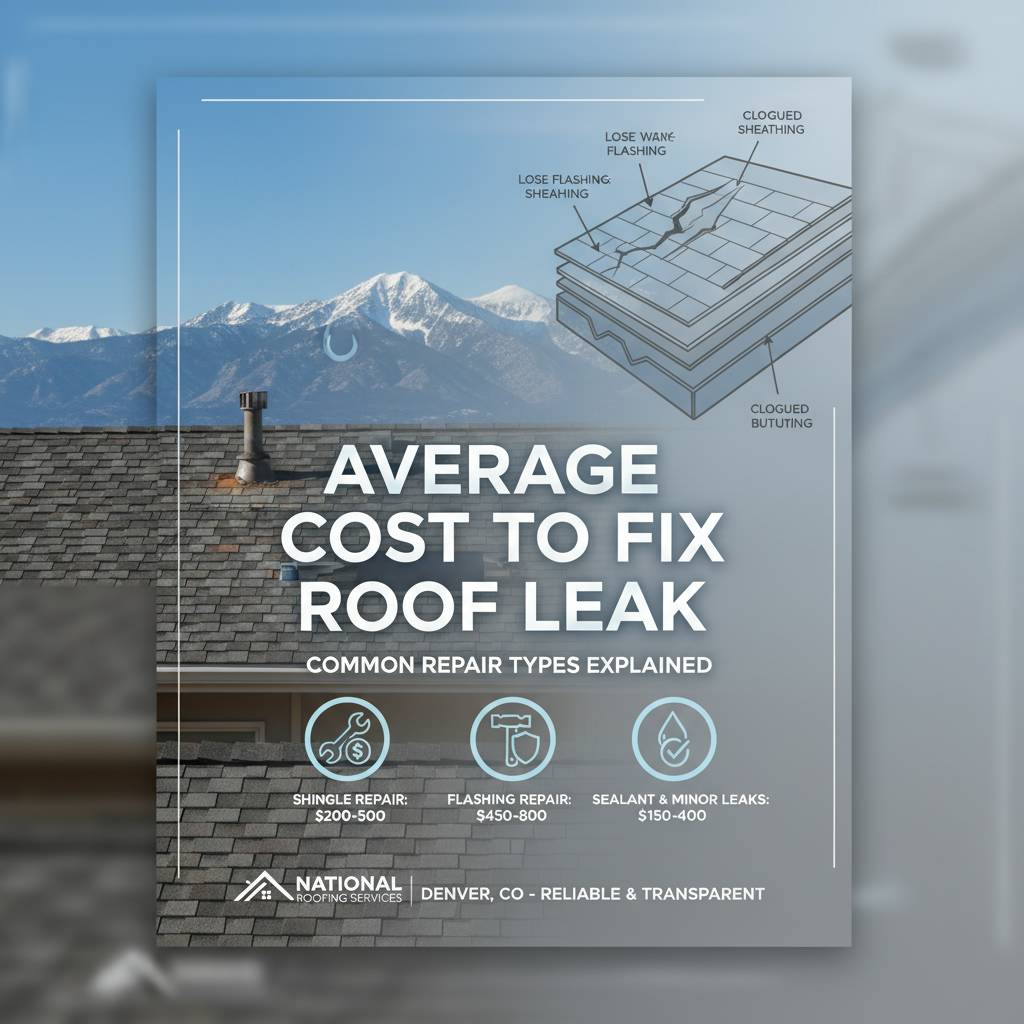 Understanding repair methods helps you evaluate contractor recommendations. Many repairs are straightforward and intended to restore waterproofing quickly; others require removal of materials and replacement of roof deck or structural components. Below are common approaches and what they mean for cost and longevity.
Shingle replacement and patching
Patching a few damaged shingles is typically the fastest and most economical fix. A technician removes the broken shingle(s), replaces nails, and seals neighboring shingles as needed. This often resolves small leaks and can be completed in an hour or two on most roofs. The downside: repeated patches on an older roof may be a sign that a larger section or full replacement is warranted.
Flashing repair or replacement
Flashing - around chimneys, skylights, and valleys - is a frequent leak source. Replacing or resealing flashing can stop leaks for many years when competent metalwork and proper sealants are used. Complexity increases if flashing is integrated into the roof deck or if chimneys need re-pointing or additional masonry work.
Decking and structural repairs
If moisture has rotted roof decking or affected rafters, the repair moves beyond surface work. Damaged decking must be removed and replaced before new underlayment and roofing material are installed. Structural repairs significantly increase labor and material costs but are critical for a durable solution.
How to get an accurate, fair estimate
 Getting the most accurate estimate starts with a thorough inspection and clear documentation. Ask prospective contractors to include line-item prices for materials, labor, permits, disposal, and any recommended follow-up work. A written estimate reduces surprises and creates a baseline for comparing proposals.
- Request a written inspection report showing the leak source and photos.
- Ask whether the contractor will remove and replace damaged decking if found.
- Confirm licensing, insurance, and warranty details in writing.
- Obtain at least two competitive estimates for comparison.
When you consult National Roofing Services, you will receive a clear estimate that separates repair types and explains potential contingencies. This transparency makes budgeting straightforward and helps you decide whether to patch, partially replace, or re-roof based on long-term value.
Real-world examples and case studies
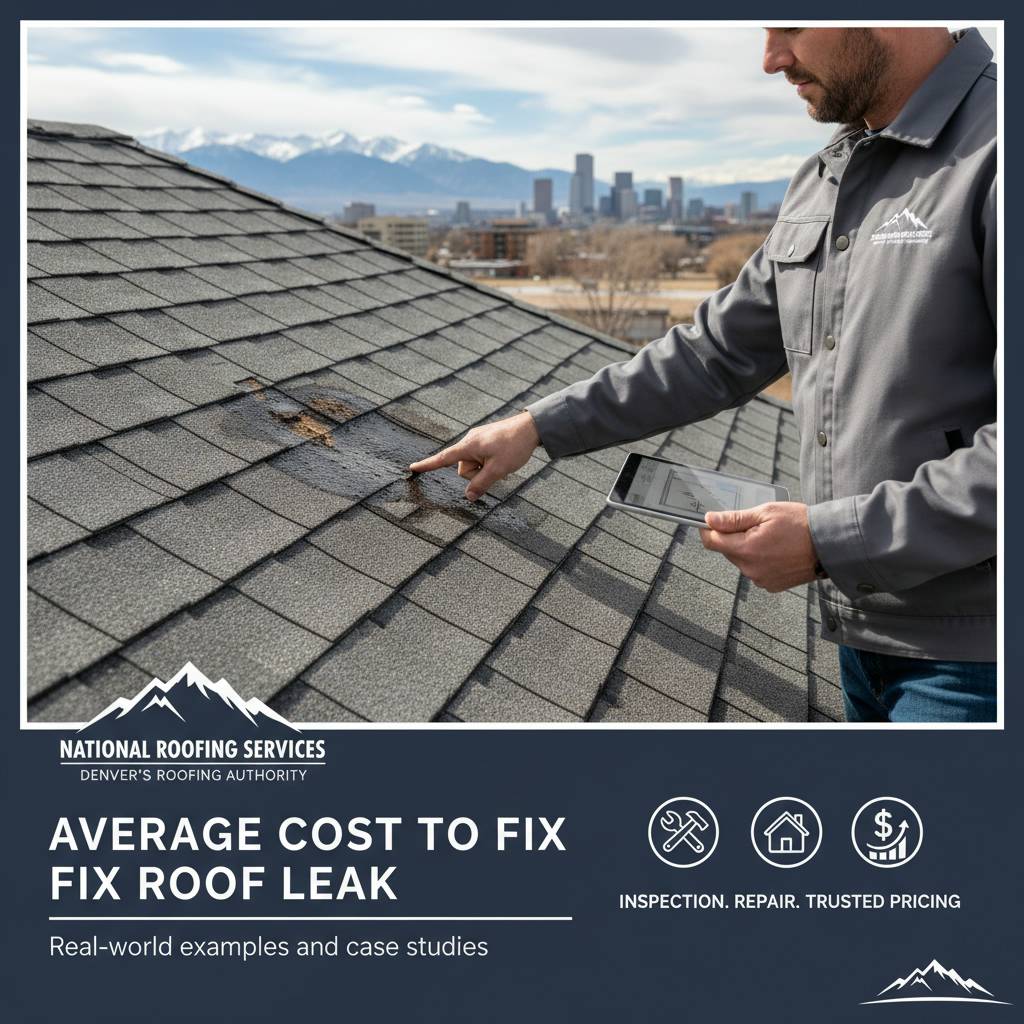 Example 1: A three-bedroom home had a slow leak around a skylight. Inspection showed missing flashing and minor decking stains. The contractor replaced the skylight flashing, resealed the frame, and replaced two adjacent shingles. Total cost: $850. This solution stopped the leak, corrected the immediate flashing failure, and avoided unnecessary decking replacement.
Example 2: An older bungalow experienced recurring leaks through a roof valley. Inspection revealed widespread shingle failure and rot in 20 square feet of decking. The contractor removed the affected area, installed new decking and underlayment, and replaced shingles over the section. Total cost: $3,400. While higher than a simple patch, the work prevented larger structural problems.
Frequently asked questions
How quickly should I address a roof leak?
Address leaks promptly. Even a small, slow leak can cause mold growth, insulation damage, and structural rot if left unchecked for months. Early intervention often keeps costs in the lower repair ranges and prevents interior damage.
Can I patch a leak myself?
Minor repairs such as replacing a pipe boot or a single shingle can be successfully completed by confident DIYers with safe ladder practices. However, diagnosing the true leak entry point and performing flashing work often requires professional expertise and tools. If you're uncertain, a professional inspection from National Roofing Services can save time and money in the long run.
Will my insurance cover roof leak repairs?
Coverage depends on the cause. Sudden, storm-related damage is often covered, while wear-and-tear or lack of maintenance usually is not. Document the damage and request an adjuster inspection if you believe the event qualifies. Contractors can often help document the cause and provide cost breakdowns for claims.
Practical tips for keeping repair costs manageable
Routine roof maintenance is the most effective way to limit repair costs over time. Clear gutters, trim overhanging branches, and schedule annual inspections to catch small issues early. When choosing repairs, prioritize fixes that restore proper water diversion (flashing, valleys, and underlayment) to reduce the likelihood of repeat leaks.
- Budget for an inspection at the first sign of staining or ceiling discoloration.
- Keep a record of past repairs and materials used - this helps contractors make efficient recommendations.
- Consider a partial re-cover if a roof is aging and has multiple small leaks; it can be more cost-effective than repeated patches.
Next steps and how National Roofing Services can help
 If you want an accurate, personalized quote for the average cost to fix roof leak at your property, schedule a professional inspection. National Roofing Services offers thorough diagnostics, clear written estimates, and transparent pricing so you know what to expect before work begins. We aim to balance cost, durability, and code-compliant repairs tailored to your home's needs.
To request an inspection or get a fast estimate, contact National Roofing Services at 303-555-7788. We can walk you through likely scenarios, discuss warranty options, and prioritize repairs that deliver the best long-term value for your situation.
Prompt action prevents small leaks from becoming major expenses. Reach out to National Roofing Services at 303-555-7788 for a personalized assessment and clear, reliable pricing.