How Roof Inspections Prevent Leaks
This article demonstrates how roof inspections prevent leaks by identifying vulnerabilities early. It details inspection points and frequency to reduce future damage. Schedule an inspection with National Roofing Services at 303-555-7788 for proactive protection. A timely inspection can save thousands.
Why early roof inspections matter
Understanding how roof inspections prevent leaks starts with recognizing that roofs are your first line of defense against water intrusion. Small issues such as a slipped shingle, cracked flashing, or a clogged gutter rarely remain small: moisture finds paths and accelerates deterioration. Early detection allows targeted repairs that stop leaks before they compromise insulation, structural members, or interior finishes, preserving both safety and property value.
Routine inspections also reduce long-term costs. A timely repair is typically a fraction of the price of replacement or large-scale water remediation. By identifying trends - such as recurring ponding, insect activity around eaves, or accelerated wear on one slope - inspectors can recommend changes that extend service life. That combination of risk reduction and cost control is central to why contractors, insurers, and homeowners prioritize regular roof checks.
Beyond cost savings, inspections provide peace of mind. Homeowners and property managers who document roof condition over time can anticipate maintenance needs on a predictable schedule. This proactive approach minimizes emergency calls during storms and supports better budgeting for future maintenance or replacement. If you want a professional review, National Roofing Services can help - call 303-555-7788 to arrange an assessment.
Key inspection points: what professionals look for
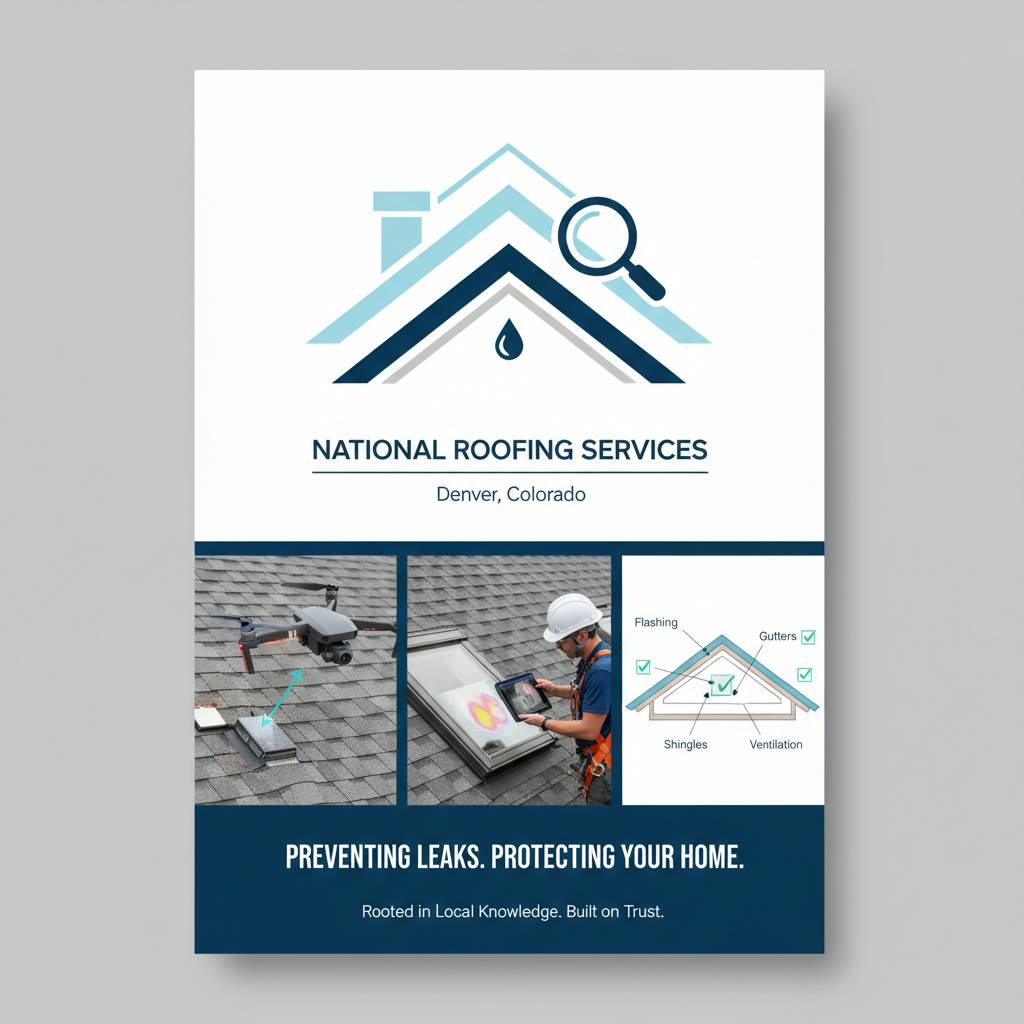 A thorough inspection examines a range of components, each of which can contribute to leaks if neglected. Inspectors check roofing materials for wear and displacement, verify flashing integrity around chimneys and vents, assess seals at skylights, and observe gutters and downspouts for blockages. They also examine attic spaces for signs of water penetration and insulation issues that may indicate a hidden leak above.
Exterior surface and flashing
On the roof surface, professionals look for missing or damaged shingles, curling edges, and granule loss on asphalt roofs that signals thinning protection. Flashing around chimneys, valleys, and penetrations is another frequent source of leaks. Even small separations or rust can create direct paths for water and should be addressed promptly to restore a watertight barrier.
Drainage, gutters, and roof accessories
Proper drainage prevents standing water that degrades membranes and underlayment. Inspectors evaluate gutters and downspouts for clogs or improper pitch, and they examine roof-mounted equipment - like solar panels and HVAC units - which can create penetration points. Regular clearing and secure attachment of accessories are simple measures that substantially lower leak risk.
- Shingles and membrane condition: missing, cracked, or brittle materials
- Flashing and sealants: gaps, rust, or failed caulking
- Gutters and downspouts: blockages, sagging, or disconnected sections
- Roof penetrations: vents, skylights, chimneys, and equipment seals
- Attic inspection: signs of moisture, staining, mold, or compromised insulation
Inspection frequency and timing recommendations
How often you should inspect depends on roof type, age, local weather, and surrounding vegetation. As a baseline, a professional inspection once per year is prudent for most homes. Many homeowners also schedule a quick check after severe weather events - such as heavy wind, hail, or prolonged storms - to catch storm-related damage early before it evolves into leaks and structural issues.
For roofs older than 10 years, biannual inspections are often advisable. Aging materials can fail more suddenly, and seasonal thermal cycling accelerates wear. In shaded or tree-lined areas, fall inspections to clear leaves and debris ahead of winter precipitation are especially valuable. Likewise, commercial roofs with flat membranes may need quarterly attention to manage ponding and traffic wear.
Documenting each inspection provides a maintenance record that improves decision-making. A clear history allows you to anticipate replacement timelines, validate warranty claims, and compare the impact of repairs. If you prefer professional oversight, scheduling recurring inspections with National Roofing Services ensures consistent monitoring; call 303-555-7788 to set up a plan that fits your property.
DIY vs professional inspections: making the right choice
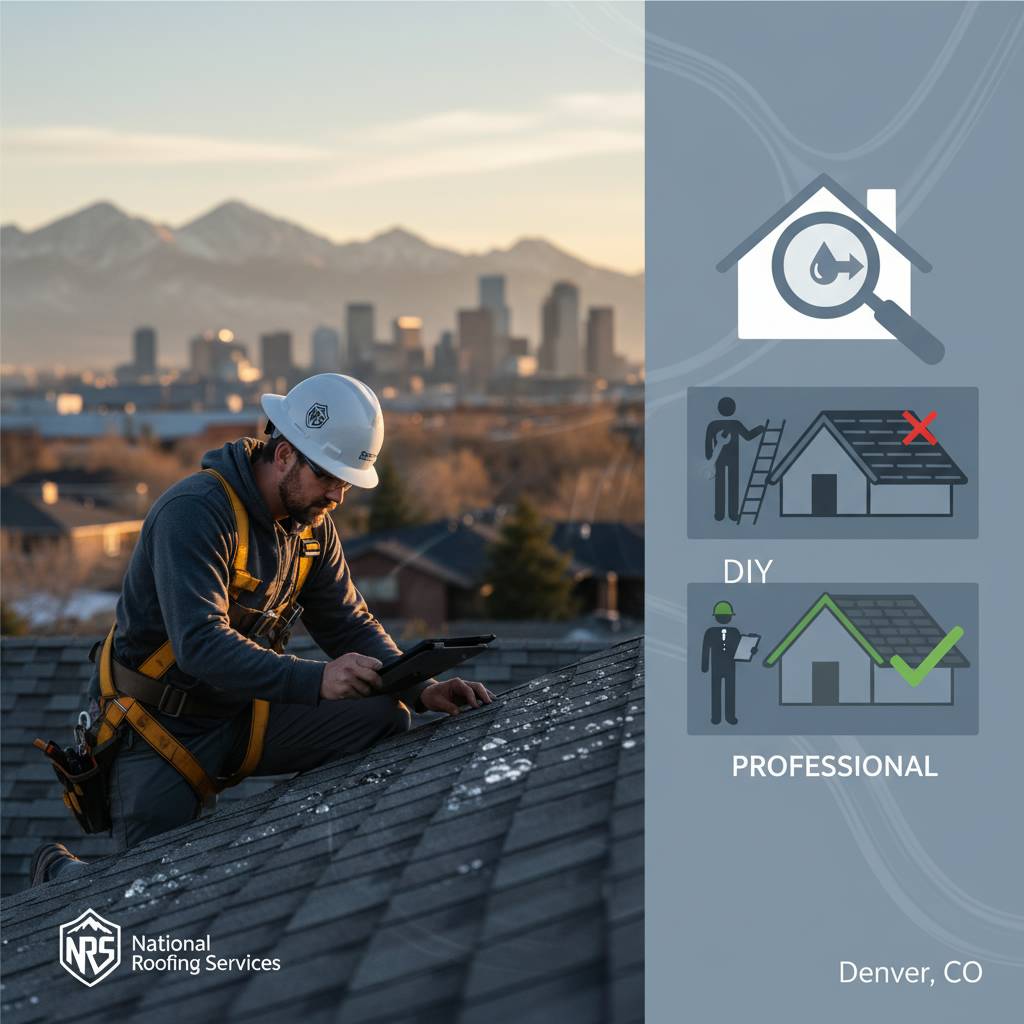 Homeowners can perform informal visual checks safely from the ground or via a ladder if comfortable with basic precautions, but there are limits. DIY inspections are useful for spotting obvious issues, like missing shingles or clogged gutters, and they help determine if a professional visit is warranted. However, subtle problems - such as failing underlayment, small flashing leaks, or attic moisture staining - often require experience and tools to diagnose correctly.
| Aspect | DIY Check | Professional Inspection |
|---|---|---|
| Safety | Higher risk for inexperienced individuals | Performed by trained personnel with safety gear |
| Diagnostic tools | Visual only, limited attic checks | Moisture meters, thermal imaging, and binoculars |
| Repair recommendations | Basic maintenance suggested | Detailed priority list and cost estimates |
Professionals bring a systematic approach and specialized equipment to detect hidden vulnerabilities. Infrared cameras reveal cool spots indicative of moisture, moisture meters quantify dampness, and experience helps distinguish cosmetic wear from leak-prone defects. For comprehensive protection, a professional inspection at least annually complements more frequent homeowner visual checks.
What to expect during a professional roof inspection
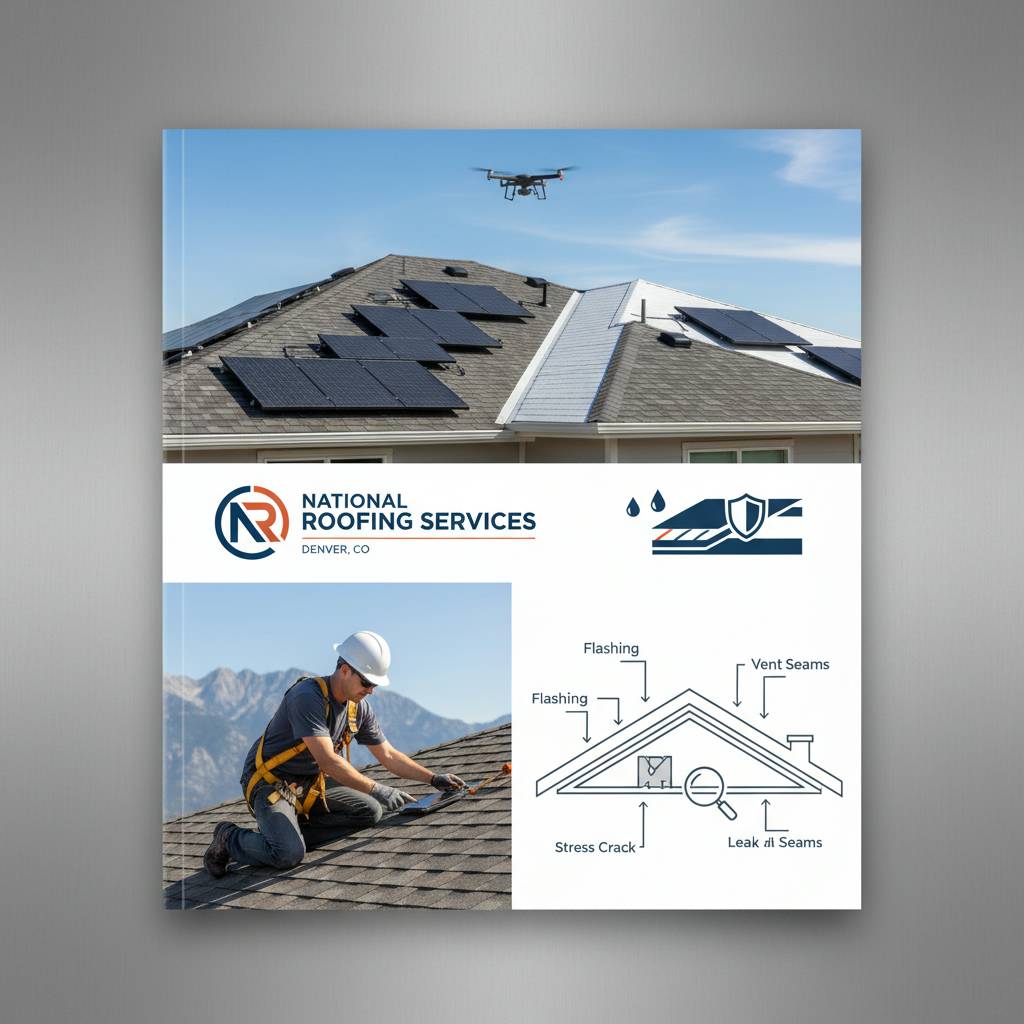 When you schedule a professional inspection, the inspector will typically follow a structured process: exterior roof walk (or drone survey for steep/unsafe roofs), flashing and penetration assessment, attic and interior evaluation, and a final report with photos and recommended actions. The report prioritizes findings so you can address critical leak sources first, avoiding unnecessary work on non-urgent items.
Inspectors often provide clear documentation: annotated photos, a list of repairs with cost ranges, and maintenance tips to extend the roof's life. Transparent communication is important - expect an explanation of how each issue can cause leaks and what timelines apply if left unattended. A good inspector will also answer questions about warranties, materials, and long-term maintenance strategies tailored to your roof and climate.
- Initial exterior assessment: visible damage, debris, and drainage
- Close inspection of flashings, seals, and fasteners
- Attic check for water stains, insulation issues, and ventilation problems
- Summary report with prioritized recommendations and estimated costs
Preventive repairs and long-term savings
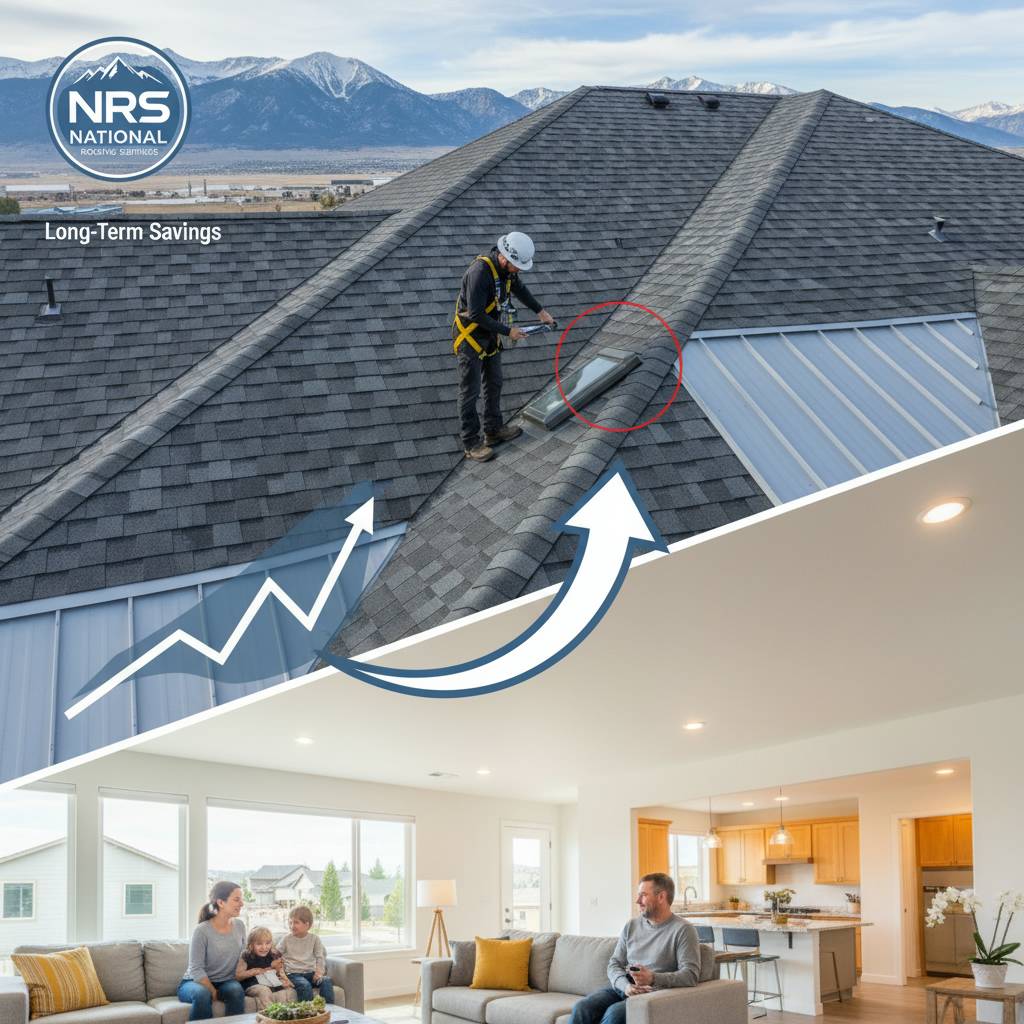 One of the clearest ways how roof inspections prevent leaks is by enabling preventive repairs that are relatively inexpensive compared with emergency fixes. Small tasks - re-securing flashing, replacing a handful of compromised shingles, or clearing a blocked valley - typically cost a few hundred dollars. In contrast, a significant interior repair following a prolonged leak, or a premature roof replacement, can run into thousands or tens of thousands.
Consider a simple case study: a homeowner who scheduled an annual inspection caught a failing chimney flashing and minor attic staining. Prompt flashing repair and targeted underlayment replacement prevented widespread water penetration and insulation replacement. The cost of the initial repair was less than 5% of the cost they avoided by preventing mold remediation and drywall replacement. These real-world examples illustrate how vigilance pays off.
Beyond immediate repairs, inspections support strategic planning. Regular reports allow you to budget for partial repairs, phased maintenance, or eventual replacement on your terms rather than under duress. Those decisions preserve curb appeal, maintain energy efficiency, and minimize disruption to daily life. If you want to protect your investment proactively, National Roofing Services can help you prioritize work and schedule interventions; contact us at 303-555-7788.
Practical tips and final recommendations
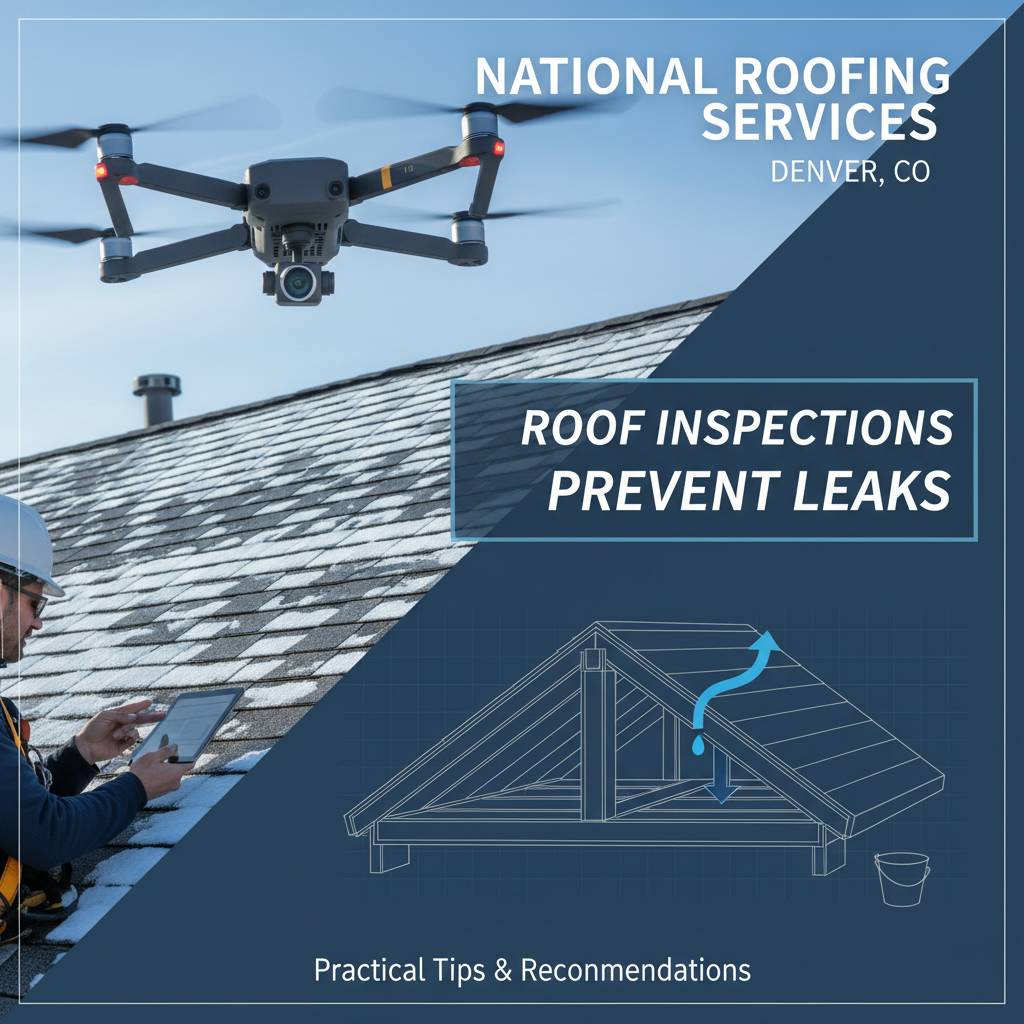 Simple habits complement professional inspections and reduce leak risk between scheduled visits. Keep gutters and downspouts clear, trim overhanging branches that abrade shingles, and avoid storing heavy items on flat roofs without proper protection. Inspect attics seasonally for new stains, increased humidity, or mold - early signs that an exterior problem may be developing.
When selecting a contractor or inspector, look for credentials, references, and clear reporting practices. A trustworthy inspector explains findings in plain language, provides photographic evidence, and offers a prioritized action plan. Beware of high-pressure sales or overly broad replacement recommendations without documented defects. A balanced, evidence-driven approach delivers both protection and value.
For homeowners who prefer professional peace of mind, scheduling a comprehensive inspection is a practical next step. Whether you need a seasonal check, a pre-storm assessment, or a full diagnostic evaluation, professional inspections are the most reliable way to understand how roof inspections prevent leaks and to plan for long-term care.
Next steps and how to schedule
Ready to protect your property? Schedule a professional inspection with National Roofing Services to get a thorough assessment and a clear plan for preventing leaks. A well-documented inspection can save thousands in avoided damage and give you confidence that your roof is performing as it should. Call now to set a convenient appointment.
Call to schedule: 303-555-7788
At National Roofing Services, we combine experienced inspectors, clear communication, and practical maintenance solutions. If you have questions or would like a quote, reach out and we'll guide you through the process. A timely inspection is a small investment that protects your home and peace of mind.
Closing
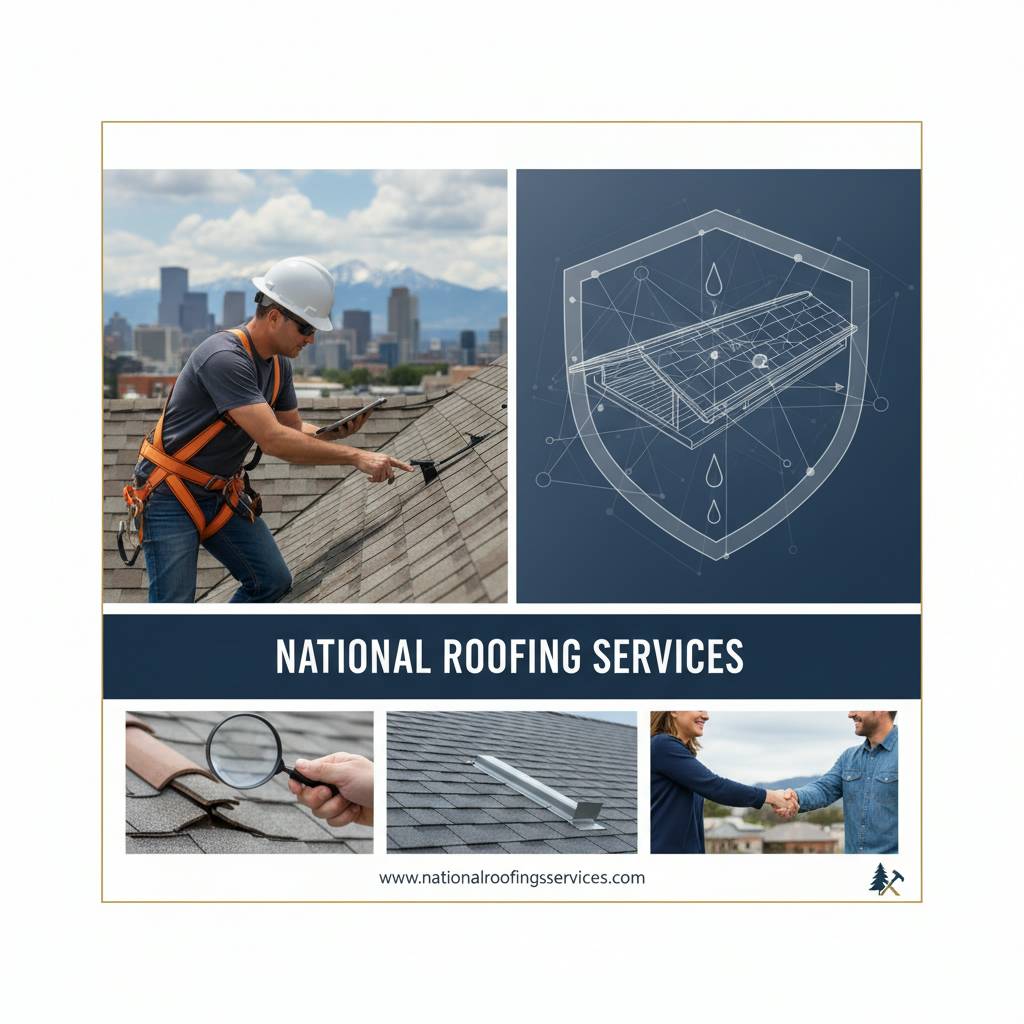 Understanding how roof inspections prevent leaks is the first step to long-term protection. Regular inspections identify vulnerabilities early, guide cost-effective repairs, and reduce the risk of costly interior damage. For reliable, professional service and a documented inspection plan, contact National Roofing Services at 303-555-7788. We're ready to help you protect your property and avoid unnecessary surprises.