Common Roof Repair Mistakes To Avoid
This piece highlights common roof repair mistakes to avoid and how to prevent them
Roof problems are rarely convenient, but a little knowledge can stop a small issue from becoming a major repair. Whether you're a first-time homeowner or have handled a few repairs, understanding the common roof repair mistakes to avoid helps protect your home and wallet. National Roofing Services has handled countless jobs where shortcuts created long-term costs, and we're happy to share practical guidance. For expert assistance, call us at 303-555-7788.
Common mistakes homeowners make
When roofs begin to show their age, many homeowners jump to quick fixes instead of diagnosing root causes. One frequent error is treating surface symptoms-like missing shingles or a small leak-as isolated issues rather than signs of broader deterioration. Another is delaying repairs, hoping that rain or wind won't return. These choices often lead to more extensive rot, insulation damage, and higher repair bills down the road.
Other typical mistakes include using mismatched materials during patchwork, failing to address flashing problems, and ignoring attic ventilation. Mismatched shingles and improper flashing create weak seams where water and wind can penetrate, while poor ventilation accelerates shingle degradation and can warp roof decking. Each of these missteps seems small at first, but their combined effect compounds rapidly.
Specific shortcuts that create long-term costs
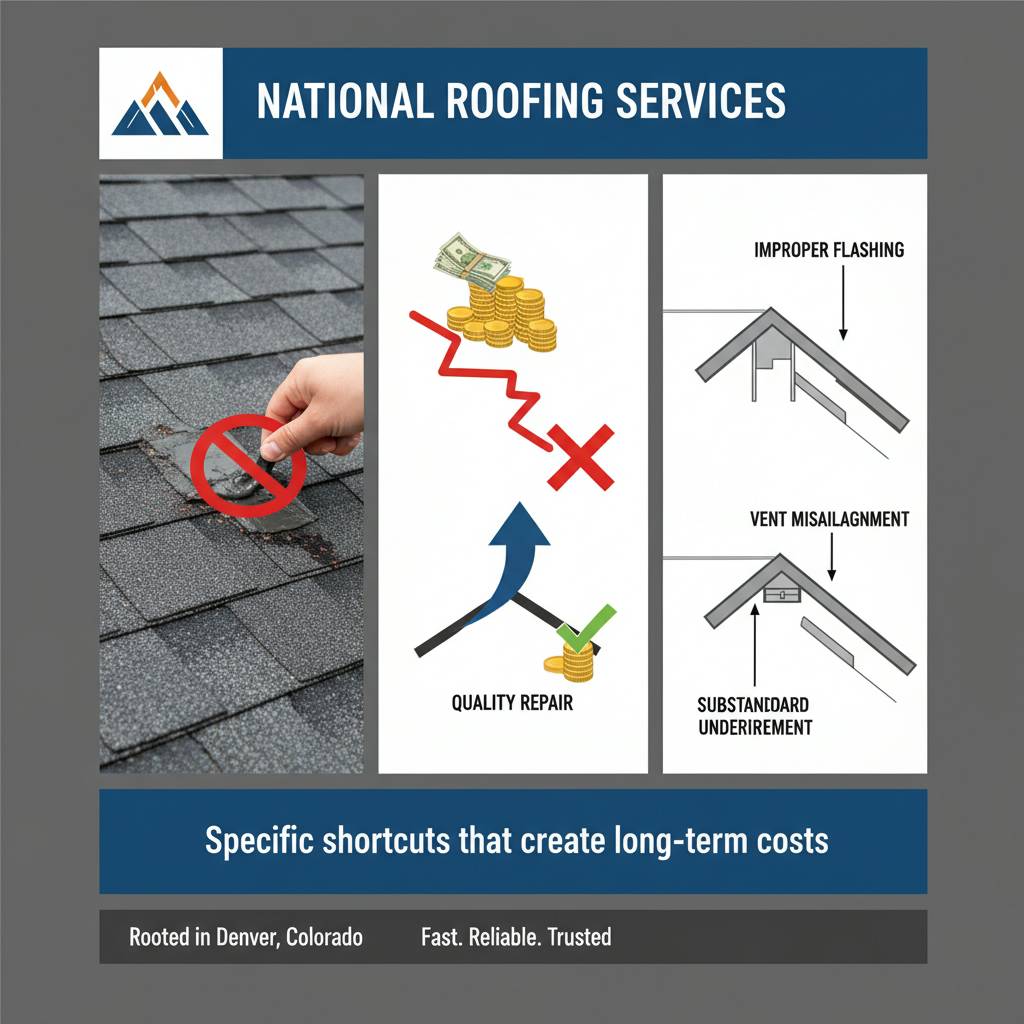
- Patching instead of replacing - Replacing a few shingles might look fine, but if the underlayment or decking is compromised, the patch only postpones replacement and adds complexity when the full job is finally required.
- Using inconsistent materials - Mixing different shingle types, ages, or manufacturers can void warranties and accelerate wear where pieces interface poorly.
- Neglecting flashing and sealants - Flashing around chimneys, vents, and valleys is a common failure point; cheap caulking is a temporary bandage, not a solution.
- Improper fastener use - Nails or staples placed incorrectly can allow shingles to lift or water to track beneath them, leading to hidden leaks and rot.
These shortcuts save time and money up front but almost always increase the long-term expense. A patch job that fails during a heavy storm not only requires redo of the visible roof but often uncovers additional interior damage to ceilings, insulation, and structural wood, multiplying costs and disruption.
How to spot problems early and avoid missteps
Early detection is the simplest way to prevent common roof repair mistakes. Start with seasonal inspections: look for curled, cracked, or missing shingles; inspect flashing and chimney seals; and examine the attic for signs of light or water intrusion. Small stains on interior ceilings or musty attic odors are early red flags. Addressing these signs promptly usually means a targeted repair rather than a full replacement.
What to check up close
When you safely access a ladder, examine roof valleys and transition points where planes meet-these are stress areas prone to water intrusion. Check gutters and downspouts for granules, which indicate shingle wear, and look beneath gutters for rust streaks or rot. If you're uncomfortable with heights or the slope is steep, hire a professional; a proper inspection can save money by catching problems while they're manageable.
DIY vs. professional repairs: what to attempt and what to leave to pros
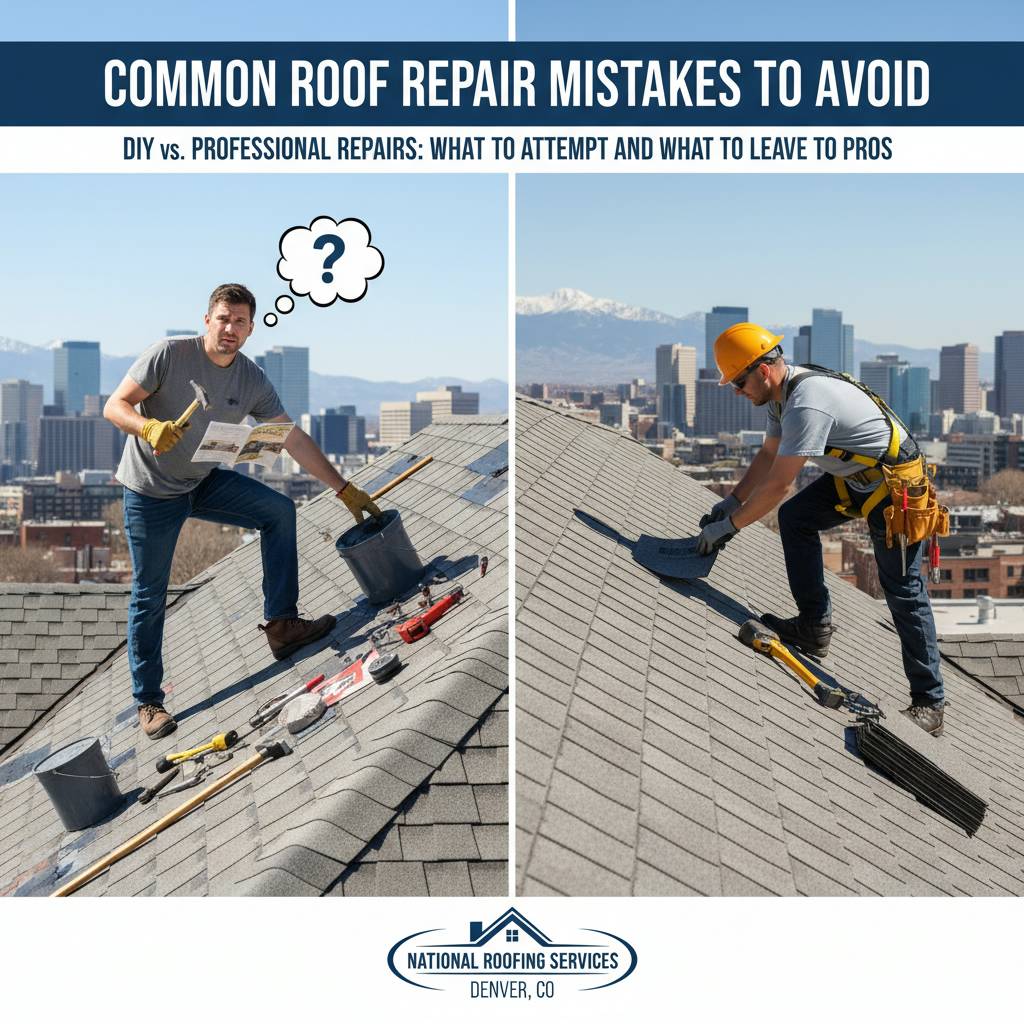 Some maintenance tasks are good DIY projects: clearing debris from gutters, removing moss with appropriate cleaners, or replacing a single, easily reached shingle when the decking is sound. These chores require caution and the right safety gear, but they can extend roof life and delay major work. Still, many interventions are best handled by professionals with training, insurance, and access to specialized materials.
| Task | DIY Appropriate? | When to hire a pro |
|---|---|---|
| Gutter cleaning | Yes | If gutters are damaged, sagging, or connected to roof leaks |
| Shingle replacement (simple) | Sometimes | When decking or underlayment may be rotted, or multiple shingles are affected |
| Flashing replacement | No | Always-requires skill and leak testing |
| Full roof replacement | No | Always-permits, structural assessment, waste disposal, and warranty work |
Hiring a reputable contractor reduces risk of rework due to improper techniques or materials. Professionals offer inspection reports, warranty options, and proper fastening and sealing methods that last. If a job requires getting under roofing papers, handling complex intersections, or modifying ventilation, bring in someone experienced-National Roofing Services can help with those exact situations and offer honest advice about what's necessary.
Best practices to prevent mistakes and prolong roof life
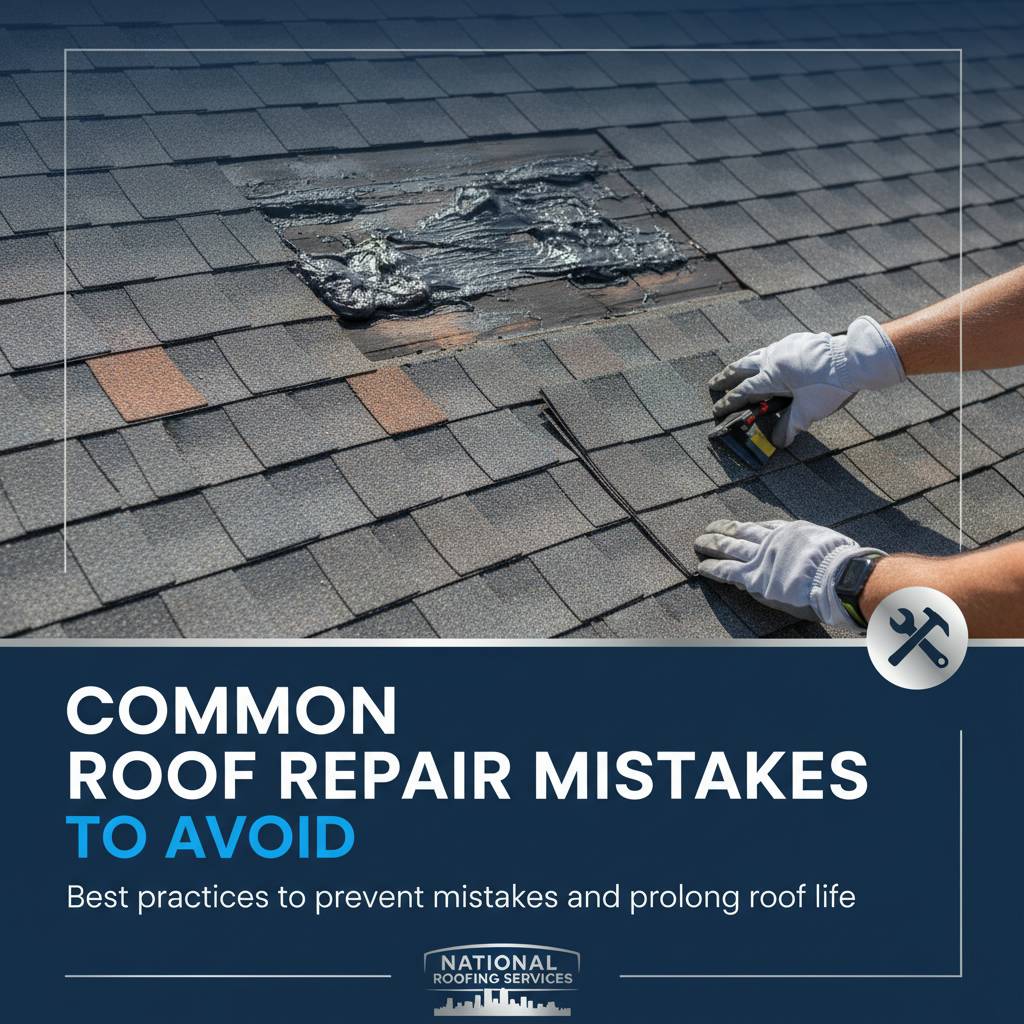 Start with a simple maintenance plan: inspect twice a year, keep gutters clear, trim nearby trees, and document repairs. Routine checks help you spot problems before they escalate. Make sure any replacement materials match the existing roof in color, weight, and exposure rating, and always use the manufacturer-recommended underlayment and fasteners. These details protect warranties and ensure consistent performance across the roof surface.
- Schedule professional inspections after major weather events.
- Replace roof components in logical groups-don't mix old and new where possible.
- Address attic insulation and ventilation issues to prevent thermal stress and moisture buildup.
- Keep warranty documents and contractor receipts in a safe place for future reference.
Investing small amounts in preventative care typically costs far less than emergency repairs. For example, replacing rotted flashing early is usually a minor job; leaving it to degrade can force a full tear-off when rot spreads to the roof deck. Prioritize preventive actions and partner with a contractor who explains choices clearly-NRS clients often tell us how much they appreciated that upfront education.
Real-life examples: how shortcuts turned into big jobs
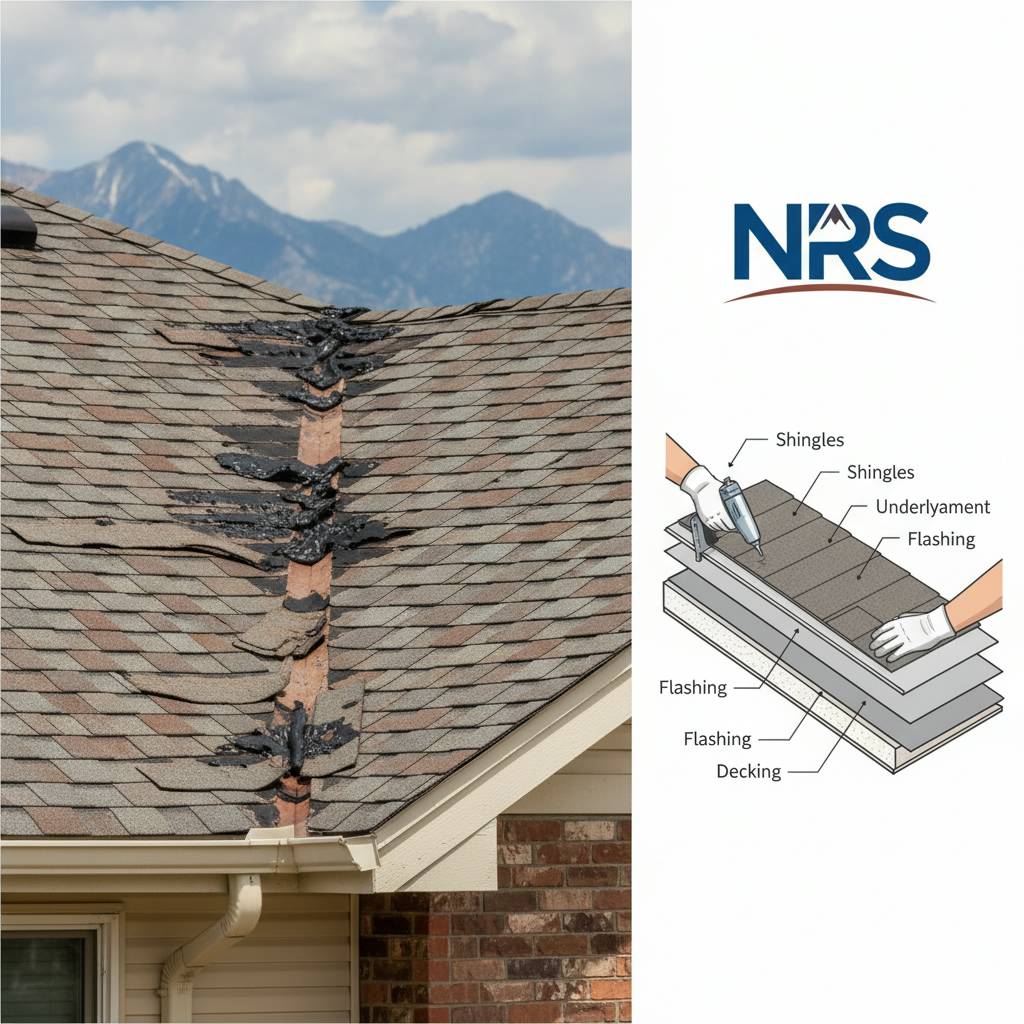 A homeowner once hired a low-cost crew to patch a leak under warranty, but the crew used mismatched shingles and inexpensive sealant. Over two winters the leak returned, and when the roof was removed, extensive rot had compromised several rafters. The initial savings vanished when a full replacement and structural repair were required. A proper repair at the outset would have avoided both structural damage and greater labor costs.
In another case, a do-it-yourself fix used roofing cement instead of replacing failed flashing around a vent. The cement failed within a season; water had already infiltrated insulation and drywall. That interior damage increased the total claim and required additional trades (electrician, drywall, painter) beyond just roofers. These examples highlight the practical downside of cutting corners: the repair becomes more invasive and expensive.
Frequently asked questions and quick tips
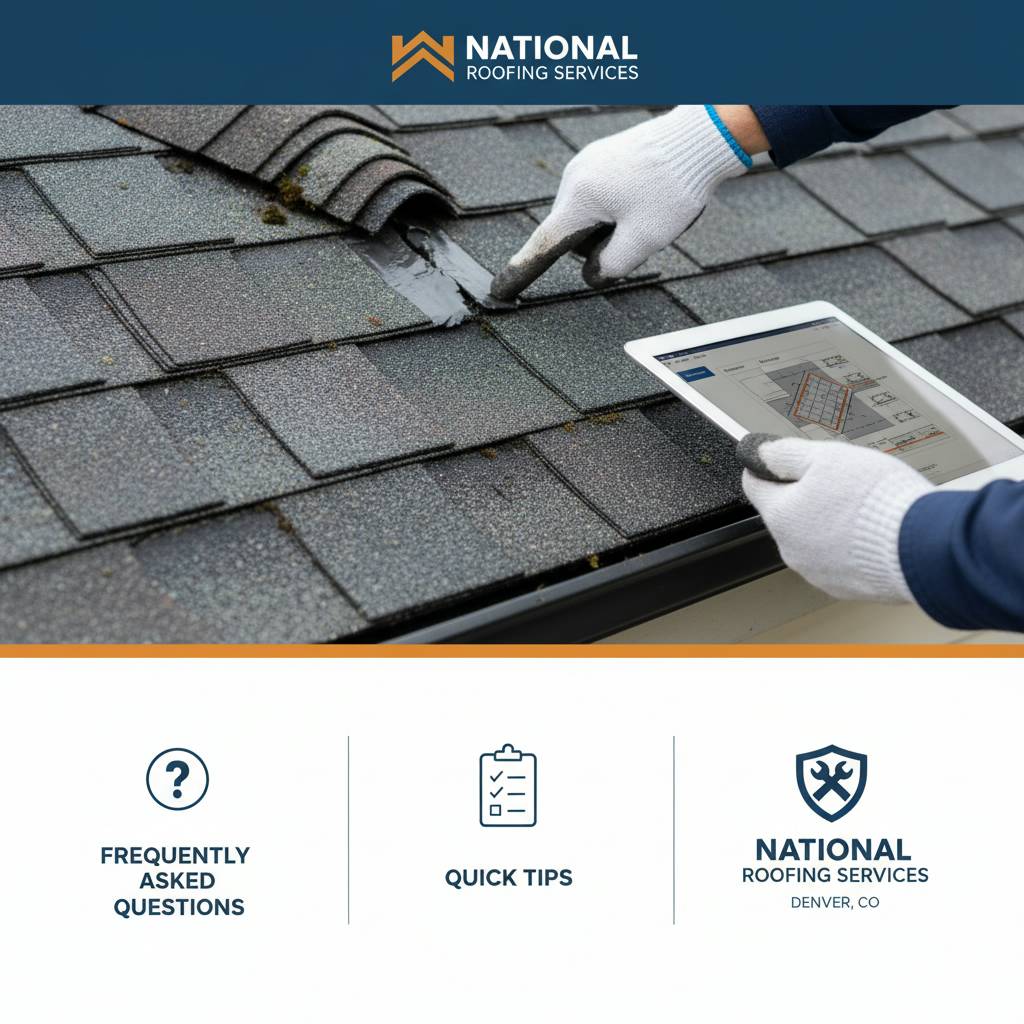 Below are concise answers to common homeowner concerns that relate directly to common roof repair mistakes to avoid.
- How often should I inspect my roof? Twice a year-spring and fall-or after severe weather. Inspections catch issues early and keep small problems from becoming costly.
- Can I replace a single shingle? If the decking and underlayment are dry and intact, yes. If you see granular loss, soft spots, or multiple damaged shingles, consult a pro.
- Is flashing repair always urgent? Yes. Flashing failures are a frequent source of hidden leaks and should be addressed promptly to prevent interior damage.
- Will insurance cover my roof work? It depends on the cause-sudden storm damage is commonly covered, while wear-and-tear and deferred maintenance are not. Keep records to support any claim.
Quick tip: If you hear or see water staining inside your home, move to action right away. The longer stains sit, the more they signal underlying rot or mold risk-both of which complicate repairs and increase expense.
Final thoughts and next steps
 Understanding the common roof repair mistakes to avoid lets you make better decisions about repairs, hiring, and maintenance. Short-term savings can easily turn into long-term costs if work is done poorly or materials are mismatched. Prioritize inspections, use consistent materials, and don't delay repairs that show signs of water intrusion or structural compromise.
If you'd like a professional roof inspection or a second opinion on a proposed repair, National Roofing Services is ready to help. Our team focuses on long-term solutions that preserve your home's value and prevent repeated service calls. Call us at 303-555-7788 to schedule an assessment or to ask a question-protect your investment with professional care.
Contact us today: Reach out to National Roofing Services at 303-555-7788 for expert repairs done right. Protect your investment with professional care and avoid common roof repair mistakes to avoid costly follow-up work.