Best Roofing Materials For Leak Prevention
This article reviews the best roofing materials for leak prevention and long term durability
Choosing the right roof material is one of the smartest investments a homeowner can make. This guide compares the best roofing materials for leak prevention and long term durability, outlining performance features, maintenance needs, and real-world trade-offs so you can choose with confidence. If you want tailored advice for your property, contact National Roofing Services at 303-555-7788 to learn which material fits your home.
Throughout this article you'll find clear comparisons and practical recommendations based on common climates, roof slopes, and occupant priorities like longevity, upfront cost, and maintenance frequency. Whether you're replacing an aging roof or planning a new build, the goal is to reduce future risk by picking materials and installation details that actively mitigate leaks and water damage.
What makes a roof leak-resistant?
Leak prevention starts with understanding how water behaves on a roof. Effective leak resistance depends on a combination of material properties, roof geometry, flashing quality, underlayment systems, and workmanship. Materials that shed water quickly and resist degradation from UV and freeze-thaw cycles are inherently less likely to develop breaches over time.
Durability is not only material-related; correct detailing at penetrations, valleys, and eaves is essential. Common contributors to long-term leaks include improper flashing, poor fastener selection or placement, inadequate ventilation, and neglect of routine inspections. A durable roofing system is therefore a coordinated system: material underlayment flashing installation.
Key components that control leaks
- Underlayment: A high-quality synthetic underlayment or ice-and-water shield provides a secondary barrier under shingles or panels.
- Flashing: Durable metal flashings around chimneys, skylights, and valleys direct water away from vulnerable seams.
- Roof slope and drainage: Steeper slopes shed water faster; low-slope roofs benefit from continuous water-tight membranes.
- Ventilation and attic moisture control: Prevents condensation buildup that can mimic leaks or accelerate material decline.
Asphalt shingles: economical and widely used
 Asphalt shingles remain the most common residential roofing material because they balance cost, ease of installation, and a reasonable service life. Modern architectural or laminate shingles perform better than older three-tab designs, offering improved wind resistance and more robust layered construction that resists water infiltration at the course level.
When properly installed with a quality underlayment and careful flashing, asphalt shingles can provide solid leak prevention for 2030 years in many climates. However, they are more susceptible to UV degradation and granule loss over time, which can expose the mat and shorten lifespan in high-sun environments.
Asphalt shingles: maintenance and tips
- Use an ice-and-water shield on eaves and valleys in cold climates to prevent ice dam leaks.
- Replace damaged shingles promptly; a few compromised shingles can permit water intrusion at seams.
- Choose architectural shingles with higher wind and uplift ratings in hurricane-prone areas.
- Periodically inspect and replace worn flashings and sealant around penetrations to maintain leak resistance.
Metal roofing: longevity and excellent water shedding
Metal roofing-steel, aluminum, or copper panels-offers among the best performance for leak prevention because continuous panels and interlocking seams shed water quickly and resist wind-driven uplift. With factory finishes and corrosion-resistant alloys, metal roofs can easily last 4070 years when installed with attention to flashing and fastener details.
Seam type matters: standing seam metal roofs, which hide fasteners and use raised vertical seams, generally outperform exposed-fastener systems in leak resistance. Properly specified gaskets, flashings, and clip systems reduce thermal movement stress and maintain a watertight envelope over decades.
Metal roofing: considerations and maintenance
- Metal is lightweight compared to tile, which simplifies structural requirements and replacement scenarios.
- Thermal movement and panel expansion should be accommodated by clip systems and professional installation.
- Annual inspections focus on fastener condition, sealant joints, and pointing around penetrations.
- Metal can be noisier in heavy rain unless insulated; consider attic insulation and underlayment choices for comfort.
Clay, concrete tiles, and slate: proven durability with careful detailing
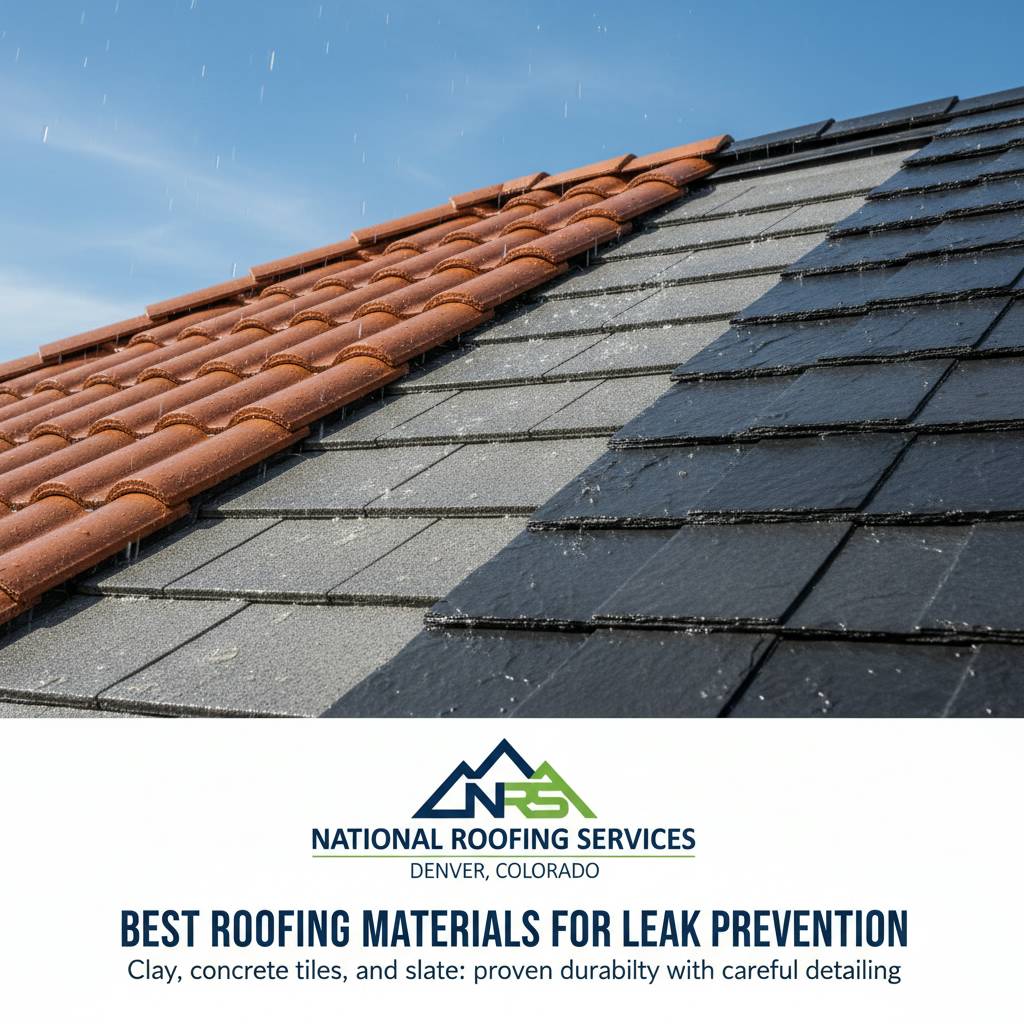 Clay and concrete tiles, along with natural slate, represent premium choices for long-term durability. These materials are inherently resistant to water because individual units are dense and non-porous, and their typical overlapping installation patterns shed water effectively. Slate in particular can exceed a century of service when installed and maintained properly.
Tile and slate roofs require more structural support due to their weight and demand precise flashing and underlayment systems to prevent leaks at valleys and penetrations. Failure is often not the tiles themselves but the underlayment and flashing-so professional installation and periodic underlayment replacement in older systems are critical to long-term leak prevention.
- Advantages: Exceptional lifespan, fire resistance, and aesthetic appeal.
- Challenges: Higher upfront cost, heavier weight, and the need for specialized repair skills.
Comparing performance, maintenance, and cost
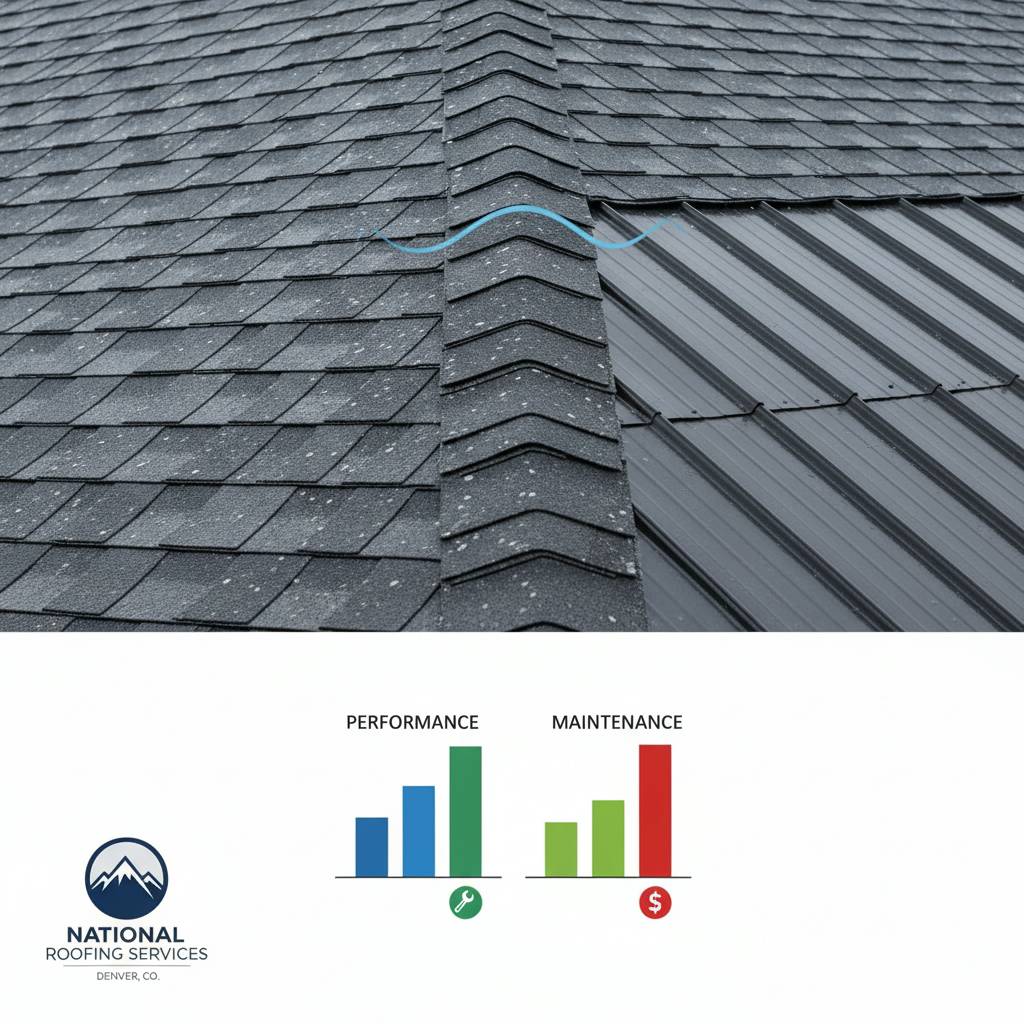 To choose among materials, consider a balanced view of upfront cost, expected lifespan, maintenance frequency, and how each material performs specifically for leak prevention. Materials with long lifespans often require less frequent replacement but may need specialized inspection and patching to preserve their leak-resistant properties.
| Material | Leak Resistance | Typical Lifespan | Maintenance Needs | Relative Cost |
|---|---|---|---|---|
| Asphalt Shingles | Good when installed with quality underlayment | 2030 years | Moderate-replace shingles, flashings | LowMedium |
| Metal (Standing Seam) | Very good-continuous panels and hidden fasteners | 4070 years | Low-inspect fasteners and sealants | MediumHigh |
| Clay/Concrete Tile | Excellent-dense tiles but dependent on underlayment | 50 years | Medium-inspect underlayment and flashings | High |
| Slate | Outstanding-very low permeability | 75100 years | Low to Medium-specialized repairs | Very High |
In many cases, a material's leak performance is less about the tiles or panels themselves and more about the underlayment and details at vulnerable areas. For example, a tile roof with old or failed underlayment can leak more than a newer asphalt roof with contemporary synthetic underlayment and premium flashing.
Installation, inspection, and maintenance practices that prevent leaks
 Even the best roofing material will fail prematurely if installation shortcuts are taken. Prioritize contractors who follow manufacturer installation guidelines, use appropriate fasteners, and detail complex areas such as valleys, chimneys, and skylights carefully. A high-quality installer will also recommend upgrades that materially reduce leak risk, such as ice-and-water shields, breathable synthetic underlayments, and durable metal flashings.
Routine inspections are a cost-effective defense against leaks. Conduct visual checks at least twice a year and after severe storms. Look for lifted or missing shingles, corrored fasteners on metal roofs, cracked tiles, and compromised flashing. Early intervention-replacing a few shingles or sealing flashing-prevents small issues from becoming expensive leaks and structural damage.
Practical inspection checklist
- Check attic for water stains and daylight through roof boards.
- Inspect eaves, valleys, and penetrations for sealant gaps or rust.
- Clear debris from valleys and gutters to ensure continuous drainage.
- Trim overhanging branches that can abrade or puncture roofing materials.
Choosing the right material for your home
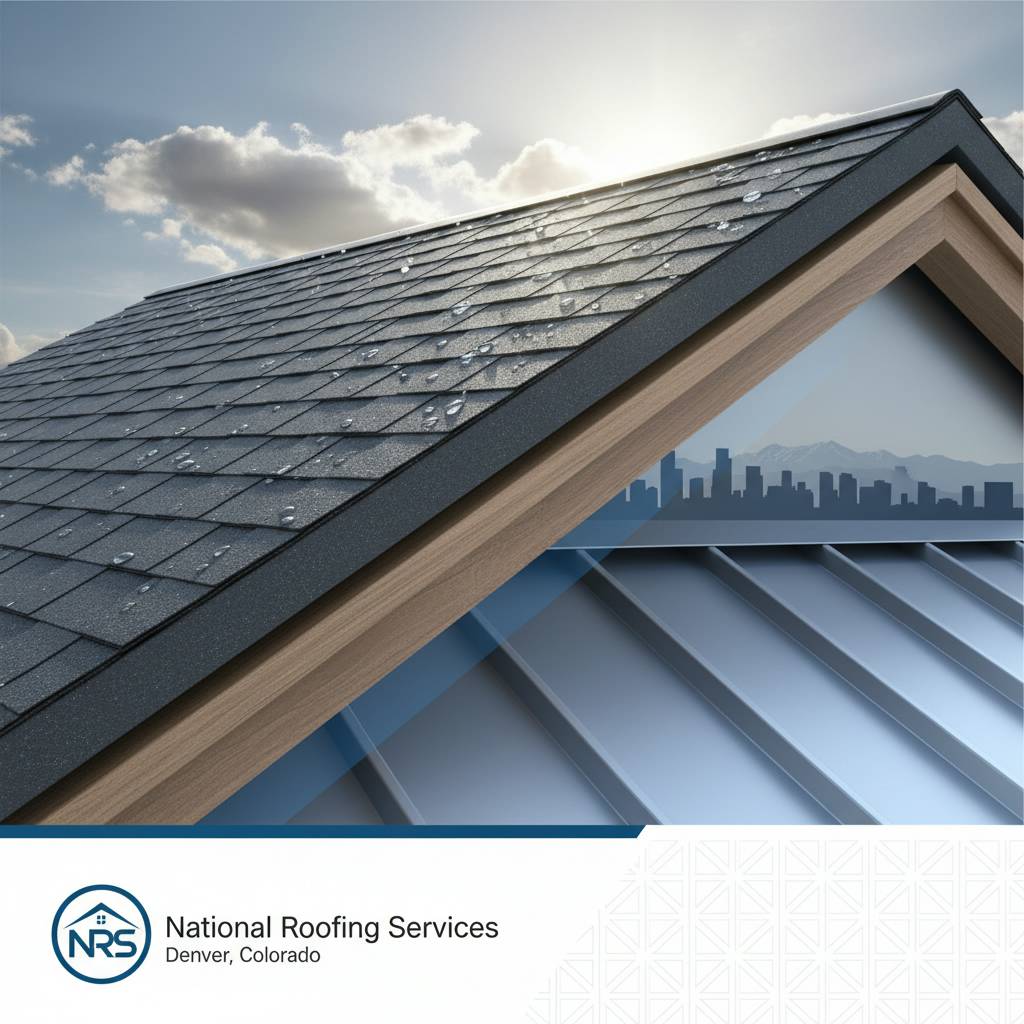 Selecting the best roofing materials for leak prevention starts with understanding your climate, roof pitch, budget, and how long you plan to live in the home. If you want the lowest long-term risk and are willing to invest upfront, standing seam metal or natural slate combine exceptional leak resistance with long service lives. For budget-conscious projects, high-quality architectural asphalt shingles installed with modern underlayment systems provide strong protection at a lower cost.
Consider also the local contractor pool: choose materials that experienced installers in your area are comfortable working with. A perfect material installed poorly will perform worse than a less ideal material installed correctly. If you'd like a personalized evaluation, NRS at National Roofing Services can help prioritize choices based on your roof geometry and regional weather patterns.
Quick decision tips:
- For high rainfall and ice-dam risk: prioritize underlayment and ice-and-water shield, and prefer materials with strong water-shedding properties.
- For hot, sunny climates: pick UV-stable materials and high-reflectance options to reduce thermal cycling damage.
- For longevity with low maintenance: invest in metal, tile, or slate and ensure professional flashing details.
If you're weighing options and need a professional inspection before committing, National Roofing Services can provide a thorough roof assessment and material recommendation tailored to your home. Call 303-555-7788 for an evaluation or to schedule a consultation.
Final recommendations and next steps
In summary, the best roofing materials for leak prevention balance intrinsic material properties with careful detailing and ongoing maintenance. Metal and slate offer the strongest intrinsic resistance to leaks, while properly installed asphalt can be an effective and economical choice. Tile provides a durable middle ground but demands attention to underlayment and structural support.
When budgeting, consider lifecycle costs rather than only the initial expense: longer-lasting materials often lower total cost and disruption over decades. Always use reputable installers, insist on high-quality underlayment and flashing, and schedule periodic inspections to protect your investment.
Call-to-action: For guidance specific to your roof, contact National Roofing Services today. Our specialists will assess your property, explain realistic trade-offs, and recommend the solution most likely to reduce future leak risk.
Schedule a consultation by calling 303-555-7788 or requesting an on-site evaluation. A short inspection can reveal whether a targeted repair, underlayment upgrade, or full replacement is the best path to long-term leak prevention.
Thank you for reading-if you're ready to minimize future roof leaks and maximize longevity, contact National Roofing Services at 303-555-7788 for expert advice and reliable service.