Choose A Roof Repair Contractor
This resource helps homeowners choose a roof repair contractor with confidence. It outlines vetting steps and red flags to watch for. Call National Roofing Services at 303-555-7788 to speak with a licensed contractor today. We prioritize quality and transparency.
Deciding who will repair your roof is one of the most important choices a homeowner can make. A well-chosen contractor protects your investment, preserves your home's value, and prevents future expense and stress. National Roofing Services created this guide to help you choose a roof repair contractor with confidence by describing practical vetting steps, identifying common red flags, and explaining what to expect from a professional relationship.
Start with a Clear Scope and Realistic Expectations
Before you begin soliciting bids, define what you need. Are you dealing with a small leak, wind damage to shingles, or storm-related structural concerns? Document visible damage with photos and notes about when problems were first noticed. Clear documentation helps contractors give accurate estimates and reduces misunderstandings later.
Understanding the typical lifespan of materials and common repair options will keep expectations realistic. Ask contractors whether a repair or a partial/full replacement is the most cost-effective solution for long-term performance. A trustworthy professional will explain trade-offs, expected timelines, and any follow-up maintenance recommendations.
Where to Find Qualified Candidates
 Start locally and prioritize contractors who are active in your community. Local businesses tend to know municipal codes, neighborhood associations, and typical weather challenges in your area. Good sources include recommendations from neighbors, roofing supply stores, neighborhood social groups, and independent online reviews that include dates and photos.
When searching online, use specific search terms like "choose a roof repair contractor" along with your town or ZIP code. Look beyond star ratings: read several recent reviews and look for consistent themes about communication, cleanup, and how warranty issues were handled. If a contractor is accredited by recognized industry bodies, that is a positive signal but not a substitute for direct references.
Vet Credentials, Insurance, and Licensing
Licensing and Regulatory Compliance
Verify that each candidate holds any required state or local contractor licenses. Licensing indicates a basic level of professional and legal compliance and often requires proof of training or experience. Ask for the license number and confirm it on your state licensing board's website. If a contractor claims a license but cannot provide verification, treat that as a serious concern.
Insurance and Liability Coverage
Insurance protects both you and the contractor if something goes wrong. Request a copy of the contractor's general liability insurance certificate and confirm it is current. For projects that involve crew or subcontractors on ladders and roofs, ask for proof of worker's compensation coverage. Do not accept verbal assurances-get documentation and, when in doubt, call the insurance provider to confirm coverage and policy limits.
Permits and Code Knowledge
Many repairs require permits. Ask whether the contractor will pull permits on your behalf and who will handle interactions with local building departments. Seasoned contractors understand local code updates and can advise on required inspections. If a candidate advises skipping permits, consider that a major red flag.
Check Experience, References, and Work Quality
 Experience matters, but depth is more important than years alone. Look for contractors who demonstrate specific experience with your roof type-sloped vs. flat, asphalt shingles vs. metal, or specialized materials like cedar shake or slate. Ask for examples of similar projects and, if possible, speak to at least two recent homeowners for references.
When you contact references, ask targeted questions: Was the contractor punctual? Did the team communicate delays and unexpected problems? Was the site left clean? Did any issues arise after the job, and if so, how were they resolved? A reliable contractor will gladly share references and should not hesitate to provide before-and-after photos.
Understand Bids, Contracts, and Pricing
 Obtain written bids from at least three contractors so you can compare apples to apples. A professional estimate should include a clear breakdown of labor, materials, permits, disposal fees, and any temporary protections (such as tarping or tarps for the yard). Vague or overly low bids can lead to costly change orders or subpar materials.
Look for the following in every contract: a detailed description of work, start and completion dates, payment schedule, warranty terms, and cleanup responsibilities. Avoid contractors who insist on large upfront payments-standard practice is typically a modest deposit with progressive payments tied to milestones, though exact norms can vary by state.
| Contract Item | What to Expect |
|---|---|
| Scope of Work | Detailed description of repairs, materials, and cleanup |
| Timeline | Start date, expected duration, allowances for weather |
| Payment Schedule | Deposit amount, milestone payments, final payment upon satisfaction |
| Warranties | Material and workmanship warranties, claim process outlined |
| Permits | Who obtains permits and responsibility for inspections |
Common Red Flags to Watch For
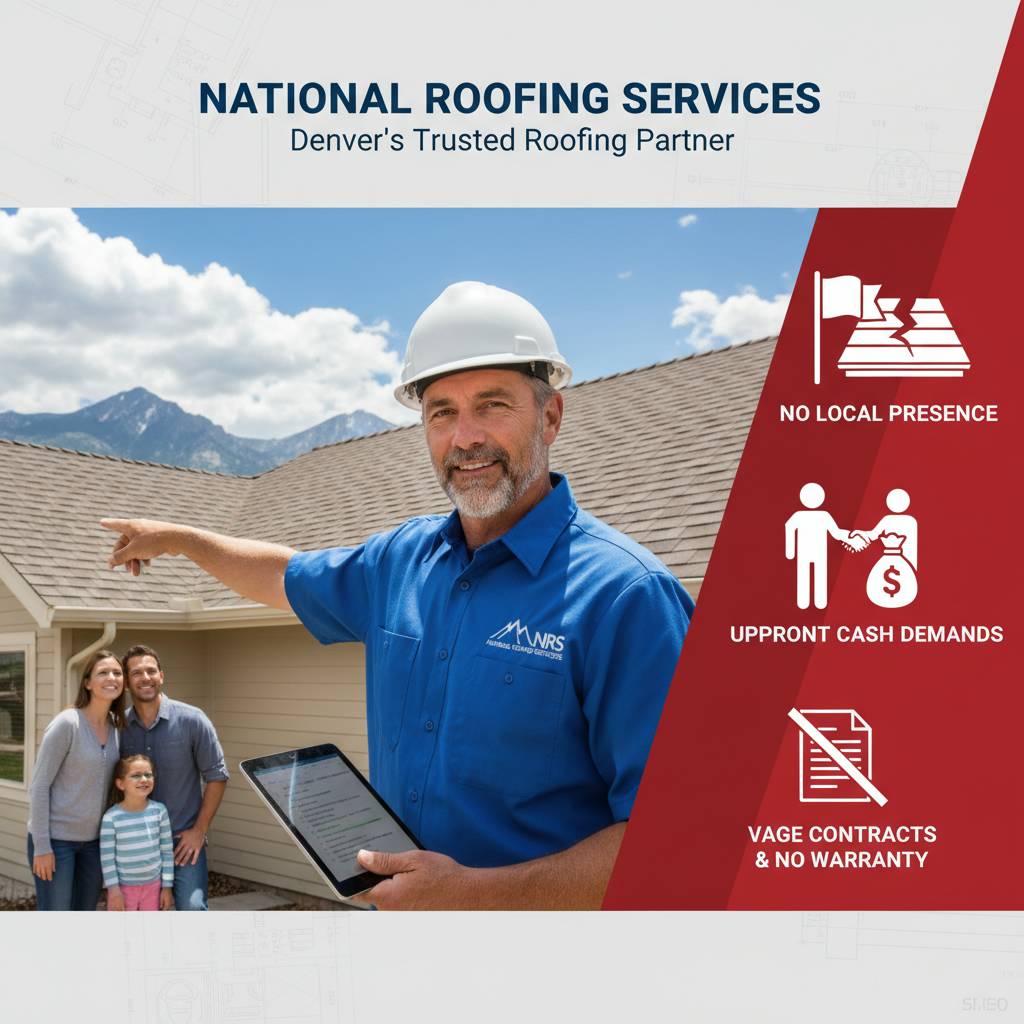 Certain behaviors or claims should raise immediate concern. Beware of contractors who: pressure you to sign a contract immediately, demand unusually large upfront payments, refuse to provide a written contract, or lack verifiable references. Scammers sometimes offer unusually low prices and ask for cash-only payments to avoid traceable records.
- Unclear licensing or inability to produce insurance certificates
- High-pressure sales tactics and time-limited discounts
- Requests for payment in full before work begins
- Blank contract fields or refusal to include details in writing
- Significant number of recent negative reviews focused on warranty or cleanup issues
Also watch for subcontracting confusion. It's acceptable for a contractor to use subcontractors, but responsibility and communication should remain with the primary contractor. Ensure subcontractor names, licenses, and insurance are documented in the contract.
Evaluating Materials, Warranties, and Long-Term Value
 The lowest bid isn't always the best value. A quality repair uses appropriate materials with manufacturer warranties and follows accepted installation practices. Ask contractors to specify the brand and model of shingles, underlayment, flashing, and fasteners. If a contractor cannot name products or provides generic descriptions, that could indicate lower-quality materials will be used.
Understand the difference between manufacturer warranties and workmanship warranties. Manufacturer warranties cover material defects, while workmanship warranties cover installation errors and are provided by the contractor. Ask how warranty claims are handled and request written warranty terms in your contract. Prefer contractors who offer at least a year of workmanship warranty and clear procedures for follow-up service.
Onsite Behavior, Safety, and Communication
A professional contractor's team demonstrates respect for your property and clear communication. They should arrive on time, wear identifiable uniforms or badges, and use protective measures to guard landscaping, gutters, and siding. Observe their cleanup practices: a thorough crew will collect debris and conduct a final walkthrough with you to verify that all work meets expectations.
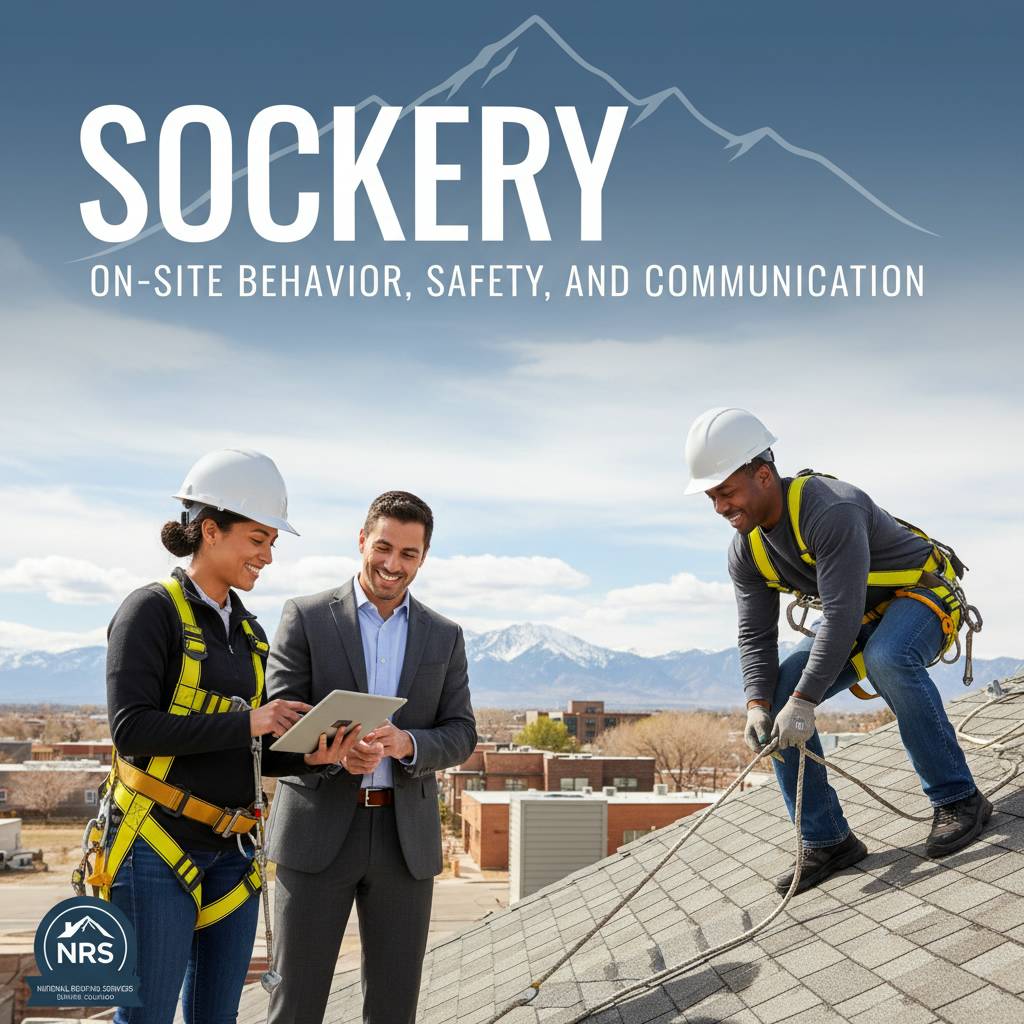
Safety protocols are non-negotiable. Confirm that the crew uses fall protection, ladder safety, and jobsite hazard controls. Contractors who minimize safety are taking unacceptable risks with worker welfare and your liability. A professional company will also be willing to coordinate deliveries and work hours to minimize disruption to your household.
Negotiation Tips and Making the Final Choice
 When comparing final bids, weigh long-term value over short-term savings. Use your checklist of required items from each bid to compare line-by-line. If a bid is significantly higher, ask the contractor to explain the cost drivers; differences often stem from material quality, crew size, or inclusion of permit and disposal fees. Conversely, if one bid is extremely low, determine whether corners are being cut.
Negotiate respectfully. Ask for small concessions such as a longer workmanship warranty, inclusion of certain materials at no extra charge, or clarified payment milestones. A reputable contractor will be willing to discuss terms and arrive at a mutually acceptable agreement while preserving the integrity of the work plan.
Sample Decision Checklist
- Verified license and insurance
- Clear written contract with detailed scope
- References and similar project experience
- Manufacturer and workmanship warranties documented
- Reasonable payment schedule and permit handling
Working Through the Project and Aftercare
Once you select a contractor, establish a single point of contact for updates and an expectation for routine check-ins. Agree on start and completion dates and how weather delays will be communicated. A short pre-construction meeting on-site helps align expectations about staging areas, storage of materials, parking, and protection of plants or hardscape.

Perform a final walkthrough with the contractor and request a written punch list for any outstanding items. Keep a file with the contract, permits, material invoices, and warranty documents. If warranty issues arise, contact the contractor promptly and document communication. A responsive contractor will address concerns and schedule repairs within a reasonable time frame.
Common Questions Homeowners Ask
How much should I expect to pay for a roof repair?
Costs vary widely depending on the type and extent of damage, materials, and labor rates in your area. Minor leak repairs can be affordable, while replacing an extensive section or entire roof increases cost accordingly. Getting multiple bids and a detailed cost breakdown helps you understand price drivers and avoid unpleasant surprises.
Is a stopgap repair ever acceptable?
Temporary fixes can be appropriate to prevent immediate water intrusion, especially before severe weather. However, temporary measures should not replace a proper repair. Discuss long-term options with your contractor so temporary work is clearly labeled and scheduled for full replacement or comprehensive repair as soon as feasible.
What should I do if a contractor's work causes additional damage?
Report the damage to the contractor immediately and document the issue with photos. If the contractor is unresponsive, use your contract and warranties to escalate the claim. If needed, contact your homeowner's insurance and local consumer protection agency for guidance. Keeping a calm, documented record usually facilitates resolution faster than adversarial approaches.
Final Advice and Next Steps
Choosing a roof repair contractor is a balanced process of research, verification, and clear communication. Prioritize contractors who communicate transparently, provide documented proof of licensing and insurance, and offer well-defined contracts with warranties. Use the decision checklist above when comparing bids and trust your instincts-if something feels off, take the time to verify or consider another candidate.

National Roofing Services is committed to helping homeowners navigate these decisions with confidence. If you'd like a professional assessment or a clear, written estimate, our team is available to answer questions and provide guidance tailored to your property.
Call National Roofing Services at 303-555-7788 to speak with a licensed contractor today.
To discuss specifics, arrange a site visit, or get a detailed estimate, contact National Roofing Services. Our approach emphasizes quality workmanship, transparent pricing, and long-term value-so you can move forward with confidence and protect your home.