Compare Asphalt Shingle Repair Versus Full Replacement Cost
Comparing asphalt shingle repair versus full replacement cost helps you choose the best path. National Roofing Services presents side by side analysis and long term cost considerations. Contact 303-555-7788 to review options tailored to your roof condition. Informed comparison helps balance budget and longevity.
Choosing whether to repair or replace an asphalt shingle roof is one of the most impactful decisions a homeowner can make for both immediate expenses and long-term value. This guide walks you through the practical cost differences, performance expectations, maintenance implications, and risk factors so you can make a confident choice tailored to your home and budget. National Roofing Services combines field experience with clear cost modeling to help you weigh options rationally.
When repair is the right choice: signs, scope, and realistic expectations
Repair often makes sense when damage is localized, when shingles are relatively new, or when the roof has remaining useful life and a warranty that still applies. Typical repair scenarios include single-area storm damage, isolated leaks around penetrations, or a handful of missing shingles. A properly scoped repair restores function quickly and at a fraction of replacement cost while buying time to plan for eventual full replacement.
Before committing to repair, have a qualified roofing professional evaluate underlying decking, flashing, and ventilation. Superficial signs like curled or missing shingles can hide rot or compromised underlayment. If inspections reveal localized damage without structural compromise, repair can be both economical and effective. However, make sure repair work includes addressing root causes-such as poor flashing or inadequate attic ventilation-to avoid repeating the problem.
Limits of repair: when patching becomes a false economy
Repair may be a false economy if the roof is near the end of its rated lifespan, if multiple patches have been done previously, or if underlying systems (underlayment, flashing, sheathing) are degraded. In these cases, persistent issues and increasing maintenance costs can quickly exceed the upfront cost of a replacement. An honest inspection will indicate whether repair will truly extend useful life or merely postpone an inevitable higher expense.
Cost breakdown: compare asphalt shingle repair versus full replacement cost
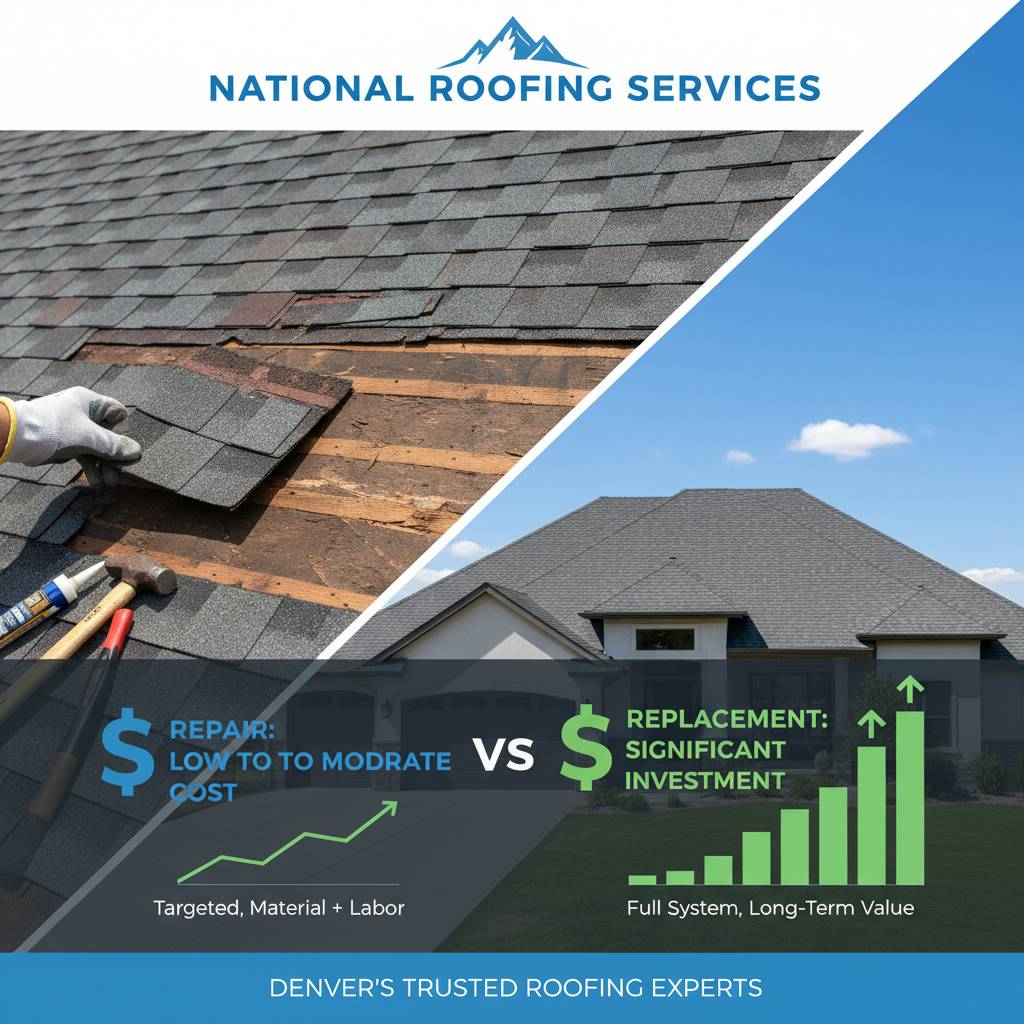 To compare asphalt shingle repair versus full replacement cost, you need clear categories: materials, labor, disposal, permitting, and ancillary repairs (flashing, vents, drip edge). Repairs typically involve replacing a limited number of shingles, fixing flashing, and sealing penetrations. Replacement requires removal of existing shingles, inspection and possible replacement of decking, new underlayment and drip edge, and installation of a full new shingle system. Each step has cost implications that aggregate differently depending on scale.
Typical cost ranges vary regionally, but generally you can expect a repair to cost between a few hundred to a few thousand dollars depending on the work needed. A full asphalt shingle replacement most often runs several thousand to tens of thousands, depending on roof size, complexity, and shingle quality. The gap between repair and replacement includes not just direct labor and materials but also disposal and potential structural repairs discovered during replacement.
| Item | Typical Repair | Full Replacement |
|---|---|---|
| Scope | Localized shingles, flashing, resealing | Entire roof system: shingles, underlayment, flashing, drip edge |
| Materials | Small bundles of shingles, caulk, flashing | Full shingle bundles, underlayment, nails, ridge caps |
| Labor | Few hours to a couple of days | Days to weeks depending on size and complexity |
| Average cost range | $200$3,500 (varies by scope) | $5,000$25,000 (depending on size and materials) |
| Expected lifespan added | 110 years depending on remaining roof condition | 1530 years (depending on shingle type and installation) |
When you compare asphalt shingle repair versus full replacement cost, consider the lifetime cost per year of service gained. A repair that costs $1,000 and extends the roof life by five years results in $200 per year, while a $12,000 replacement that lasts 20 years equates to $600 per year. These simple calculations help illustrate the trade-off between short-term savings and long-term value, but they must be adjusted for risk tolerance, resale plans, and expected future maintenance.
Long-term cost considerations: durability, warranty, and resale value
A full replacement typically restores warranty coverage and can materially increase resale value and curb appeal. New shingles, correct installation of underlayment, and updated ventilation reduce the likelihood of leaks and hidden damage in the near future. Warranties from manufacturers and workmanship guarantees from reputable contractors provide additional financial protection that repairs rarely match. Those protections factor into the long-term cost calculus.
Durability is another key consideration. Replacing the roof with higher-grade shingles or upgraded underlayment can improve resistance to wind, algae, and UV degradation. While the upfront cost rises for premium materials, the longer lifespan and reduced maintenance can lower lifetime ownership cost. Conversely, repeated repairs on an aging roof lead to mounting maintenance bills, potential interior damage, and unpleasant surprises when selling a home.
Think in terms of total cost of ownership. Ask for a clear warranty on all replacement work and verify whether repairs affect existing warranties. If you plan to sell in the short-term, weigh whether a new roof will offer a return on investment in your local market versus the cost you would incur in recurring repairs while you remain in the home.
Decision framework: inspection checklist and financial planning
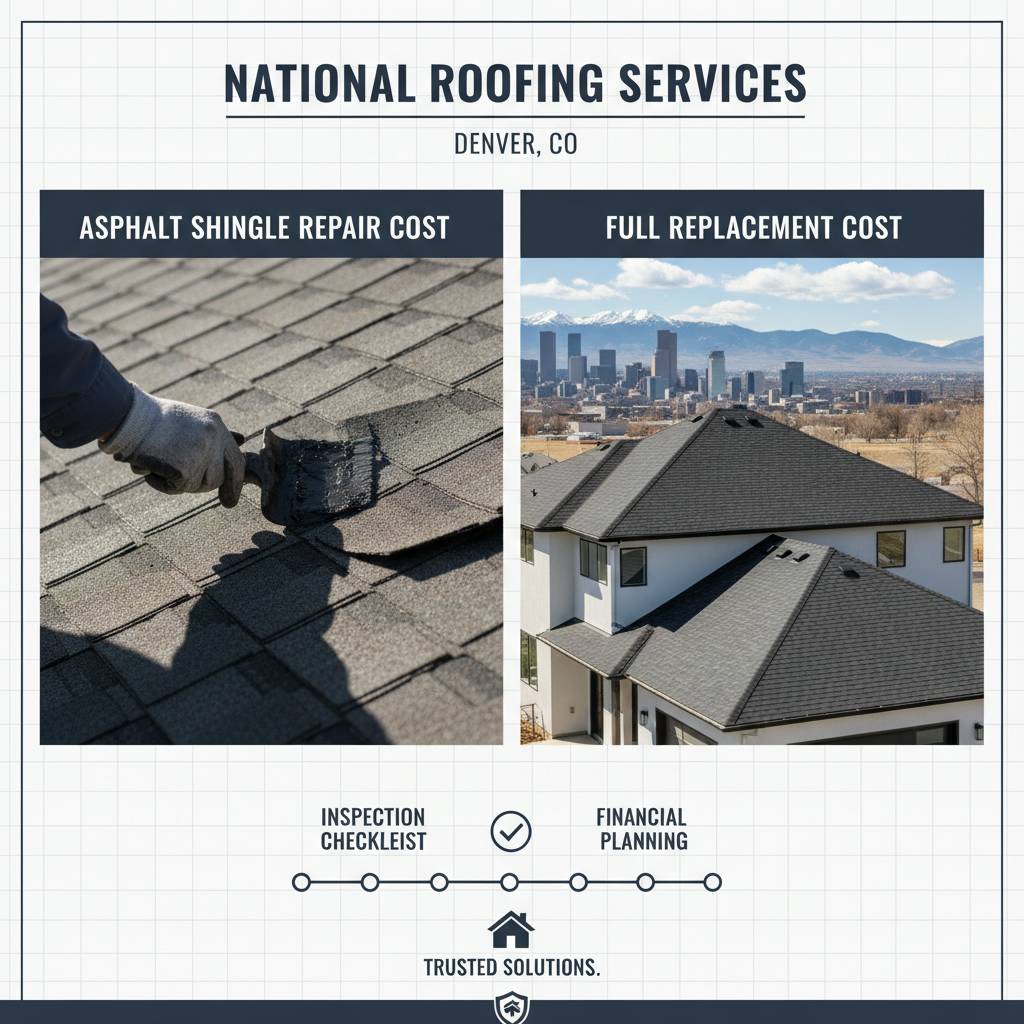 Start with a methodical inspection: assess shingle age, number of missing or damaged shingles, condition of flashing and vents, signs of decking rot, attic ventilation, and evidence of previous repairs. Photographs, a written report, and an itemized estimate will make it easier to compare options from multiple contractors. This diagnostic stage is essential to accurately compare asphalt shingle repair versus full replacement cost because hidden damage drives cost escalation.
Use a practical checklist to prioritize tasks and estimate future needs. If your roof is under 10 years old with minimal damage, repair could be the rational choice. If over 15 years and showing widespread deterioration, replacement will likely be more economical over the long run. Consider also your financial plan: emergency funds for repairs versus financing options for replacement are factors that influence timing and scope of work.
- Inspect attic for water stains and mold (signs of active leaks).
- Count missing or damaged shingles and note distribution (localized vs. widespread).
- Check flashing around chimneys, skylights, and plumbing stacks.
- Evaluate roof pitch and complexity-steeper, more complex roofs cost more to replace.
- Request itemized written estimates and warranty terms from contractors.
Where possible, obtain at least two estimates that outline both repair and replacement options. A transparent estimate should explain whether a repair will void any remaining manufacturer warranty or whether replacement will be warranted by both manufacturer and contractor. This comparative transparency is often the deciding factor for homeowners who are balancing immediate needs against long-term certainty.
Real-world examples and quick case studies
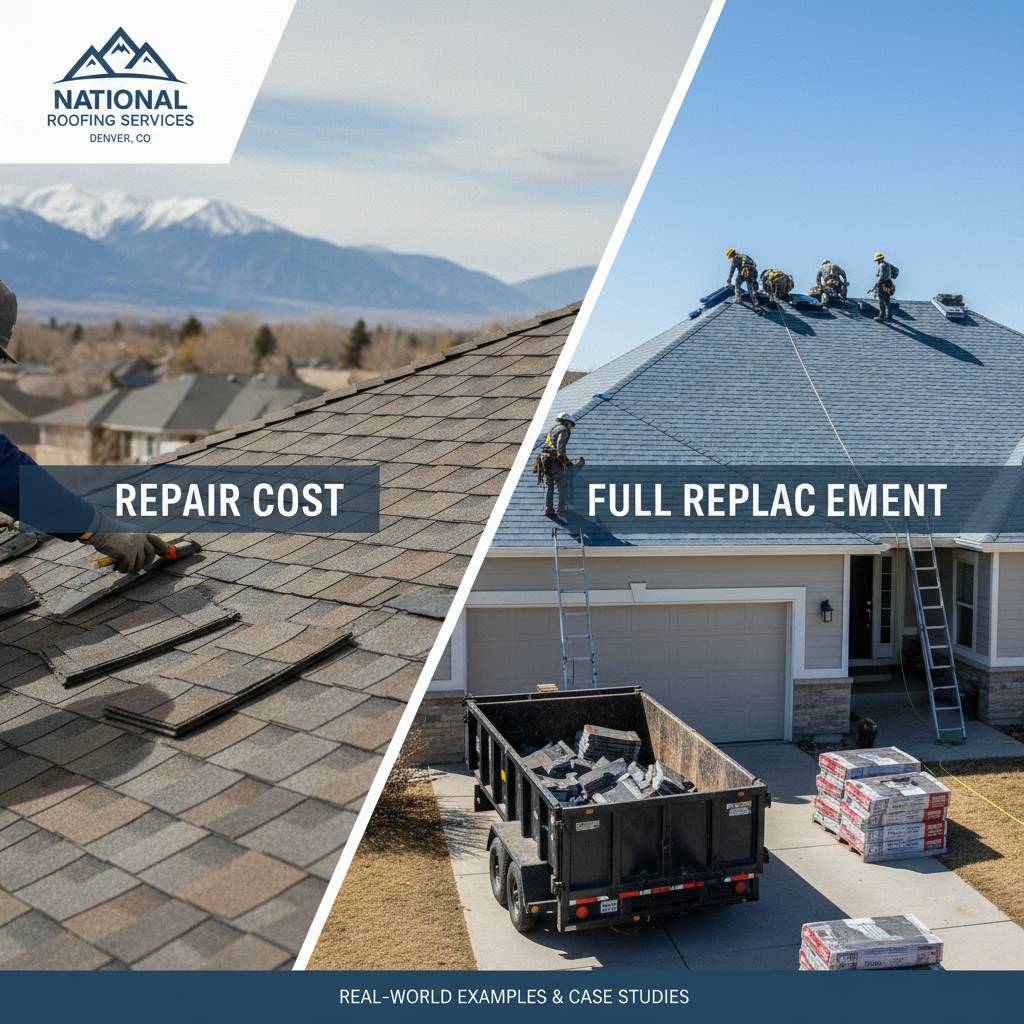 Case 1: A 12-year-old roof with a small area of wind damage above a dormer. Inspection found no decking rot and intact underlayment. The contractor proposed a targeted repair that replaced shingles and flashing in the affected area for under $1,200. The homeowner chose repair, scheduled improved attic ventilation, and avoided the higher cost of replacement while maintaining a solid performance for the remaining shingles.
Case 2: A 22-year-old roof with curling shingles across multiple slopes and intermittent leaks. Multiple prior repairs had been performed. After documenting decking degradation and recurring upstairs water stains, the homeowner elected a full replacement with upgraded underlayment and ridge vents. Although replacement cost $15,500, the solution eliminated repeated service calls, restored warranty coverage, and increased resale marketability.
Case 3: A resale scenario where the homeowner had ten years remaining on the shingles and cosmetic wear. Rather than full replacement, a comprehensive repair package and a seller disclosure were agreed upon with the buyer, balancing closing timelines and inspection contingencies. This hybrid approach preserved cash while addressing buyer concerns-an example of tailoring the decision to specific business objectives.
Frequently asked questions
How do I know whether a repair will be sufficient?
Look for concentrated damage, limited missing shingles, and absence of decking rot or prolonged leaks. A qualified inspection that includes attic analysis and flashing review will indicate whether the issue is repairable or whether broader replacement is advisable. When in doubt, get a second opinion to validate the scope.
Will a repair affect my roof warranty?
Sometimes. Repairs done by authorized installers using manufacturer-approved materials typically preserve warranties. Unpermitted or DIY repairs may void portions of a warranty. Always confirm warranty implications with your contractor and review manufacturer terms before work begins.
Is it cheaper to replace the whole roof if only a few areas are failing?
Not usually-repairs are typically more economical for isolated problems. However, if failure is widespread, if underlayment and decking need replacement, or if the roof is near its expected end of life, a full replacement becomes more cost-effective in the long run. Evaluate expected service years gained from each option to make the right choice.
Next steps and getting expert help
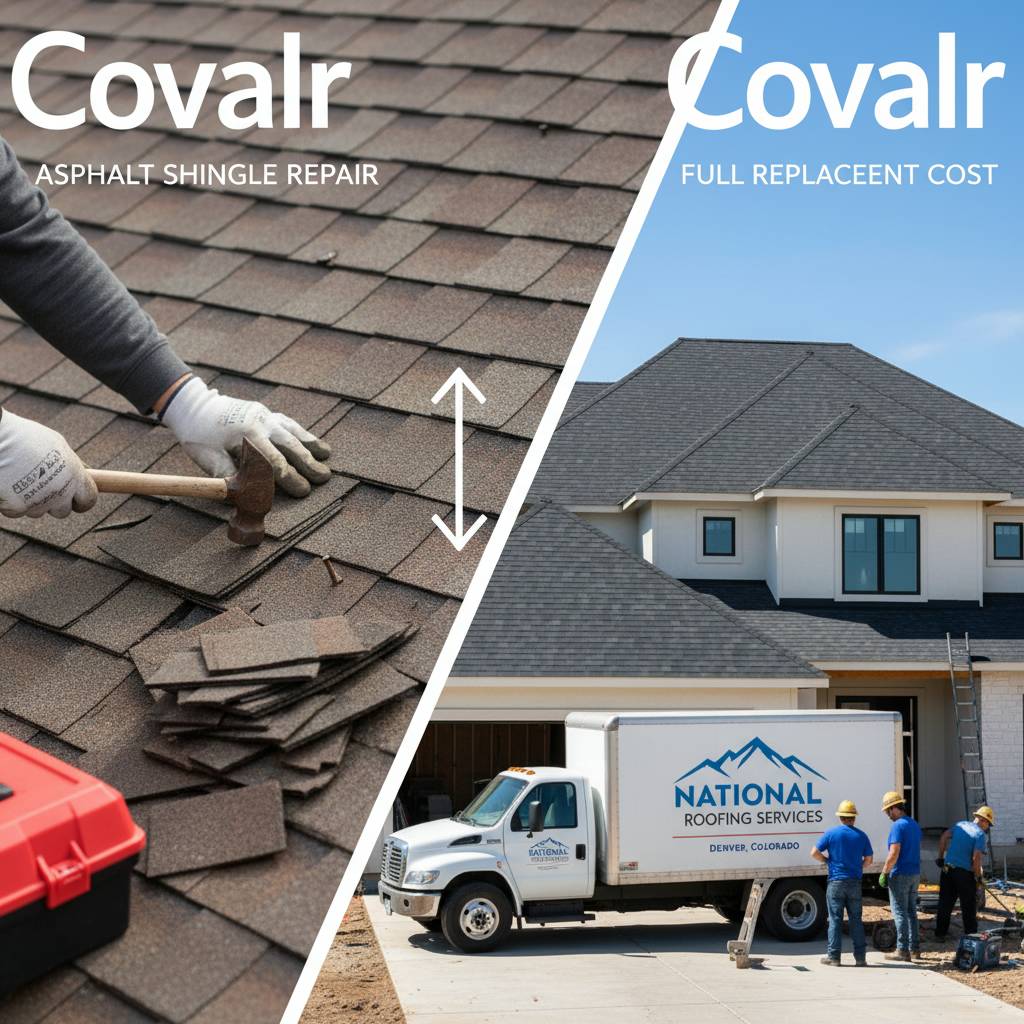 If you want a tailored assessment, National Roofing Services can provide a detailed roof inspection, written findings, and transparent estimates for both repair and full replacement options. We present side-by-side cost comparisons and help you understand the expected lifespan and warranty implications for each approach. Contact us to schedule an on-site review that explains trade-offs in clear, actionable terms.
For a practical first step, gather any existing warranty paperwork, note the age of your roof, and take photos of problem areas. When you call, mention any recent storms, attic moisture, or prior repairs so we can prioritize the inspection. NRS may appear on narrower project quotes as a point of contact when you request follow-up, and we'll respect your preference for communication and scheduling.
Call 303-555-7788 today to book an inspection and compare asphalt shingle repair versus full replacement cost for your home. National Roofing Services will help you choose the option that best balances budget, performance, and long-term value.
We look forward to assisting you and answering any additional questions. Contact National Roofing Services at 303-555-7788 for a no-obligation consultation and clear, professional guidance.