DIY Roof Leak Repair Risks
DIY roof leak repairs can create safety hazards and lead to improper fixes. National Roofing Services cautions homeowners about the risks and recommends professional assessment. Call 303-555-7788 to schedule a safe and lasting repair. Professional work avoids repeat leaks and liability concerns.
When a drip appears in your ceiling, it's natural to want to act quickly. Many homeowners look to the internet for quick fixes and feel empowered to patch a roof themselves. However, the problem is often more complicated than it looks. National Roofing Services encourages a cautious approach: attempting DIY fixes can introduce significant safety hazards and increase the chance of improper repairs that fail under weather stress. If you value safety and a long-term solution, call 303-555-7788 to arrange a professional assessment and repair.
Why DIY roof leak repair risks matter
Understanding the real risks behind DIY roof repair attempts helps explain why professional assessments are so valuable. Working on a roof exposes homeowners to fall hazards, unstable surfaces, and tools they may not use often. Beyond physical danger, an inexperienced patch can trap moisture beneath shingles, degrade the underlying decking, and create hidden mold or structural rot. These are not minor inconveniences; they can quickly become expensive problems that affect both the safety and resale value of your home.
There's also a financial and legal dimension to consider. Improper repairs may void warranties on shingles or roofing systems and can complicate future insurance claims. If a homeowner's DIY work leads to injury-for themselves or others-or to further property damage, liability becomes a real concern. National Roofing Services emphasizes that the right call at the first sign of trouble prevents many of these cascading issues and keeps you protected.
Common mistakes homeowners make when attempting repairs
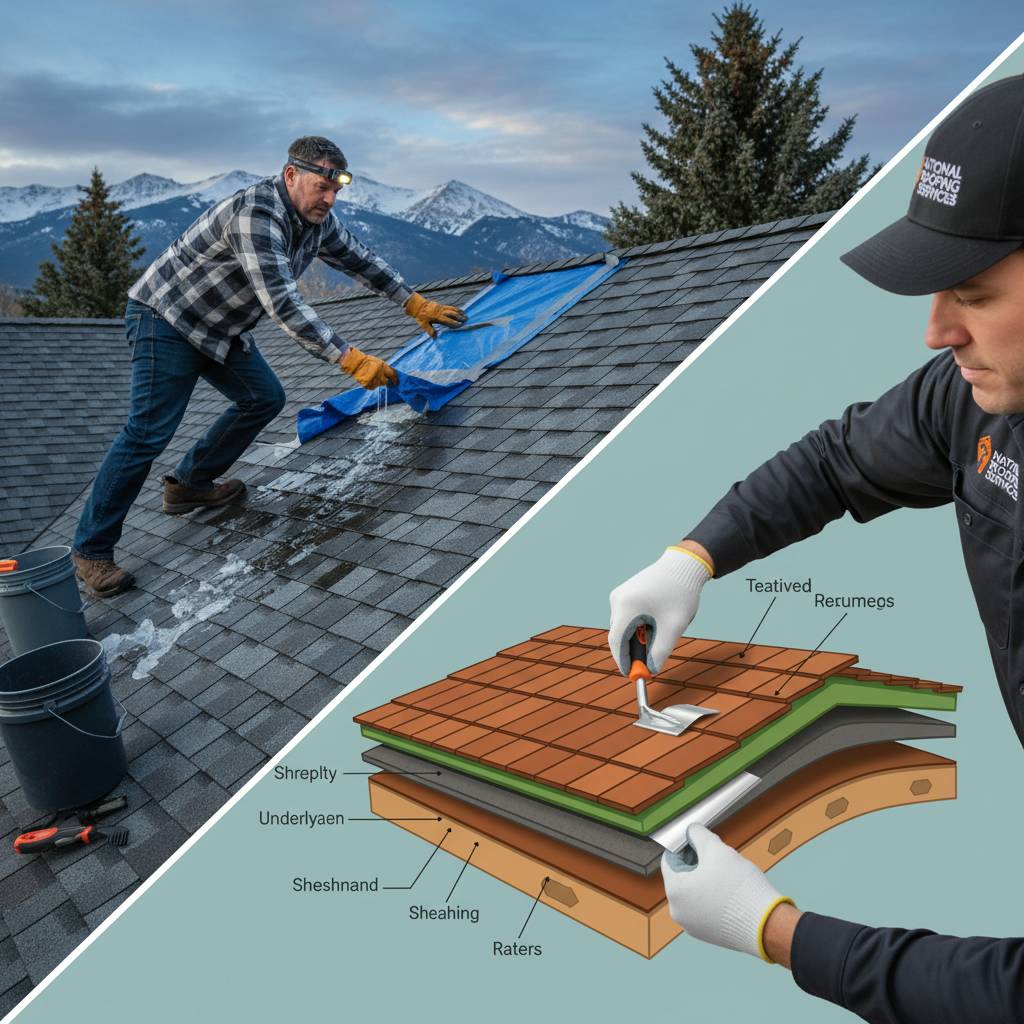 Homeowners trying to fix leaks often follow intuitive but flawed steps. A frequent error is addressing only the visible sign-staining or water dripping-without locating the true source. Roof leaks can travel along rafters or under layers before appearing indoors, so a quick patch over a visible area may do nothing to stop the underlying problem. Others apply sealant or tar in a way that looks secure from the ground but fails under wind, rain, or freeze-thaw cycles.
Another common mistake is improper material selection and installation. Not all shingles, flashing, or underlayment products are interchangeable. A mismatched repair can create a weak point, accelerate wear, or trap moisture. Fastening techniques matter too: under-driven nails, missing underlayment overlap, or improperly seated flashing will compromise a repair. NRS and the team at National Roofing Services see many examples where good intentions turned into recurring leaks because the underlying technique was incorrect.
Identifying the signs that you need a professional assessment
Some leaks are obvious: active dripping, water stains that grow after storms, or sagging ceilings. But professional assessment is warranted even for subtler signs. Dark streaks on siding, damp attic insulation, persistent mold smell, or localized rot at roof edges are all indicators that moisture has been present for some time. These symptoms suggest a repair scope larger than a quick patch and often call for a trained eye to trace the problem to its origin.
If you notice repeated repairs failing within a season, or new leaks appearing after a weather event, it's a strong sign that the issue is systemic. Professionals use tools like infrared cameras and moisture meters to locate hidden wet areas without invasive demolition, saving time and preserving materials. Scheduling an assessment early minimizes further damage and can reduce long-term repair costs.
What a professional assessment and repair typically involve
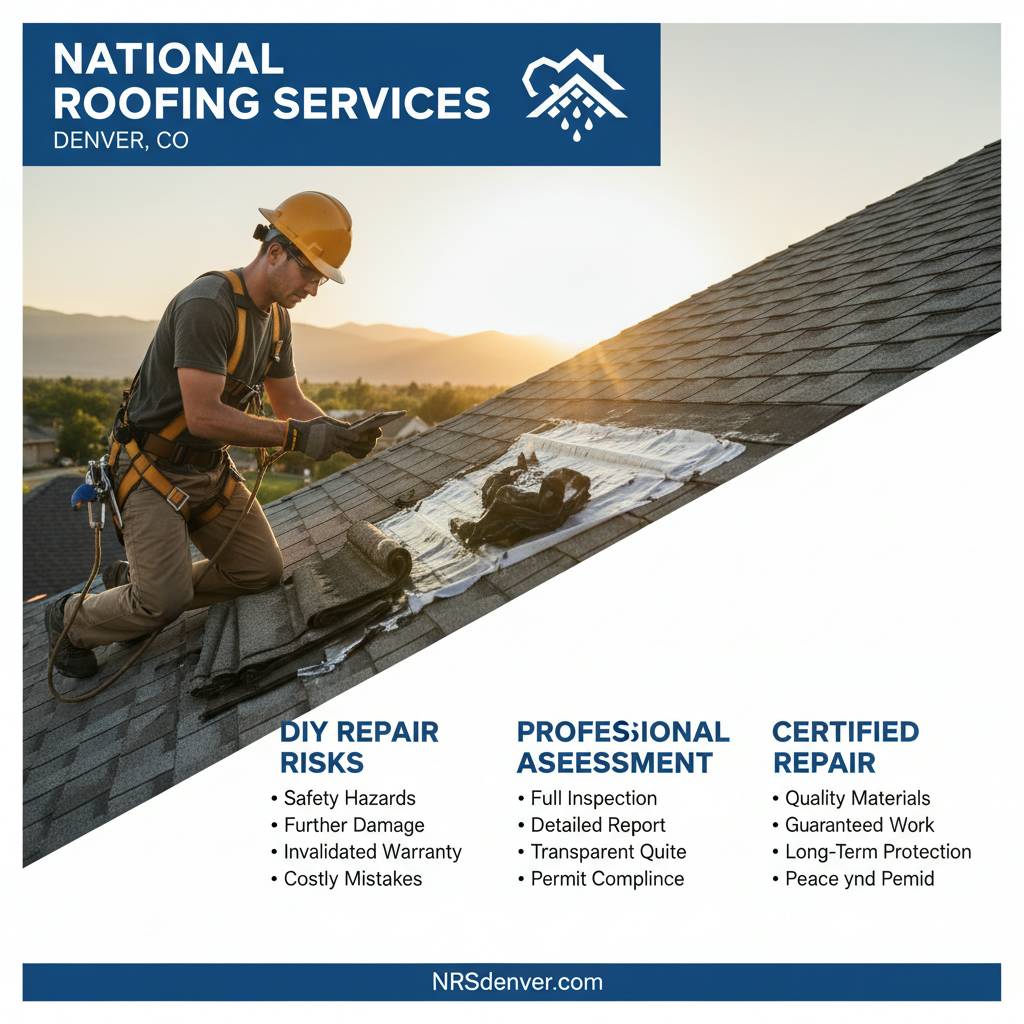 A licensed roofer will start with a visual inspection from the ground and then move to a careful roof-level survey. This includes checking shingles, flashing, vent boots, valleys, and any roof penetrations such as chimneys or skylights. Inside the attic, the inspector evaluates insulation, sheathing, and rafters for signs of moisture, mold, or structural compromise. This comprehensive approach differentiates a professional repair from a quick, surface-only DIY attempt.
When a problem is identified, professionals follow industry-standard repair methods. That could mean replacing damaged shingles, reinstalling or replacing flashing, correcting underlayment overlap, or removing and replacing rotted deck boards. They also document the condition, the repair plan, and recommended follow-ups-information that is helpful for warranty claims or insurance. The goal is a solution that not only stops the current leak but prevents recurrence and preserves the roof's long-term integrity.
Comparing DIY fixes and professional repairs
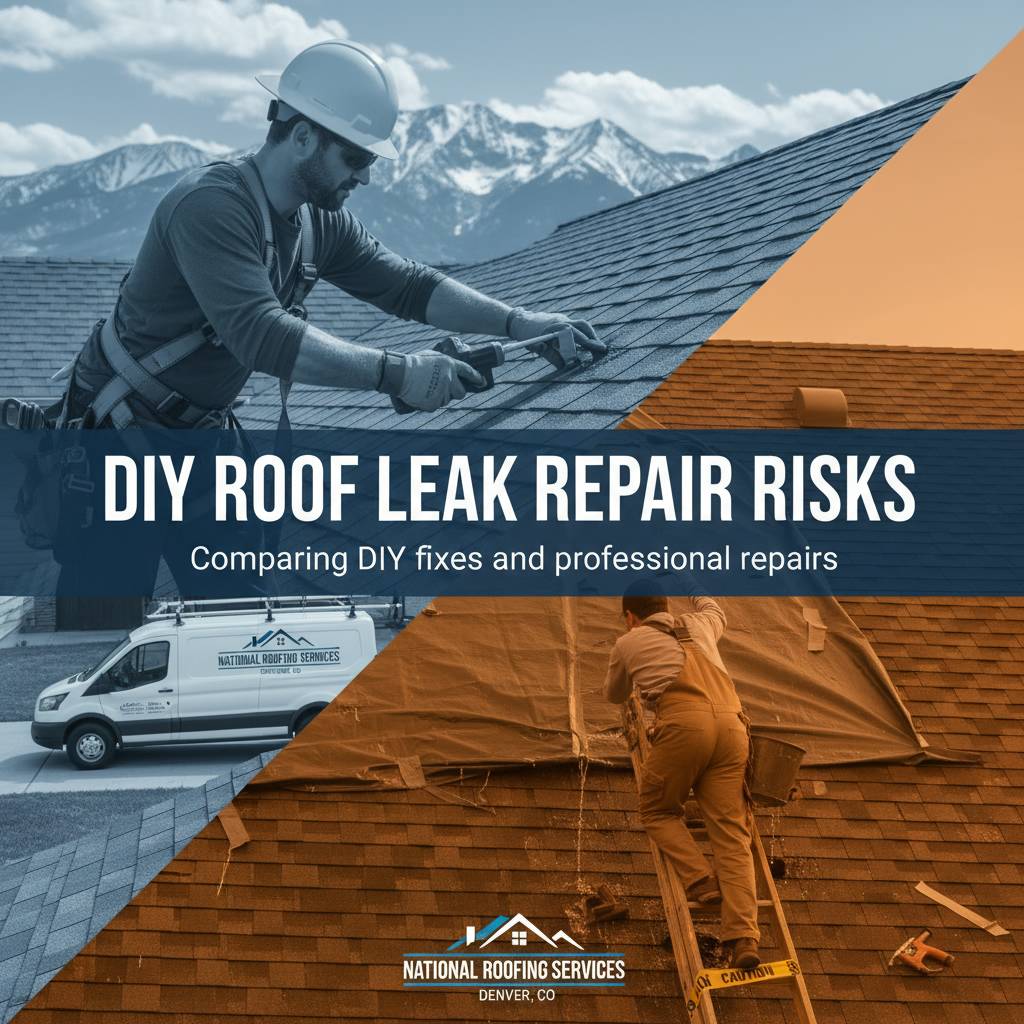 To make an informed decision, it helps to compare the likely outcomes of a DIY attempt versus hiring a qualified roofer. A homeowner-led patch can be quick and appear inexpensive initially, but it often lacks durability, may void warranties, and can leave underlying damage unaddressed. Professional repairs cost more upfront but aim to correct root causes, use compatible materials, and include workmanship guarantees that protect you in the long run.
| DIY Attempt | Professional Repair | |
|---|---|---|
| Initial Cost | Lower outlay for materials | Higher upfront, includes labor and inspection |
| Longevity | Often temporary | Designed for durability and warranty |
| Risk | High risk of injury and improper fix | Lower risk; licensed professionals assume liability |
How National Roofing Services approaches safe, lasting roof repairs
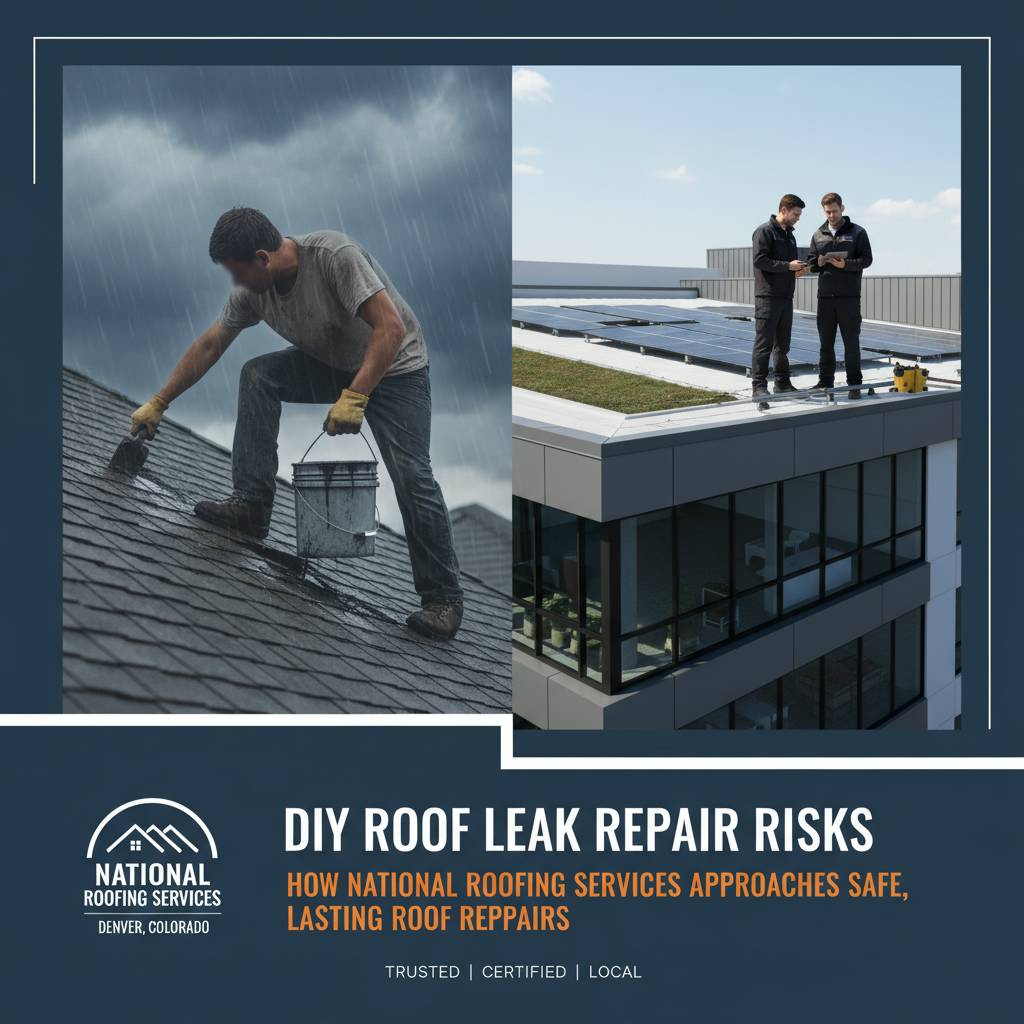 At National Roofing Services, we prioritize safety, thorough diagnosis, and transparent communication. Our teams are trained to work safely at heights, use fall protection, and follow local building codes. That focus on safety reduces liability and ensures the job is done right the first time. When we inspect a leak, we explain the findings and show you what's required for a lasting repair, including an itemized estimate and timeline so there are no surprises.
We also use materials matched to your existing roof system and manufacturer specifications, which helps maintain warranties and overall roof performance. Where applicable, we offer preventative recommendations-like improving attic ventilation or replacing underlayment-to reduce the chance of future leaks. These steps make repairs more cost-effective over time and reduce repeat service calls that frustrate homeowners.
Practical steps homeowners can take before we arrive
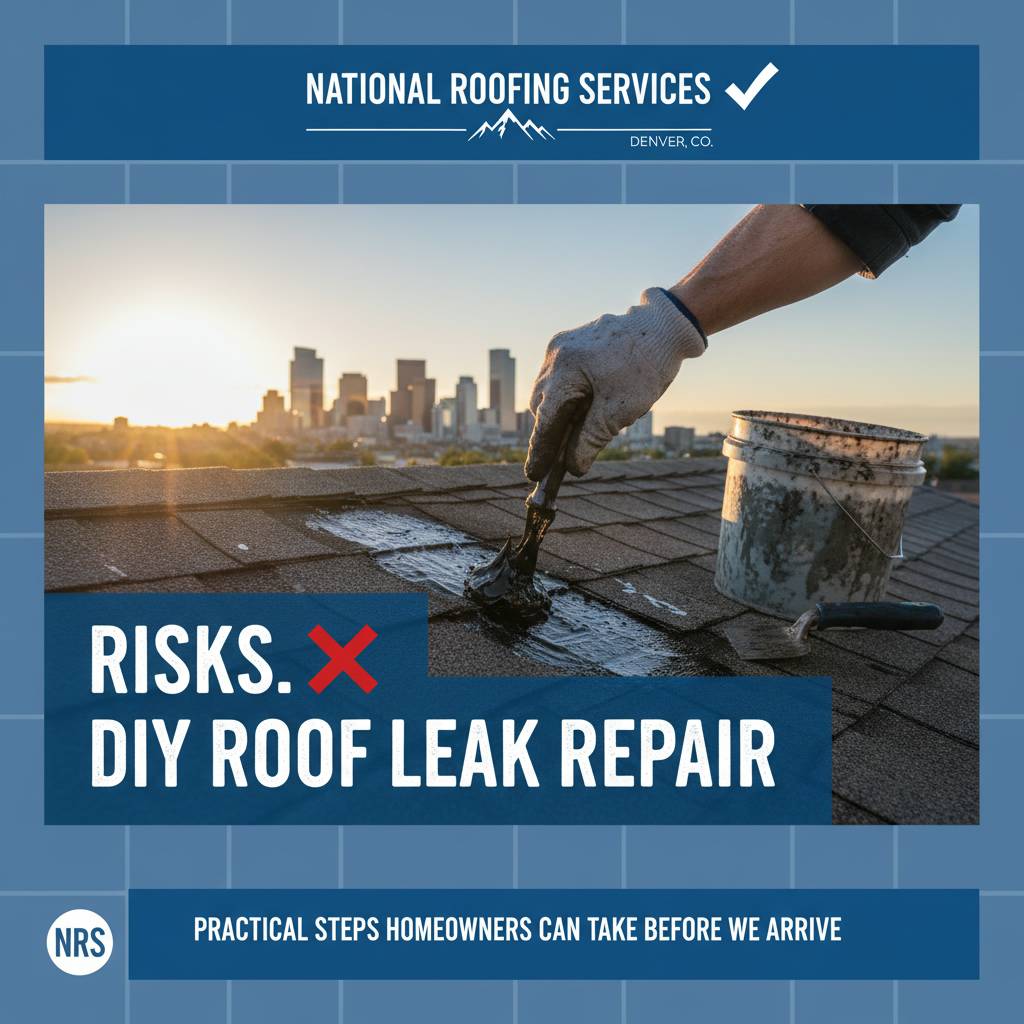 There are a few safe, temporary steps homeowners can take while waiting for a professional visit. Inside the house, place buckets or pans to capture drips and move valuables away from affected areas to prevent water damage. If it's safe to do so, use towels to contain small leaks and consider turning off electricity in water-affected rooms to reduce electrical risks. Avoid climbing onto the roof unless you have proper equipment and experience; falls and ladder incidents are common with DIY attempts.
Documenting damage helps expedite insurance or warranty processes. Take clear photos of stained ceilings, wet insulation, and any visible roof damage from the ground. Note when the leak started and whether it followed a storm, HVAC issue, or plumbing event. This information is useful for the technician who arrives and helps them prioritize corrective actions efficiently.
Cost, insurance, and liability considerations
One reason homeowners attempt DIY repairs is cost concerns, but repairing only the symptom can lead to higher expenses down the line. A professional assessment clarifies whether the work is a simple minor repair or part of a larger problem requiring replacement of shingles or decking. Many insurance policies require documented professional repairs to approve claims related to roof damage, and insurers may deny coverage if a homeowner's DIY attempts made the damage worse.
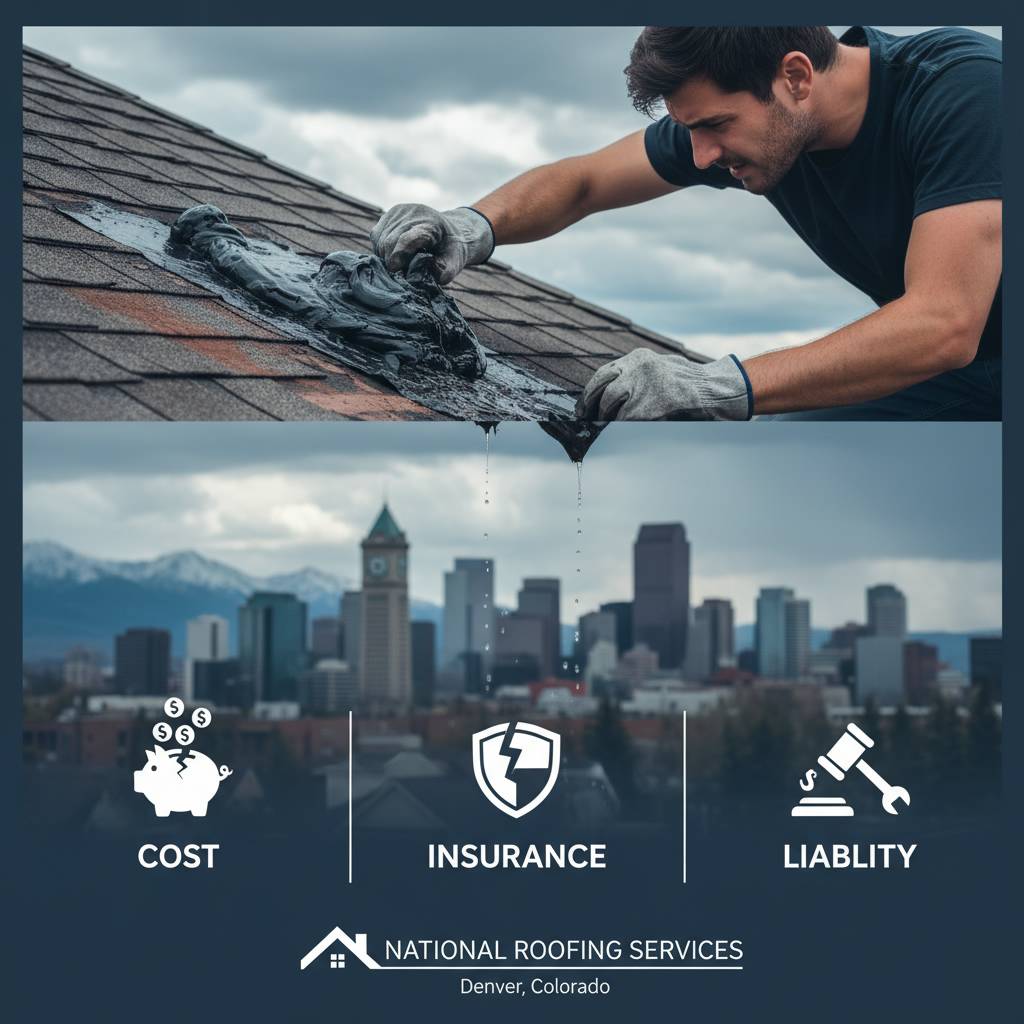
Liability matters too. If an untrained person falls or causes further property damage while working on a roof, homeowners may be responsible for medical or repair bills. Hiring a licensed contractor shifts the responsibility for safety and workmanship to a business that carries insurance and adheres to regulations. National Roofing Services makes sure every job includes the appropriate documentation and warranties to protect you and your home.
Frequently asked questions about roof leak repairs
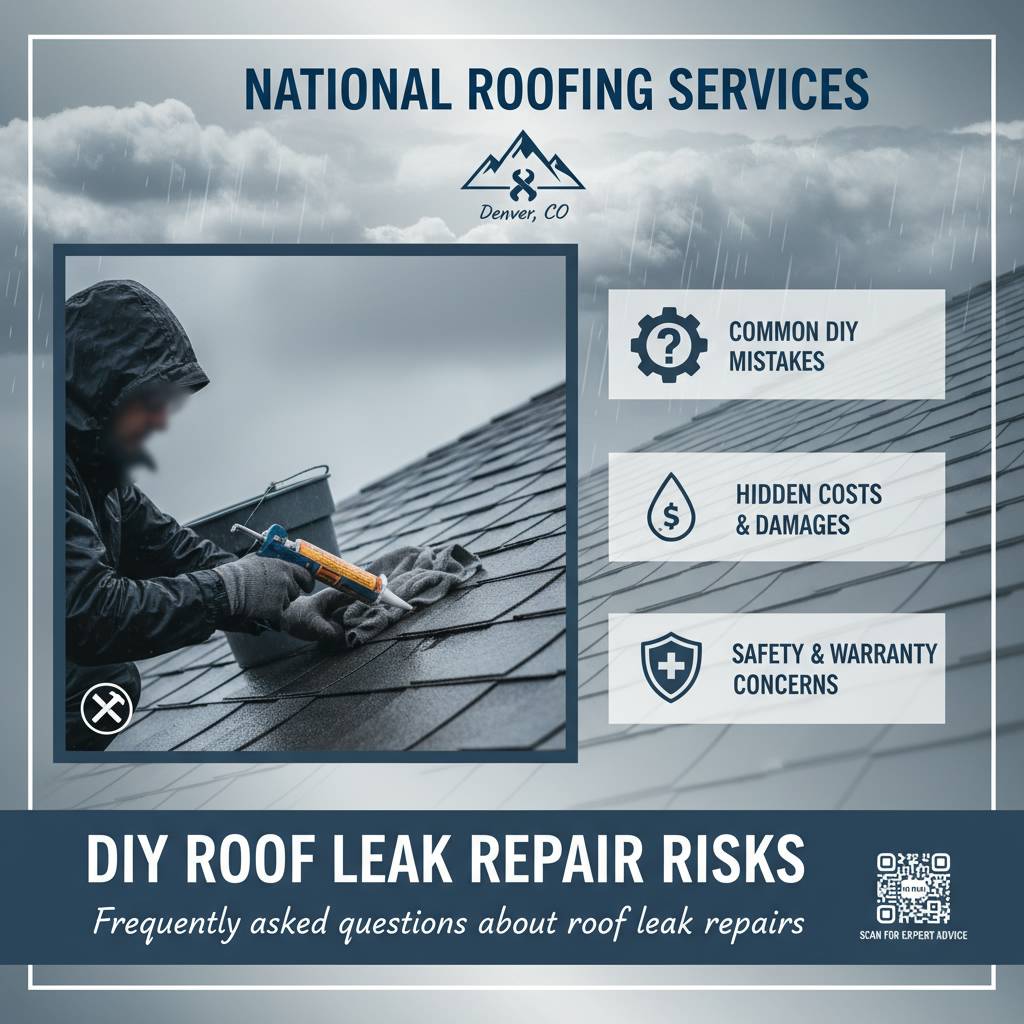
Can I patch a small leak myself?
Some very minor, temporary patches may stop visible dripping, but they rarely address the cause. Moisture can travel under roofing materials and return during the next storm. For a reliable, long-term fix it's best to have a professional trace the leak and correct the source. If you must apply a temporary measure, use it only to buy time until a professional inspection can be scheduled.
How quickly should I call a professional?
Call as soon as you notice water entering your home or persistent signs of moisture in the attic. Early intervention prevents rot, mold, and structural damage. Even if the leak seems small, it often indicates a problem that will worsen over time. National Roofing Services responds promptly to assessments so we can limit secondary damage and restore a watertight roof quickly.
Will a professional replace my entire roof?
Not necessarily. Many leaks are repairable without full roof replacement. A professional will recommend the least invasive, most cost-effective solution that addresses the root cause. If widespread deterioration or age has compromised the roof system, replacement may be advised. We always provide options with pros and cons so you can make an informed decision.
Real-life example: When a small stain hid a major problem
A homeowner called because of a small, persistent stain in the upstairs hallway. A quick DIY patch months earlier had seemed to help, but the stain returned after a heavy windstorm. Our inspection uncovered damaged flashing around a roof vent and rot in the deck that local sealant had masked. Correcting the issue required replacing the flashing and several deck boards; doing so stopped the infiltration and prevented expensive attic framing repairs later. This kind of outcome is why professional assessment is a wise investment.
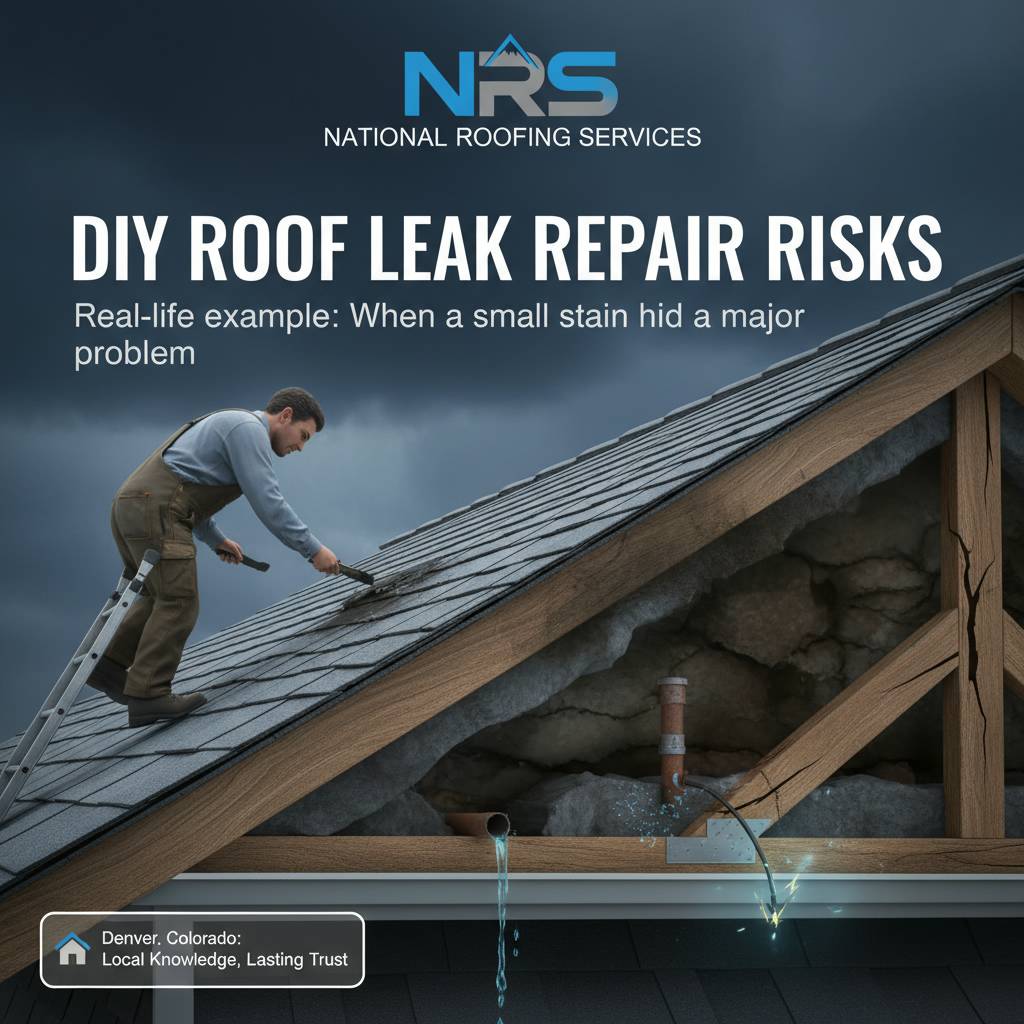
That case also illustrates another point: timely professional work often costs less than repeated short-term fixes. A homeowner who tries to get by with temporary measures often spends more in materials, time, and subsequent repairs than they would have on a single professional visit that addresses the root cause.
Call to action
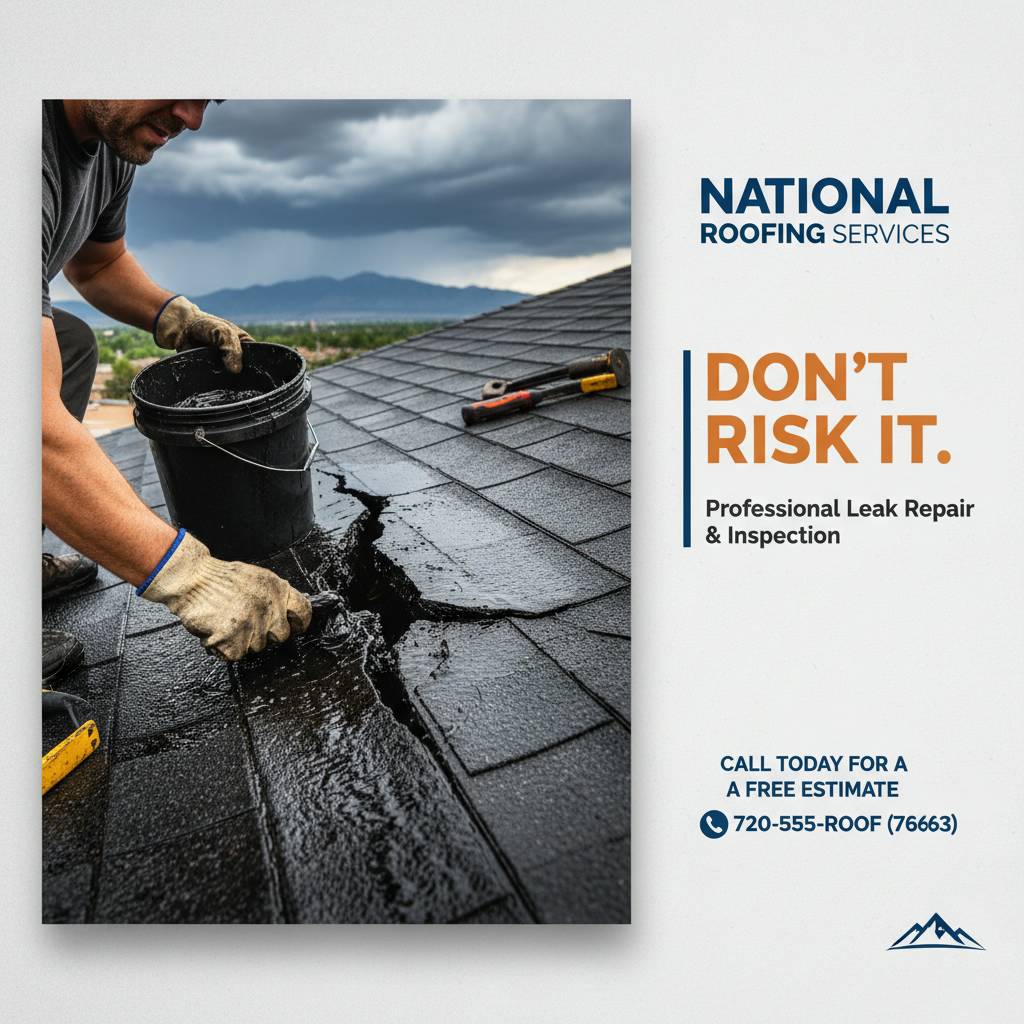 If you suspect a leak or notice water stains, don't wait and risk further damage. Schedule a thorough roof inspection and dependable repair with National Roofing Services. Our experienced technicians will assess the situation, explain your options, and perform work that protects your home and family.
Call us today at 303-555-7788 to set up an appointment or to request a no-obligation estimate. Professional repairs reduce repeat leaks, avoid safety hazards, and protect your home's value-let us help you make the right, lasting choice.
Thank you for considering National Roofing Services; we look forward to helping you restore a safe, watertight roof. Contact us at 303-555-7788 to schedule a professional inspection and repair.