How Quick Repairs Prevent Mold And Structural Rot
Quick repairs prevent mold growth and structural rot after roof leaks occur. National Roofing Services emphasizes timely remediation to avoid health and safety issues. Reach out at 303-555-7788 for rapid evaluation and repair services. Early action protects occupants and the building envelope.
When a roof leak appears, the decision to act quickly affects far more than a stained ceiling or a few ruined boxes. Moisture that remains uncontrolled will migrate through ceilings, walls, and framing, creating ideal conditions for mold and accelerating wood decay. At National Roofing Services, we focus on fast, practical responses that stop deterioration before it becomes expensive or dangerous. For immediate assistance, contact 303-555-7788-we prioritize assessment and containment to protect both people and property.
This page explains why rapid repair matters, how quick repairs prevent mold and structural rot, how to recognize early signs of trouble, and the clear steps owners and managers should take after a leak. We provide practical guidance from roof assessment through drying, repair, and prevention, so you can decide confidently and mitigate long-term exposures and costs.
Why immediate repairs matter for health and building longevity
Water intrusion is time-sensitive in its impact. Within 24 to 48 hours, porous building materials such as drywall, insulation, and untreated wood can begin to support visible mold colonization. As mold grows, it releases spores and volatile compounds that can affect indoor air quality and trigger allergic or respiratory symptoms in occupants. Prompt repairs limit exposure by preventing sustained moisture conditions that feed microbial growth.
Beyond mold, prolonged moisture accelerates structural rot and compromises the building envelope. Wood framing soaked for extended periods loses strength, fasteners corrode, and connections that once kept assemblies stable can fail. Early remediation reduces the area needing repair, limits the depth of material replacement, and preserves the design life of roofing, sheathing, and interior finishes.
Health and liability considerations
Property owners and managers are responsible for providing a safe environment. When leaks lead to mold and hidden rot, occupant health complaints may increase and insurance claims or legal exposure can result. Documenting quick action-inspection, moisture mapping, and remediation-demonstrates due diligence. This record is invaluable in protecting occupants and showing that the situation was managed responsibly.
How quick repairs prevent mold and structural rot: mechanisms and outcomes
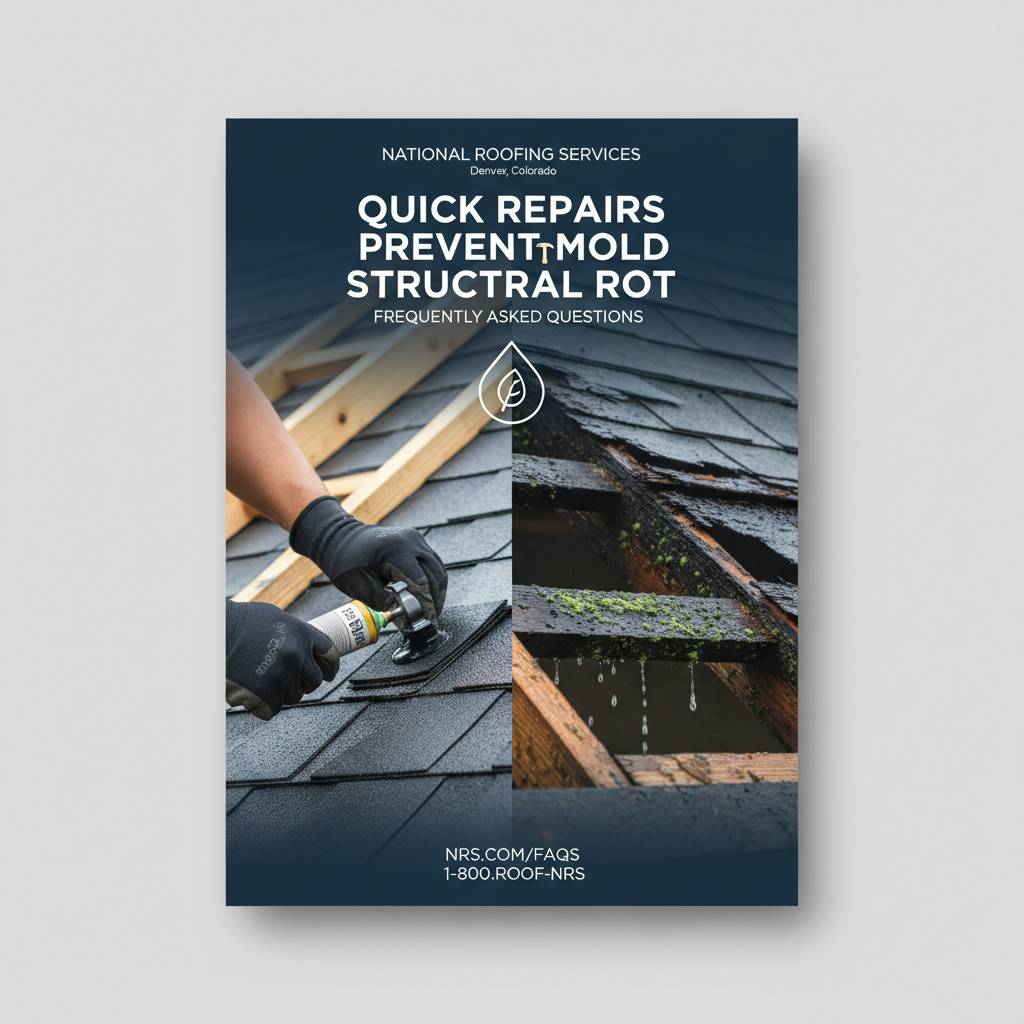
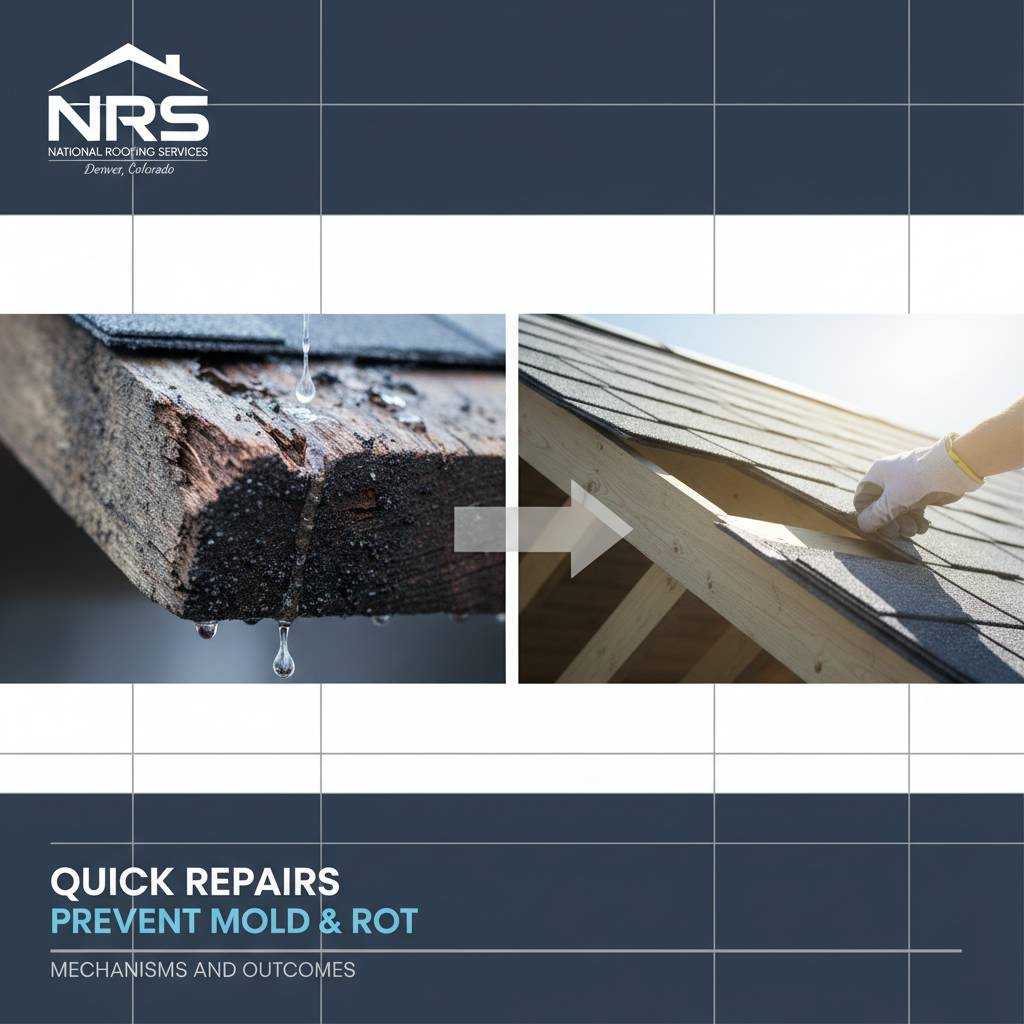 Understanding the mechanics of moisture, mold, and rot clarifies why time matters. Mold spores are ubiquitous; they only become a problem when they meet sustained moisture and organic food sources. Quick repairs interrupt this sequence at multiple points: by removing the water source, drying materials below critical thresholds, and restoring protective barriers. Each step reduces the likelihood that fungal colonies will establish and penetrate deep into assemblies.
Similarly, structural rot is a function of both moisture content and duration. Wood exposed to elevated moisture for weeks begins fungal decay that reduces shear strength and bearing capacity. Early intervention-stopping leaks and lowering moisture content-keeps wood in a safe condition. This often means the difference between replacing a small section of sheathing and performing extensive framing replacement.
Quick repairs also limit secondary damage such as staining, adhesive failure, and electrical hazards. For example, water that reaches junction boxes or light fixtures creates immediate safety risks. Rapid assessment and temporary containment measures prevent dangerous short-circuits and allow for safe, staged repairs that restore systems without unnecessary demolition.
Recognizing early signs of roof leaks and hidden moisture
Detecting a leak early significantly reduces repair scope. Obvious signs include ceiling or wall stains, peeling paint, soft or sagging drywall, and active dripping. However, many leaks are less conspicuous: musty odors, elevated indoor humidity, or localized cold spots on walls can indicate hidden moisture. Routine roof inspections-after storms and seasonally-catch subtle problems before they escalate.
- Dark or discolored spots on ceilings or under eaves.
- Musty or earthy odors in attics, basements, or upper floors.
- Higher-than-normal indoor humidity or frequent condensation on windows.
- Visible mold patches in corners, behind furniture, or within closets.
- Loose, curling, or missing shingles, cracked flashing, and blocked gutters.
When you notice these indicators, a fast, professional evaluation helps identify whether the issue is active or historical, the likely entry point, and which materials are at risk. Using moisture meters and thermal imaging, technicians can locate wet pockets without unnecessary removal of finishes, enabling targeted remediation.
Effective remediation steps after a roof leak
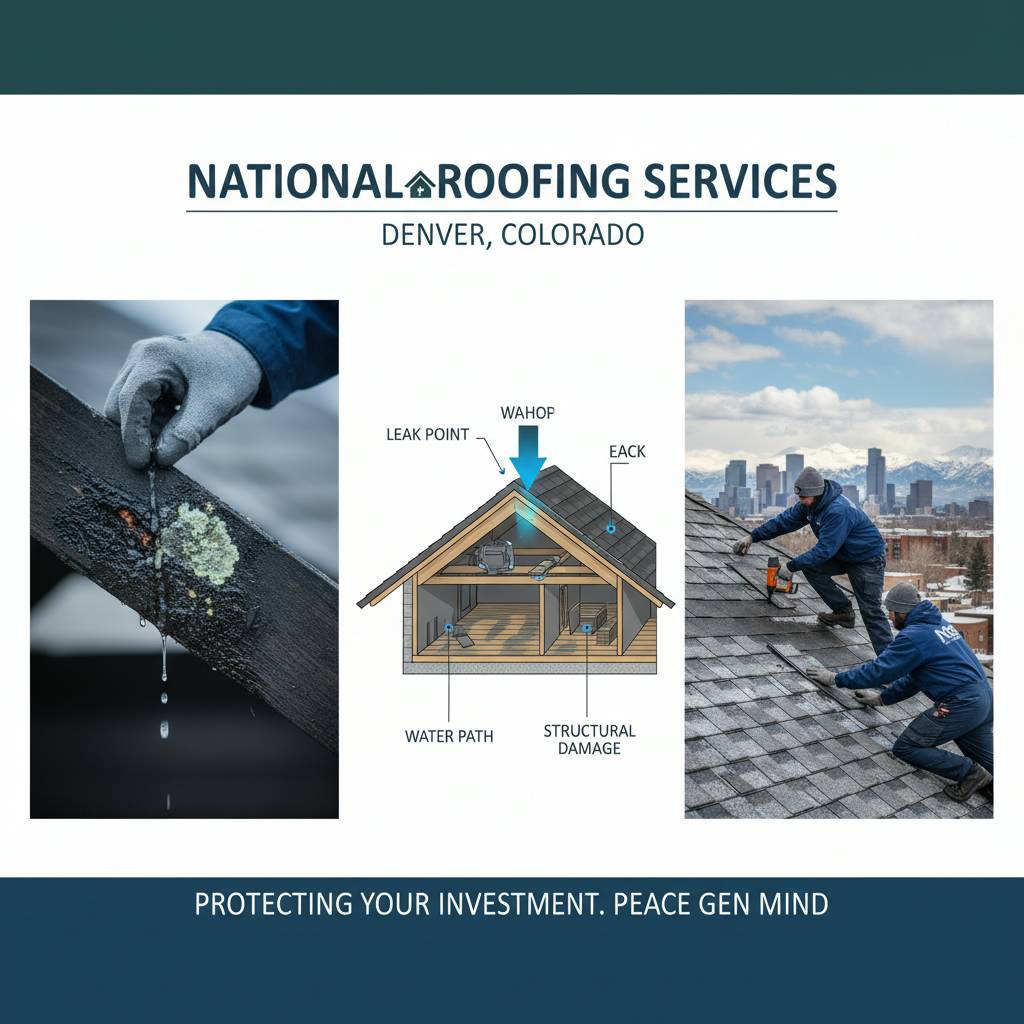 Successful remediation follows a logical sequence: stop the source, assess damage, dry and decontaminate, repair or replace damaged materials, and verify dryness and safety. Each stage must be documented to ensure confidence in the outcome and to limit future recurrence. Quick action at each step reduces the chance that hidden mold colonies or rot will continue to expand.
Practical measures often include temporary tarping, controlling interior humidity, removing wet contents, and setting up drying equipment. In cases where mold is present or materials are excessively saturated, containment and proper disposal of contaminated materials may be necessary. Skilled technicians balance speed with careful procedures to prevent cross-contamination and preserve salvageable materials.
- Immediate containment: patch or tarp the roof, divert water away from the structure.
- Assessment and documentation: moisture mapping, thermal imaging, and photographic records.
- Active drying: dehumidifiers, air movers, and controlled ventilation until moisture levels reach safe readings.
- Cleaning and antimicrobial treatments where mold is identified, followed by material replacement if needed.
- Final verification: moisture measurements and a post-remediation inspection to confirm success.
How professionals approach repairs to minimize long-term costs
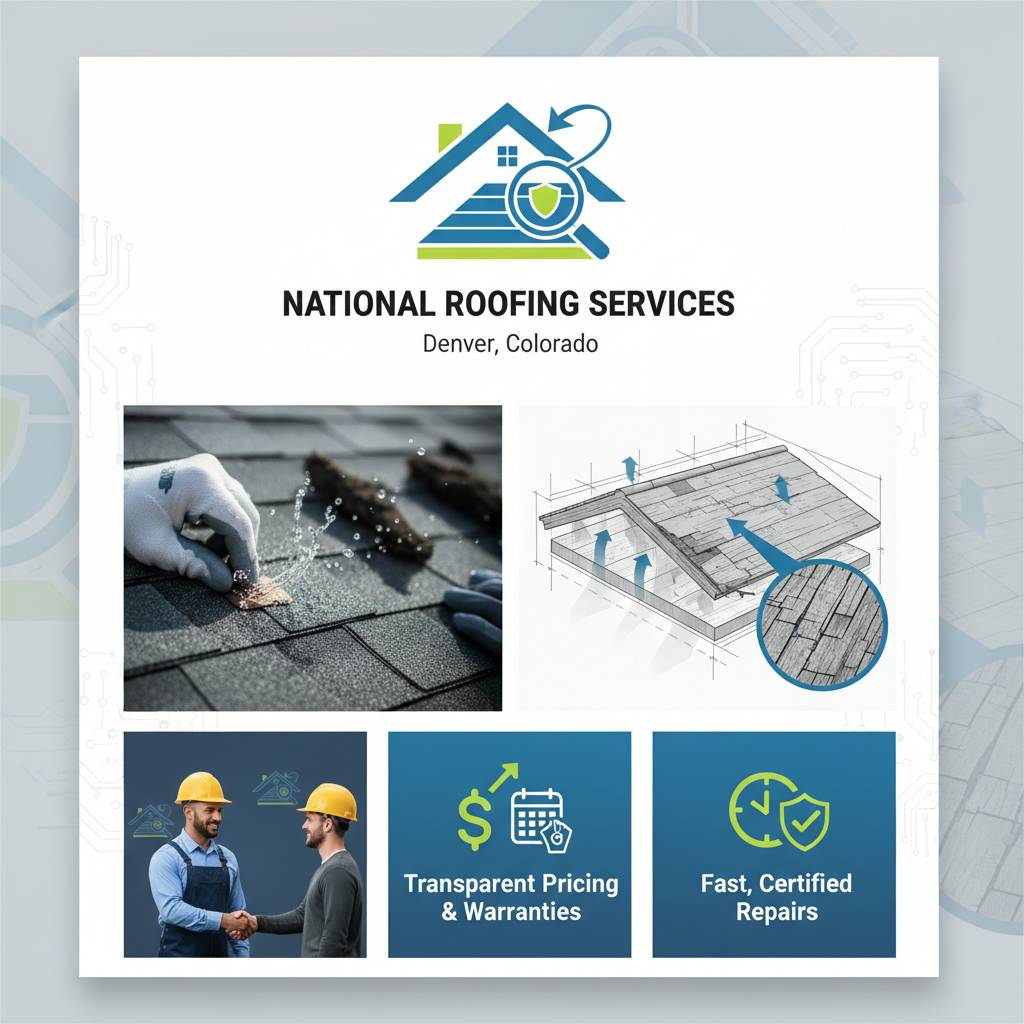 Professional teams focus on targeted repairs and evidence-based drying rather than wide-area demolition. By using moisture readings and condition-based criteria, technicians can determine what must be removed and what can be dried and restored. This conservative, informed approach saves money and retains more of the original construction where safe to do so.
Additionally, trained crews coordinate with roofing specialists, structural engineers, and HVAC professionals when necessary. This multidisciplinary response ensures repairs restore structural integrity and indoor air quality and that corrective actions, such as improving attic ventilation or adding flashing, reduce future leak risk. By addressing both symptoms and root causes, quick professional repairs deliver durable outcomes.
Preventive maintenance: reduce the risk of future leaks and rot
 Routine maintenance is the most cost-effective way to avoid emergency repairs. Seasonal checks of roof coverings, flashings, gutters, and attic ventilation reveal developing problems early. Clearing debris, replacing worn shingles, sealing penetrations around vents and chimneys, and ensuring proper drainage all decrease the chance of water entry and the corresponding risk of mold and rot.
Implementing a simple inspection schedule and keeping records of repairs helps building owners plan maintenance budgets and demonstrates proactive stewardship. For higher-risk buildings-older construction, complex rooflines, or heavy tree coverage-more frequent professional inspections are prudent. These regular actions protect asset value and occupant safety over the long term.
Case study: rapid response that saved a multi-family roof system
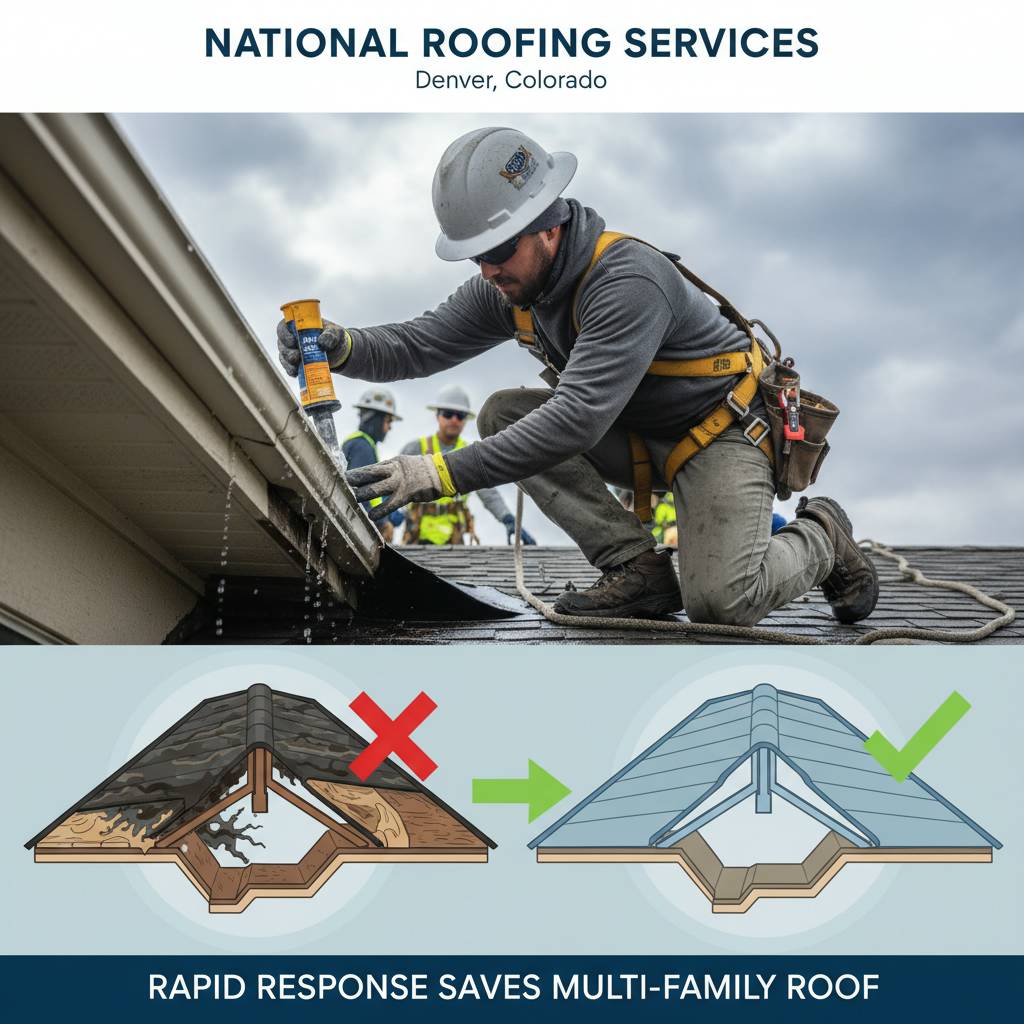 A multi-family building experienced a slow leak above a third-floor hallway that had been going unnoticed for weeks. The property manager called National Roofing Services after tenants reported a musty smell and staining near a utility chase. Our crew performed a focused inspection with moisture meters and thermal imaging and identified the leak source: failed flashing around a rooftop mechanical penetration.
Because the owner acted quickly, we were able to tarp the affected area, remove localized wet insulation, and set up drying equipment overnight. Targeted replacement of the compromised flashing and a limited section of failing sheathing restored watertightness. Post-drying measurements confirmed moisture levels within safe limits, and no extensive framing replacement was necessary. This rapid sequence of actions prevented wider mold growth and costly structural repairs.
Frequently asked questions
How quickly does mold start after a roof leak?
Mold can begin to colonize porous materials within 24 to 48 hours of exposure if conditions remain damp. That timeline depends on temperature, material type, and humidity, but the key point is that delay increases risk. Rapid drying and containment are essential to interrupt fungal growth before it becomes established.
Can wet drywall be dried in place, or should it be removed?
Many times, drywall can be dried in place when wetting is shallow and contamination is minimal. Professionals use moisture meters to decide whether drying will be effective or whether removal is necessary. If drying will take too long or mold is present, removal of affected drywall sections is typically recommended to ensure safe results.
Will insurance cover rapid repairs and mold remediation?
Coverage varies by policy and circumstances. Many standard property policies cover sudden accidental water damage from roof leaks, but they may exclude long-term neglect. Prompt documentation of the leak and remedial actions improves the likelihood of coverage. Always contact your insurer promptly and retain records of inspections and repairs.
What are the signs of structural rot I should look for?
Signs of rot include softened or crumbling wood, sagging floors or ceilings, visible fungal growth, and changes in door or window operation due to shifting framing. If you suspect structural compromise, restrict access to affected areas and call a professional for evaluation-early intervention can prevent collapse or extensive reconstruction.
Practical tips for building managers and homeowners
 Maintain a simple checklist: inspect after storms, keep gutters clear, ensure attic ventilation is unobstructed, and address minor roof damage promptly. Train maintenance staff to recognize musty odors and to report small stains immediately. When a leak occurs, prioritize stopping the source and documenting conditions before cleanup, so repair decisions are informed and defensible.
Consider an annual contract with a trusted local contractor like National Roofing Services for scheduled inspections and priority response. A relationship with a reliable partner accelerates help when time matters and allows for consistent, documented maintenance that reduces emergency expenditures.
Take action now: If you suspect a leak or notice signs of moisture damage, contact National Roofing Services for a rapid evaluation. Early assessment preserves health and asset value and often reduces the extent of repairs. Call 303-555-7788 to schedule an inspection and get clear recommendations within 24 hours.
Protect occupants, prevent mold growth, and preserve the structural integrity of your building by addressing roof leaks quickly. Our team at National Roofing Services stands ready to help-reach out at 303-555-7788 for reliable, timely remediation and practical prevention guidance.