
How Residential Movers Protect Belongings
Introduction: Why protection matters for a residential move
Homeowners want assurance that their possessions arrive intact, and National Moving Group provides proven protection methods tailored to residential moves. Moving is more than transportation; it is a chain of small decisions-packing choices, cushioning strategy, vehicle loading, and on-site handling-that together determine whether fragile heirlooms, electronics, and furniture arrive in the same condition they left. This page explains practical, industry-standard practices and shows how residential movers protect belongings from start to finish.
Our goal is to help you understand not only what we do but why each step matters. When you read these protocols, you will see how careful planning, appropriate materials, and trained personnel reduce risk at every touchpoint. If you want tailored advice, call National Moving Group at 469-555-8888 to discuss your move specifics and receive recommendations for the items you value most.
Packing and cushioning standards
Packing is the most influential factor in preventing damage during a move. Professional residential movers protect belongings by using the right combination of boxes, padding, and wrapping techniques. For example, heavy items go in small, sturdy boxes to prevent overpacking; fragile items are individually wrapped; and void space is filled to prevent shifting. These seemingly small choices dramatically reduce the chance of breakage during transit.
At National Moving Group, we follow a consistent packing protocol that begins with an assessment of each item's size, weight, fragility, and value. Once categorized, we choose from a range of supplies: double-walled cartons for books and dense items, dish packs with cell dividers for kitchenware, and proper cushioning-bubble, foam, or paper-based on an item's surface and shape. This approach balances protection and cost-efficiency for homeowners.
- Use of graded boxes: single-wall for light items, double-wall for heavier loads.
- Layered cushioning: soft-wrap, foam corners, and crumpled paper to eliminate impact points.
- Seal and label: secure seams with industrial tape and clearly mark orientation and fragility.
Common packing materials and their uses
Choosing the right material is critical to how residential movers protect belongings. Bubble wrap excels at protecting delicate surfaces and absorbing impact. Foam sheets and blocks provide rigid support for irregular shapes and electronics. Paper is economical for filling gaps and protecting painted surfaces. Quilted moving pads and stretch wrap protect furniture surfaces from scratches and keep drawers and doors closed during transport.
| Material | Best Use | Strengths |
|---|---|---|
| Double-walled box | Books, tools, small appliances | High crush resistance, stacks well |
| Dish pack with inserts | Plates, stemware, china | Individual cell protection |
| Quilted pads & stretch wrap | Furniture, large electronics | Surface protection, scratch prevention |
Loading, transport, and in-vehicle protection
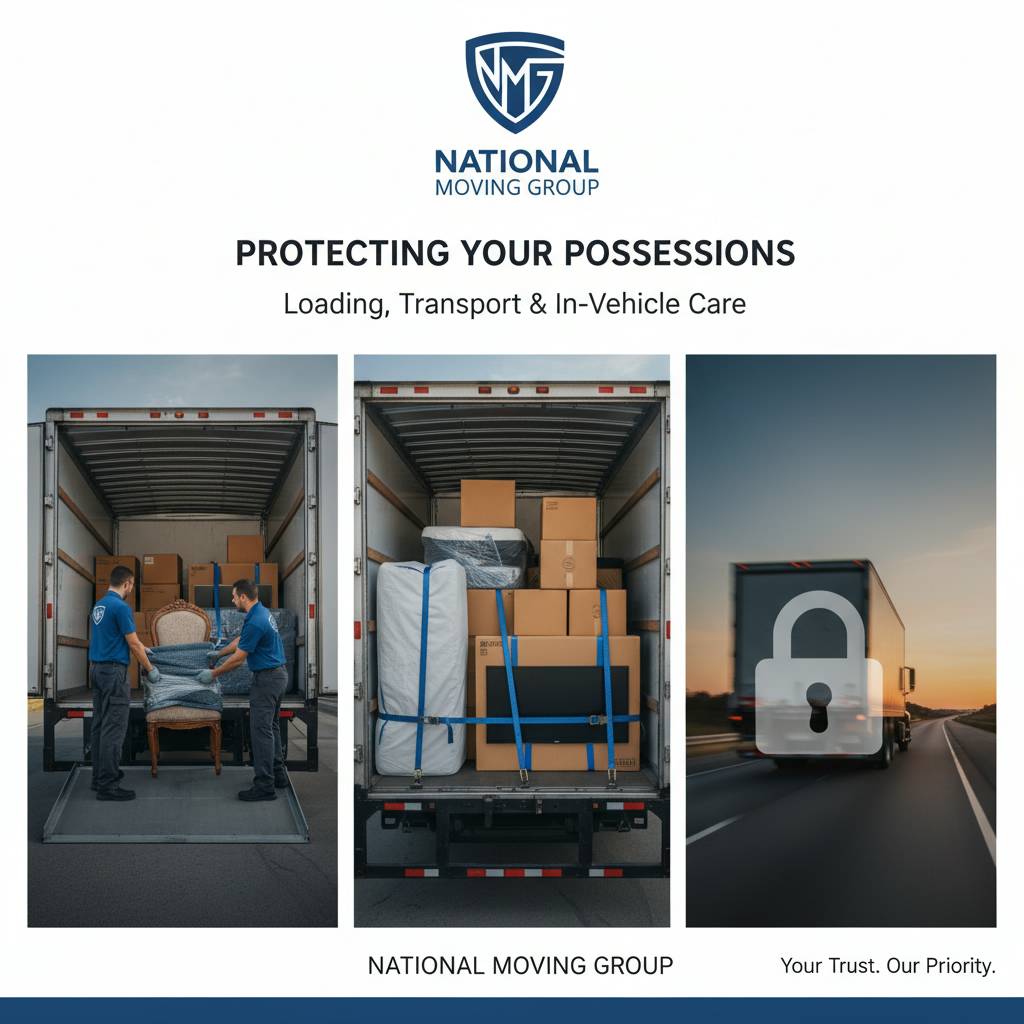 Once items are packed, safe loading and secure transport are essential. Industry-standard methods include weight distribution, tie-down points, and protective barriers between items. Professional movers protect belongings by placing heavy items on the floor of the truck near the axle, lighter or fragile items on top or in secured compartments, and using straps and load bars to immobilize tall stacks. This minimizes movement that causes dents or broken items.
Trained movers also use blocking and bracing within the truck to prevent items from shifting during sudden stops or turns. Doorways and ramps are protected with mats and pads; fragile items are loaded last and unloaded first so they spend the least time in the vehicle. These tactics reduce the number of handlings and exposure to vibration and transit shocks, which are common causes of damage.
- Strategic stacking: weight-based placement to protect boxes and maintain vehicle balance.
- Securement systems: ratchet straps, load locks, and anti-slip mats to keep cargo static.
- Climate considerations: insulated or climate-controlled trailers for temperature-sensitive items.
Handling procedures and team accountability
How residential movers protect belongings also depends on human factors: training, communication, and accountability. Movers who understand proper lifting techniques, two-person lifts, and team choreography are less likely to drop or bump items. National Moving Group emphasizes regular staff training and clear labeling protocols so every mover knows if a box contains fragile glass, a heavy piano, or an electronic system requiring special handling.
Equally important is chain-of-custody documentation. When items are inventoried and condition-noted at pick-up, there is a factual record that protects both homeowner and mover. Photographs of high-value items and signed inventories reduce disputes and create transparency. A proactive approach to accountability is one reason clients trust movers who provide consistent, documented handling procedures.
Practical steps movers take on-site
To limit damage during loading and unloading, teams perform a short walkthrough, establish floor protection routes, and plan staging areas for bulky items. Moving blankets and sliders are used for heavy furniture, while tools like appliance dollies and stair runners protect both items and the home. These measures reduce friction and impact, preserving both the home's finishes and the client's possessions.
Specialized protection for delicate and high-value items
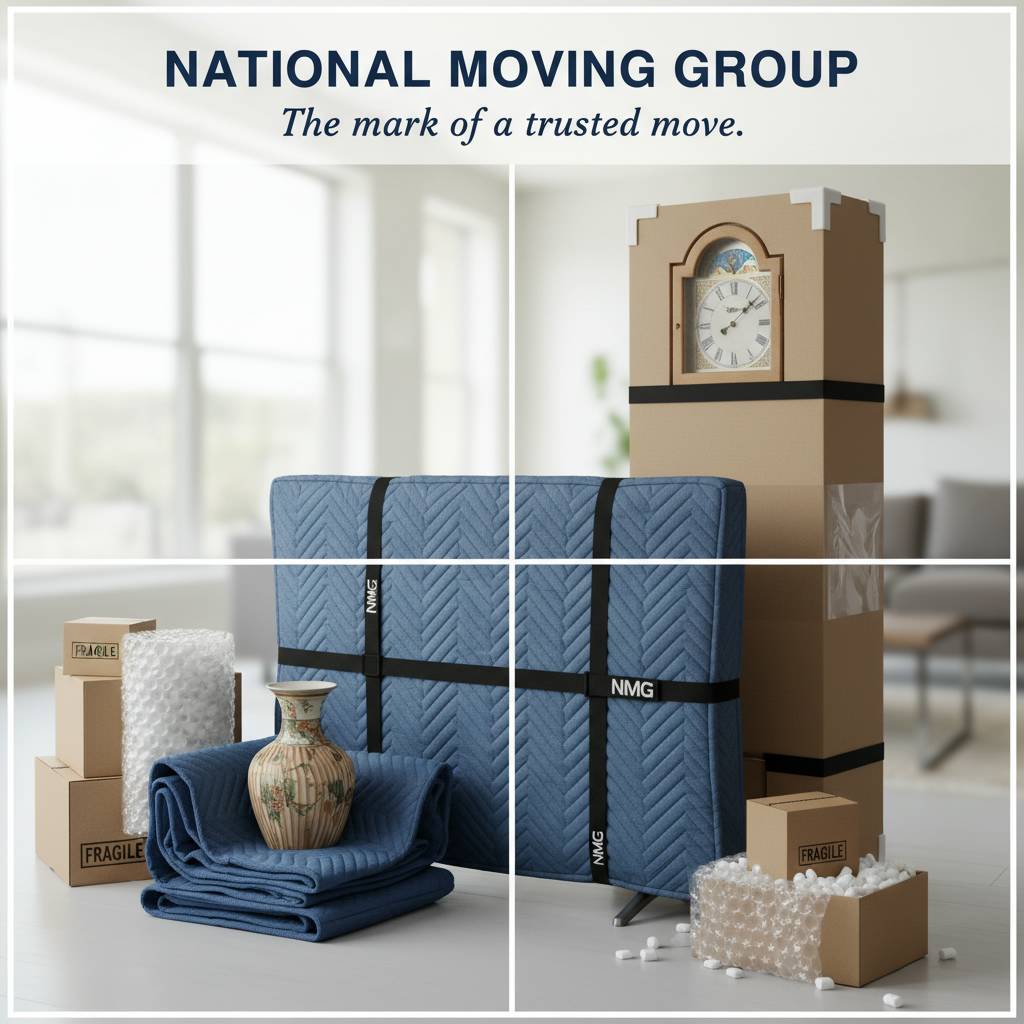 Certain items require bespoke solutions. For antiques, artwork, pianos, and large flat-screen televisions, standard boxes are not sufficient. Art may be crated with custom foam blocks and anti-vibration mounts. Pianos often need specialized skid hardware and machine-moving expertise. Electronics are packed with static-shielding materials and supported to avoid pressure on screens and connectors. These tailored methods are central to how residential movers protect belongings that cannot be replaced.
Insurance and valuation are also part of specialized protection. Movers should discuss options for declared value and replacement coverage, and advise homeowners on additional insurance where appropriate. While careful packing and expert handling reduce the likelihood of loss, clear financial protection complements physical safeguards and gives homeowners peace of mind.
What homeowners can do to assist protection efforts
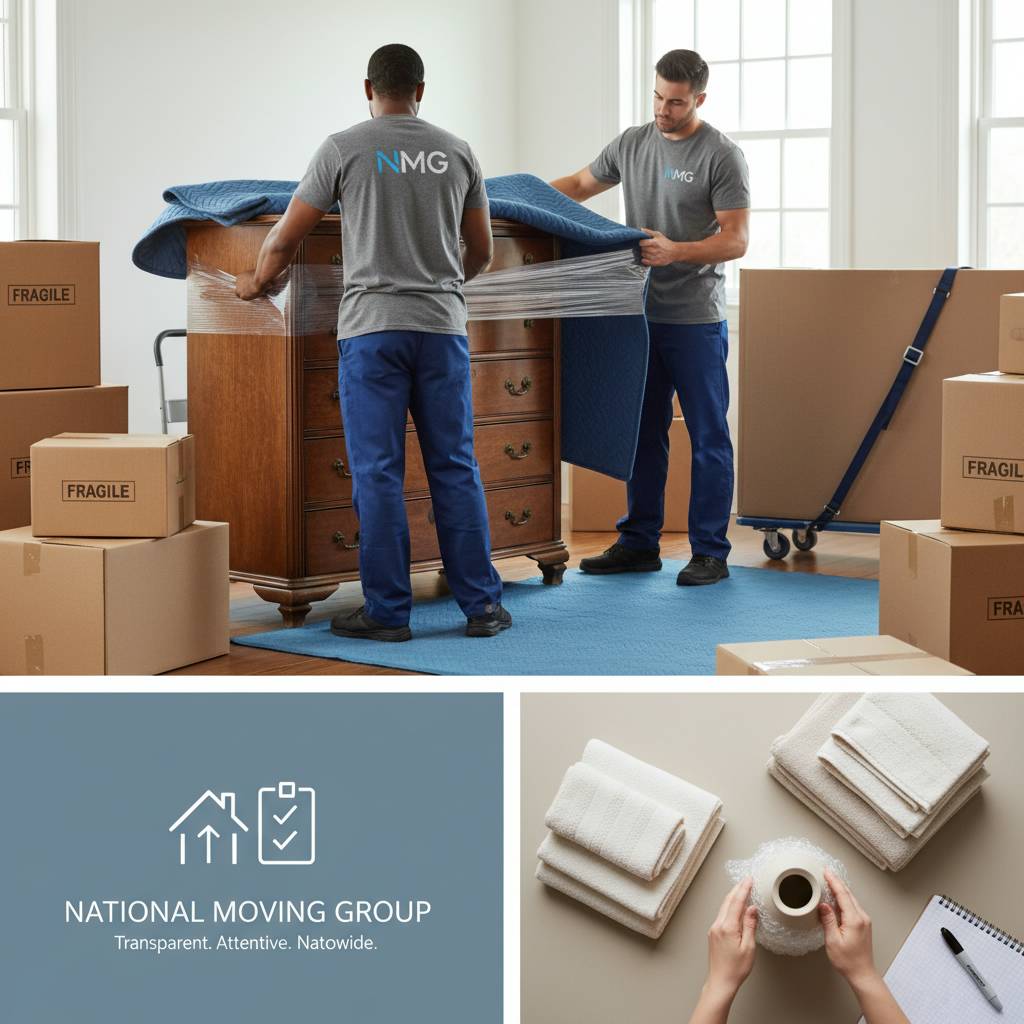 Homeowners play an important role in reducing risk. Preparing a clear inventory, disassembling furniture when possible, and communicating any particular concerns (e.g., loose parts, sentimental value) helps movers plan and allocate resources effectively. Proper pre-move preparation-defrosting refrigerators, emptying drawers, and removing loose glass shelves-prevents preventable damage and speeds the moving process.
Labeling and staging items also matter. Mark fragile boxes in a way that is visible from any angle and designate a safe area where movers can place wrapped, ready-to-move items. If pets, children, or scheduled contractors will be present on moving day, coordinate logistics ahead of time to minimize distractions and interruptions that can lead to handling mistakes.
- Create a room-by-room inventory and note special handling needs.
- Protect floors and pathways by using paper runners, carpet shields, or plywood.
- Keep an essentials kit with important documents, medications, and valuables you will transport personally.
Frequently asked questions
How do movers decide which items need crating?
Movers evaluate size, fragility, replacement cost, and the item's ability to tolerate vibration. Items with irregular shapes, glass faces, or components that could shift often get custom crates. Crating provides rigid support and distributes pressure against the crate rather than the object, which is especially important for antiques and large artwork. A professional estimator will recommend crating based on visual inspection and your stated priorities.
Will packing materials be environmentally responsible?
Many moving companies source recyclable or reusable packing materials, such as corrugated boxes and wool or quilted pads that can be returned and reused. When sustainability matters to you, ask about reusable crate programs and biodegradable packing peanuts. Good movers balance protective performance with eco-conscious options whenever possible.
What steps are taken if an item is damaged during transit?
If damage occurs, reputable movers document the condition, review the signed inventory, and initiate a claims process according to the carrier's policy. Immediate reporting, supporting photographs, and retained packing materials expedite resolution. National Moving Group strives to resolve issues transparently and to prevent repeating the mistake through root-cause analysis and improved procedures.
Case examples and evidence of practice
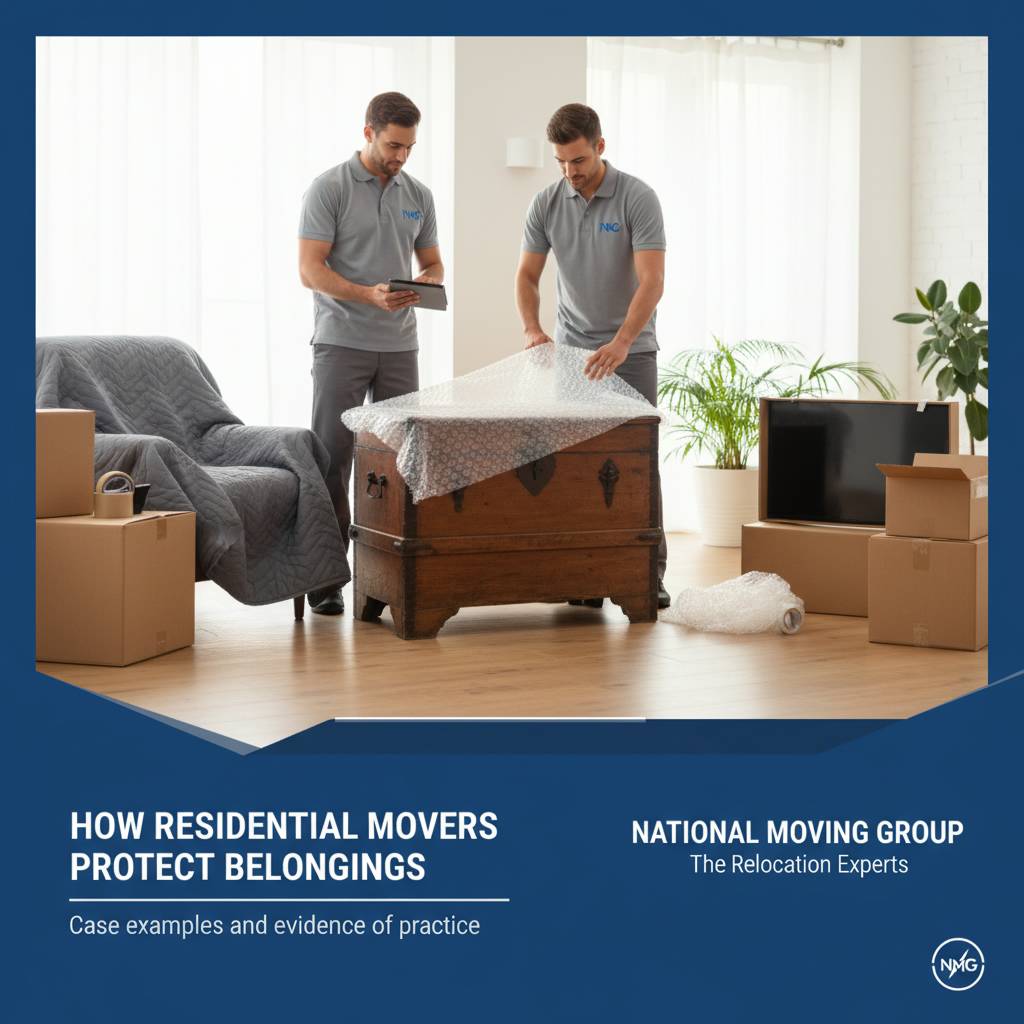 Real-world examples can illustrate how residential movers protect belongings. In one recent relocation, a homeowner's heirloom china set was wrapped individually, cell-divided into dish packs, and stacked amid padded boxes to prevent lateral movement. The result was successful delivery with no breakage despite a long-distance route and multiple handlings. Small investments in proper packing paid off with preserved family heirlooms.
Another example involved a client with several large framed artworks. Custom crates with foam isolation points and moisture barriers ensured the pieces survived transit and temporary storage. The homeowner appreciated the documentation and photos taken before loading; having that visual record simplified insurance validation and reinforced confidence in the moving team's professionalism.
When considering how residential movers protect belongings, these examples show that careful planning, the right materials, and documented practices reduce risk and build trust between homeowners and moving companies. NMG and the team at National Moving Group apply these principles to every move we handle, large or small.
Call to action
If you're planning a residential move and want practical, tailored advice on protecting your possessions, contact National Moving Group for a no-obligation consultation. Our estimators will assess your inventory, explain options, and outline the protective measures we recommend for fragile or high-value items. Reach us at 469-555-8888-we're ready to answer questions and help you plan a secure move.
For immediate guidance on packing materials, crating needs, or day-of handling procedures, call National Moving Group at 469-555-8888. Choosing a mover who emphasizes protection will give you confidence that your belongings are handled with care and accountability.
We look forward to helping make your move reliable and worry-free. Contact National Moving Group at 469-555-8888 to speak with a knowledgeable representative and receive personalized recommendations.