
Professional Movers Vs DIY Move
Deciding between hiring movers or a DIY approach can be confusing, and National Moving Group breaks down the trade-offs in straightforward terms. Our comparison highlights cost, time, and risk factors so you can weigh the right choice and call 469-555-8888 for a free consultation. We present realistic scenarios where professionals save money and where DIY may suffice. This practical guidance helps homeowners choose the best route for their situation.
Quick take: professional movers vs DIY move - the short version
If you want the one-line answer: hire professionals when you value time, predictability, and protection for expensive or awkward items; go DIY when your move is small, local, and budget-driven. That sounds simple, but the real decision sits in the gray areas where cost, scale, and risk overlap.
Think of the choice like choosing a tool. Professional movers are the hammer that gets the job done quickly and with less chance of damage. A DIY move is a multi-tool: flexible and cheaper if you already have boxes, a truck, and helpers, but it demands more planning, physical effort, and tolerance for surprises.
Pros and cons laid out - what each option really buys you
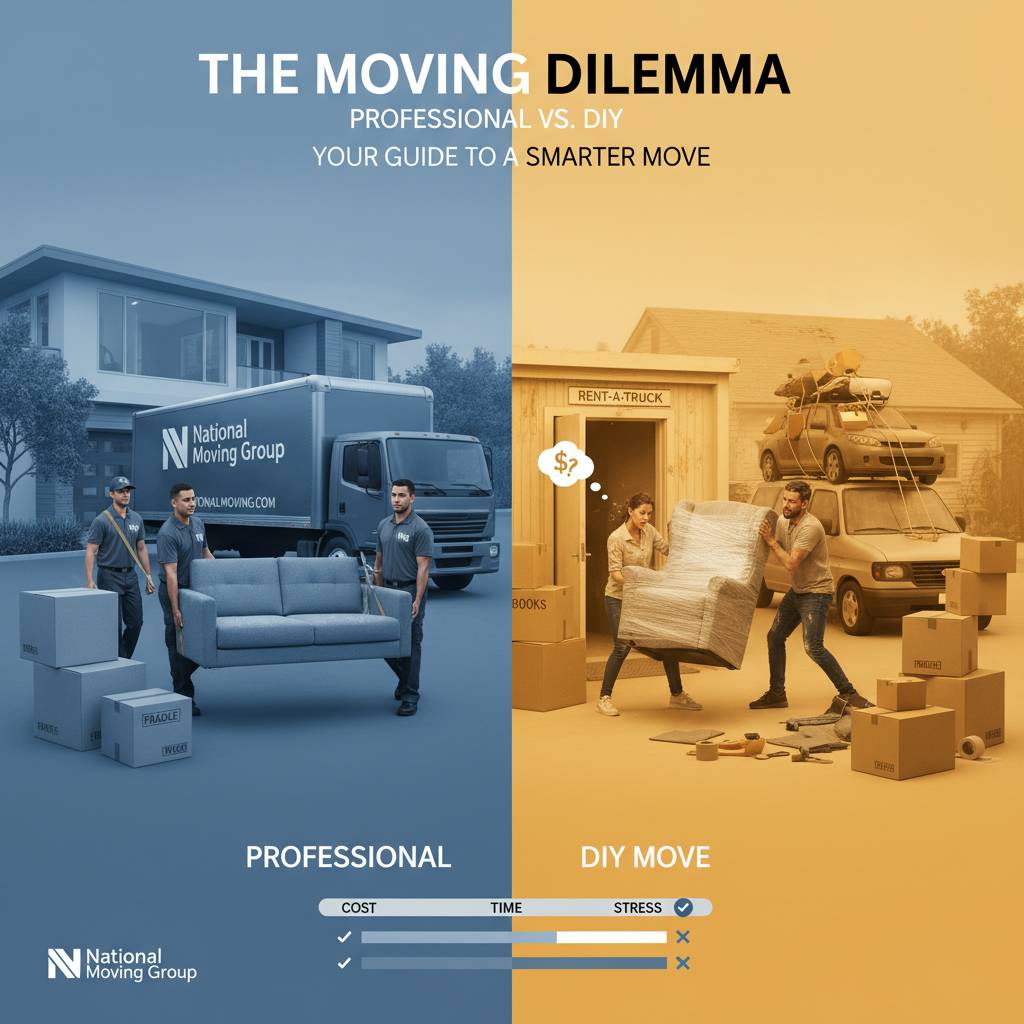 Here's a straightforward comparison to help you weigh options. These are the common advantages and trade-offs people talk about when deciding between a professional crew and doing it themselves.
- Pros of hiring professional movers: Save physical labor, get packing expertise, reduced breakage risk, faster loading/unloading, and insurance options that cover damage or loss.
- Cons of hiring pros: Higher upfront cost, potential scheduling constraints, and the need to research reputable companies to avoid hidden fees.
- Pros of a DIY move: Lower cost if you handle labor and have access to a truck, total control over timing and handling, and flexibility to pack at your own pace.
- Cons of DIY: Physical strain, possible damage from inexperience, longer time commitment, and unanticipated expenses like rental insurance, fuel, or overtime for helpers.
Cost breakdown: real numbers, common surprises, and how to compare estimates
Budget is often the deciding factor. Rather than guessing, start by adding line items for the actual cost of both options. For movers that typically means hourly labor, truck fees, travel time, packing materials, and insurance; for DIY it means truck rental, fuel, packaging, potential day labor, and the value of your time.
To make that concrete, a short-distance, 2-bedroom local move with professionals might run between a few hundred to a couple thousand dollars depending on region, packing needs, and access difficulties. A DIY route for the same move could be lower if you have friends to help and a small rental van, but costs add up quickly once you factor in fuel, tolls, packing materials, and the risk of damage.
| Cost component | Professional movers | DIY move |
|---|---|---|
| Labor | Hourly rates or flat fee - includes trained team | Free if friends help, or hourly/day rates for day labor |
| Truck & fuel | Included in quote or charged separately | Rental fees, fuel, miles - often more visible |
| Packing supplies | Optional add-on or included with full-service | DIY purchase of boxes, tape, pads - can be cheaper |
| Insurance & liability | Basic coverage included; upgraded options available | Rental insurance available; homeowner's policy may help |
| Hidden risks | Fees for stairs, long carries, tight access | Hours lost, injury risk, damage costs |
When you compare, ask professionals for an in-home estimate and a clear breakdown. For DIY, build a spreadsheet with your expected truck rental time, helpers, and materials. That way you can make an apples-to-apples choice instead of just watching the sticker price.
Time, logistics, and stress - not just money matters
Time is a resource many forget to truly value. Hiring pros usually turns a day of chaos into a few focused hours. Movers streamline packing, disassembly, loading, and unloading; that means less time off work, fewer babysitting or pet-care headaches, and often a quicker move-in time at your new place.
A DIY move can eat entire weekends. Even for motivated people, unanticipated logistics-like tight loading zones, elevator time windows, or complicated reassembly-can turn a simple move into a marathon. If you have one weekend to move because of lease rules or a job start date, professionals offer predictability that can be worth the extra cost.
Packing speed vs packing quality
Professional packers can be fast and methodical, especially for fragile or high-value items. They know how to protect irregular furniture and the best materials to use. DIY packing gives you control and helps you save money, but it takes longer and often results in less optimal protection unless you've packed moves before.
Risk and liability: protecting valuables and your back
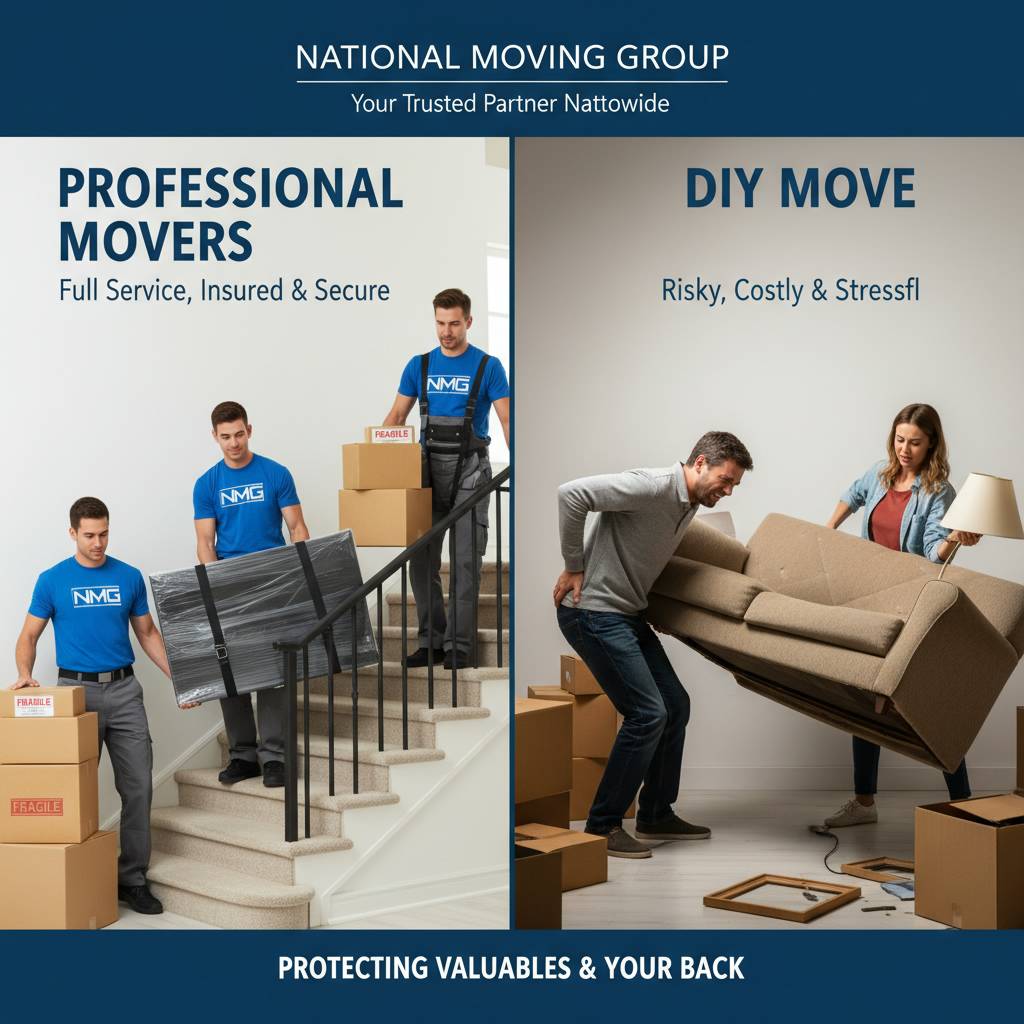 One underplayed part of the decision is liability. Moving heavy furniture without the right technique or equipment can lead to injuries and costly medical bills. Professional crews are trained to move bulky items safely, and they're typically covered by insurance for damage that occurs on their watch.
If you choose DIY and rely on friends, consider that their homeowner or renter insurance probably won't cover damaged items during a move. Likewise, personal injury costs can become an issue if someone is hurt while helping. Renting moving blankets, dollies, and purchasing short-term rental insurance are inexpensive ways to lower these risks.
Real-life scenarios: when pros save money and when DIY is fine
Here are practical examples many homeowners face. These case studies aren't exhaustive, but they illustrate common outcomes and why one choice made more sense than the other.
Scenario 1 - Studio apartment, local, lots of time
If you're moving a studio down the road, own most boxes, and have flexible scheduling, DIY often wins. You can rent a small van for a few hours, recruit a couple of friends, and finish the job cheaply. The cost savings are real and the risk is low.
Scenario 2 - Three-bedroom with specialty items and stairs
When heavy furniture, a piano, or multiple flights of stairs are involved, professional movers usually save money in the long run. They can move items faster, avoid damage, and protect your floors and walls with proper gear. The hourly rate might look high, but you'll likely avoid repair bills and lost time.
Scenario 3 - Long-distance or out-of-state move
Long-distance moves add complexity: logistics, permits, and liability for items in transit. Professional movers experienced with long-haul transport can consolidate packing, coordinate shipping, and offer straightforward insurance for the trip. For many people, the peace of mind here outweighs the cost.
Practical checklist to help you decide
Use this short checklist to guide your decision-making. Answering these questions honestly will point you toward the better option for your situation.
- How many large, heavy, or fragile items are on the move list?
- Do you have a tight timeline or flexible moving dates?
- Are there stairs, narrow hallways, elevators, or tricky parking at either location?
- Can you recruit reliable helpers, and are you willing to handle the physical work?
- Have you compared insurance coverage and potential repair costs in both scenarios?
If most answers highlight complexity, tight timing, or valuable items, lean toward hiring professionals. If the move is small, you're comfortable with manual labor, and you've priced rentals and helpers, DIY can be the smarter pick.
Smart ways to reduce cost without sacrificing protection
You don't have to go all-in on one route or the other. Hybrid approaches can give you the best of both worlds. For example, hire movers for large, awkward furniture and handle the boxes yourself. That saves money while protecting the heaviest or most expensive pieces.
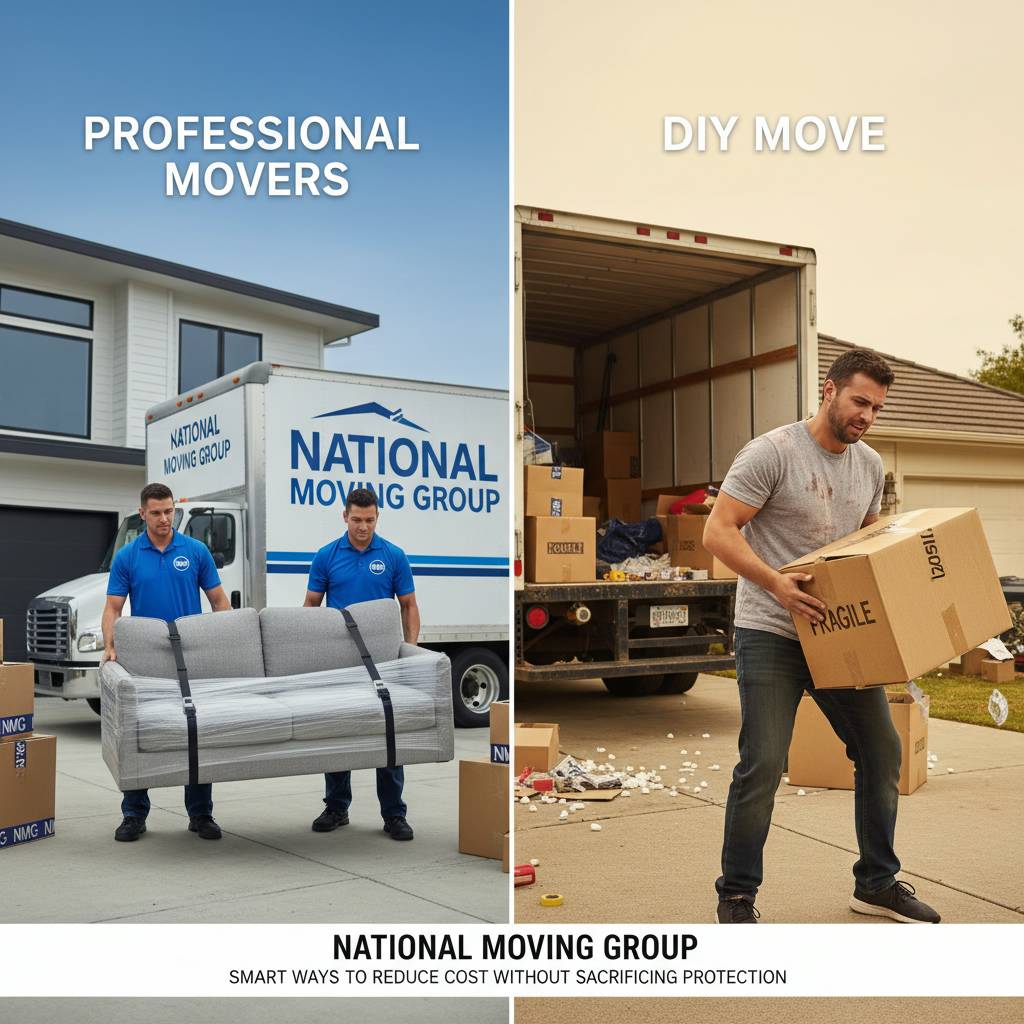
- Do the packing yourself, but book movers for loading/unloading and transport.
- Pack fragile items with professional-grade materials even if you're doing the move yourself.
- Book movers mid-week or mid-month if possible - demand often drops and so do prices.
- Get multiple in-home estimates and ask for an itemized quote to avoid surprises.
Common questions people ask (quick FAQ)
Will movers damage my things?
Any time items are moved there's risk. Reputable movers minimize that risk with training, padding, and insurance. Ask about their valuation coverage and consider purchasing additional protection for expensive items if needed.
Is it cheaper to buy new instead of moving large items?
Sometimes. If a piece is cheap to replace and very costly to move-like a large, old wardrobe-you might choose to sell or donate it and buy new at your destination. Do the math: replacement cost plus time vs moving cost and sentimental value.
How far in advance should I book movers?
For peak moving season (late spring to summer), book 46 weeks ahead if possible. For off-season moves, 12 weeks may work. Weekend spots fill up fast, so be flexible with dates if cost is a concern.
How National Moving Group helps - realistic, no-pressure guidance
At National Moving Group, we believe the right choice depends on your priorities, not a one-size-fits-all answer. We provide straightforward estimates, explain insurance options, and suggest hybrid solutions that can save you money while reducing risk. If you want a second opinion on a DIY plan, we'll review it and point out cost or risk blind spots.
Working with NMG at National Moving Group is as simple as a quick walkthrough-either virtual or in-person-so you can get a practical quote and clear next steps. We'll tell you when DIY makes sense and when your best move is to call in professionals.
Next steps and a simple decision plan
 Here's a short decision plan: 1) inventory and measure, 2) get at least two professional quotes, 3) price out truck rental and helpers if DIY, and 4) compare total costs plus intangible factors like time and stress. If the numbers are close, factor in how much you personally value a guaranteed, stress-free day.
- Inventory and photograph everything - this helps with quotes and insurance.
- Measure large furniture and doorways; note stairs and parking restrictions.
- Get written estimates and ask about all potential fees.
- Decide: full-service, partial-service, or DIY with movers for heavy lifts.
Call to action
If you'd like a practical, no-pressure estimate tailored to your home and timeline, call National Moving Group. We'll walk you through options that balance cost, time, and risk so you can choose with confidence. Reach us at 469-555-8888 for a free consultation.
Prefer to compare a DIY plan instead? Tell us your inventory and we'll point out likely trouble spots and cost-saving tweaks so you don't get stuck with surprises on moving day.
Final thoughts
Choosing between professional movers and a DIY move is rarely just about the cheapest number. It's about aligning the move with your life-work schedules, family needs, and what you're willing to handle yourself. Professionals offer predictability and protection; DIY offers control and potential savings. Use the checklist above, get a couple of quotes, and choose the path that reduces stress while protecting your belongings.
When you're ready to chat, National Moving Group is here to help you make the choice that fits your budget and timeline. Call 469-555-8888 and we'll walk through your options together.