
How To Prioritize Roof Repairs After Storm Damage
After storm damage prioritizing repairs prevents further harm and secures your home. National Roofing Services helps assess urgency and creates a step by step repair plan. Reach us at 303-555-7788 for fast inspections and triage. Proper prioritization protects your property and restores safety.
When a storm passes, the sight of a damaged roof, fallen branches, or water stains can be overwhelming. Knowing how to prioritize roof repairs after storm damage reduces additional harm, protects the structure, and helps you move quickly through insurance and repair timelines. National Roofing Services offers focused inspections and a clear triage plan so you can restore safety and limit long-term costs.
This guide walks you through practical assessment steps, what to address immediately, temporary protections to minimize further damage, and how to choose the right contractor for permanent repairs. Read on for clear priorities, real-world examples, and actionable next steps you can take today.
Assessing storm damage safely and effectively
Begin with safety first: don't climb onto a wet or unstable roof and avoid areas with downed power lines. A visual walk-around from the ground can reveal many signs of damage-missing shingles, sagging rooflines, pooled water, and debris lodged in gutters. Use binoculars or a ladder only if you are comfortable and it's safe to do so.
Document everything. Take wide-angle photos and close-ups of damaged spots, interior water stains, ceiling cracks, and any structural shifts. Date and organize images on your phone or cloud storage. This documentation is essential for communicating with contractors and for insurance claims later, and it helps establish a clear before-and-after record.
If you suspect structural compromise-especially sagging ceilings, rapidly spreading water stains, or visible joist separation-evacuate affected rooms and contact a professional immediately. These signs may indicate that temporary shoring or an emergency tarp is needed to prevent collapse or escalating water intrusion.
How to prioritize roof repairs after storm damage
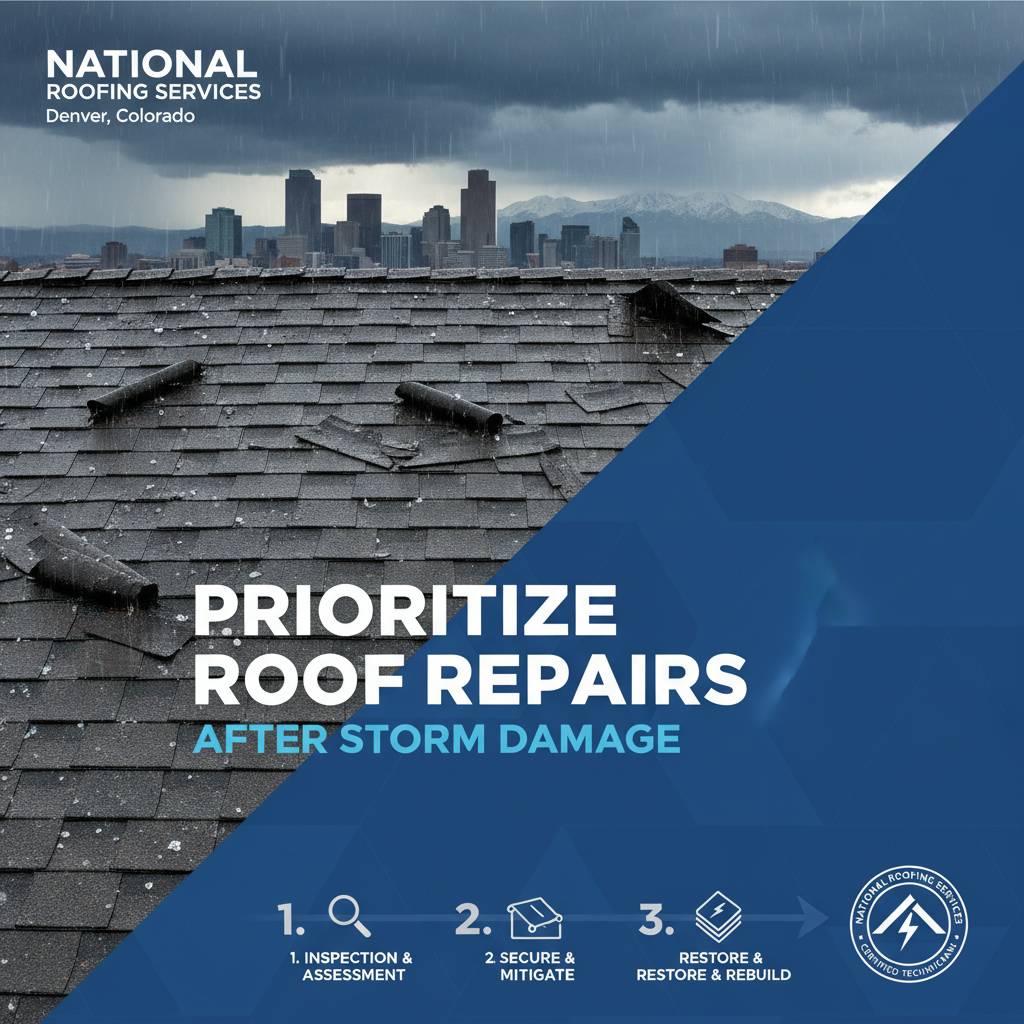 Prioritization depends on the severity and location of damage, but a useful rule is to address issues that threaten safety, prevent further water entry, or expose structural elements first. Critical fixes can include patching active leaks, stabilizing collapsed sections, and removing heavy debris that could damage the roof deck.
Next, focus on repairs that protect building systems and contents-such as areas above HVAC equipment, electrical panels, and interior finishes. Even a seemingly small leak above a complex mechanical system can lead to costly failures if not contained quickly. Prioritizing those spots saves money and disruption down the road.
Lower-priority repairs include cosmetic shingle replacements or trim and paint that don't immediately affect the building envelope. Those can usually wait until emergency work and insurance approvals are complete. That said, plan them into your overall repair timeline to restore the home's protective and visual integrity comprehensively.
Emergency vs. non-emergency roof issues
Emergency issues demand immediate attention: active leaks, large missing sections of roof, exposed insulation or structural members, and any damage that creates an immediate hazard to occupants. Non-emergencies include isolated shingle loss without evidence of interior damage, minor flashing issues, and cosmetic surface damage. Categorizing helps you allocate resources logically.
When unsure whether an issue is an emergency, err on the side of caution. A rapid professional assessment can often be scheduled within hours, and preventative measures like tarping typically cost far less than addressing advanced water damage or mold remediation later.
Step-by-step triage and temporary repairs
Once you've assessed and documented damage, create a simple triage plan. Start by listing areas of active water entry, then note sections where structural elements are exposed or sagging. Assign immediate action to the most serious items (tarping, debris removal, temporary supports), and schedule follow-up inspections and permanent repairs accordingly.
Temporary measures commonly include: installing a water-resistant tarp to cover exposed areas, using buckets and towels to collect drips and prevent runoff onto finished surfaces, and removing debris that could cause further punctures or weight stress. These steps are stopgaps-meant to reduce damage until a licensed contractor can make permanent repairs.
- Cover active leaks with a tarp secured at multiple anchor points.
- Protect interior finishes with plastic sheeting and move valuables away from affected zones.
- Block off unsafe rooms and avoid using areas with obvious structural compromise.
Temporary repairs should be photographed and dated, and receipts for materials or emergency services kept for reimbursement through insurance. If possible, have a contractor document the need for an emergency tarp or boarding; insurers often require proof that you mitigated further damage after the storm.
Working with insurance: documentation and claims strategy
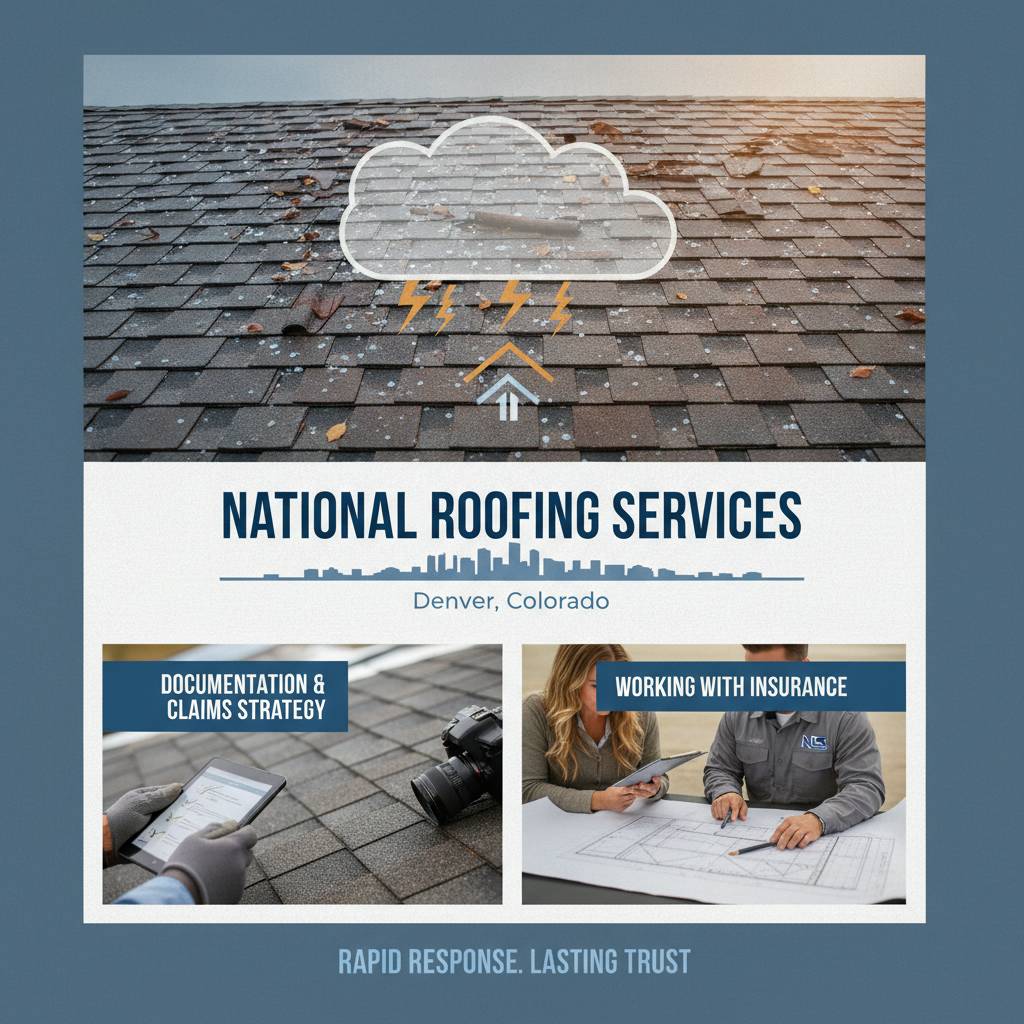 Insurance procedures vary, but timely reporting and detailed evidence are universally important. Contact your insurer early to report damage and ask about their preferred documentation. Provide the photos, videos, and lists you created during the assessment, and keep correspondence organized by date and subject. Early communication prevents unnecessary delays in claim approval.
Expect an adjuster visit for larger claims. Be present during inspections to point out hidden or interior damage that a quick exterior check might miss. If a contractor recommends emergency work, get a written estimate or scope of work to share with your insurer-this helps clarify urgency and cost expectations during the claims process.
If you receive a claim denial or an offer that seems low, request a clear explanation and consider a second opinion from a qualified roofing professional. Independent, written contractor estimates can support your case and help negotiate a fair settlement. National Roofing Services can provide inspection reports and written scopes of work that align with insurer expectations.
Choosing between DIY fixes and hiring professionals
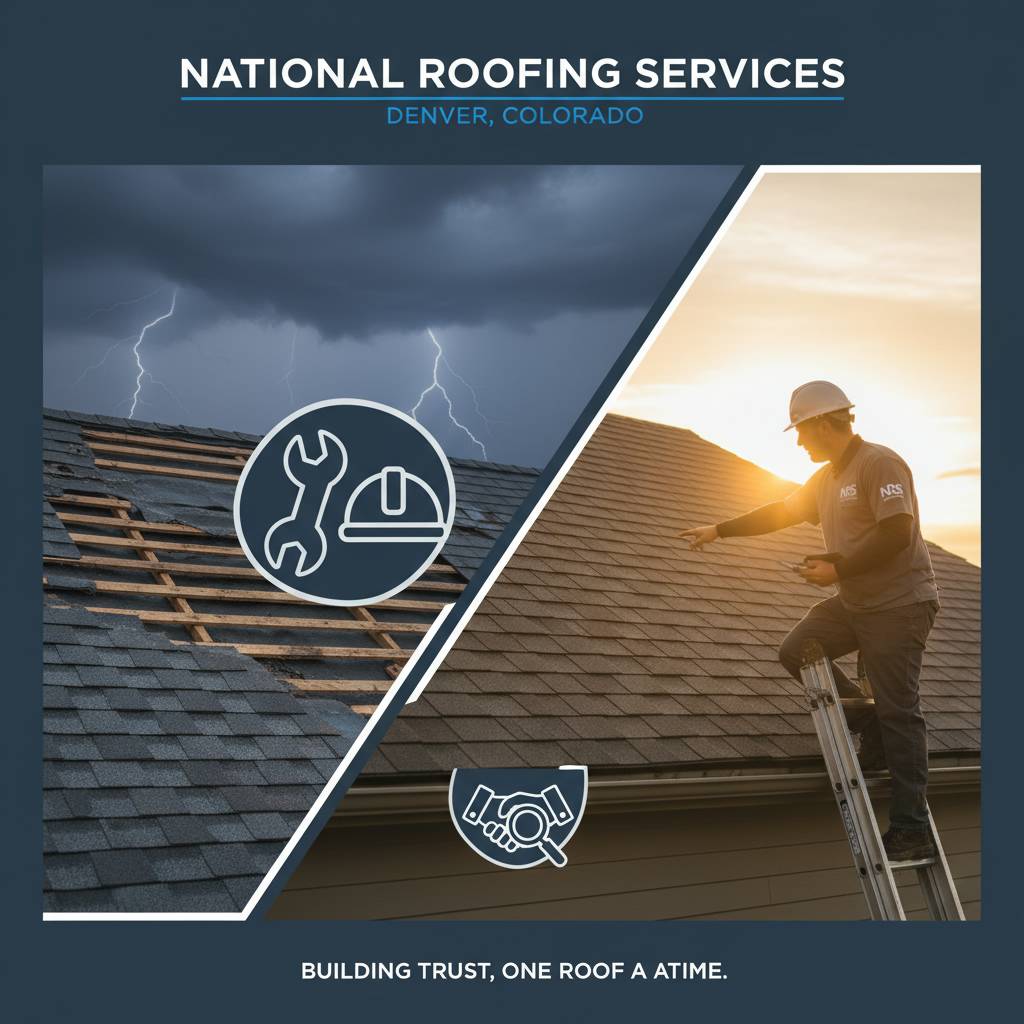 Small, safe tasks like clearing gutters or removing light debris may be handled by homeowners with the right tools and experience. However, most roof repairs after storm damage require trained professionals-especially when work involves roofing systems, structural supports, or electrical hazards. Improper repairs can void warranties and create larger liabilities later.
When hiring, look for licensed contractors with storm-repair experience, local references, and proof of insurance. Ask for a clear written contract outlining scope, materials, schedules, and payment terms. Avoid contractors who demand large upfront cash payments or who pressure you to sign immediately. Reliable firms will provide a transparent plan and multiple ways to reach them for follow-up questions.
NRS occasionally accompanies our assessors on final walkthroughs to ensure homeowners understand both temporary and permanent scopes. A good contractor will also help you prioritize repairs based on long-term performance and cost-effectiveness, not just immediate fixes.
Timeline, cost expectations, and realistic outcomes
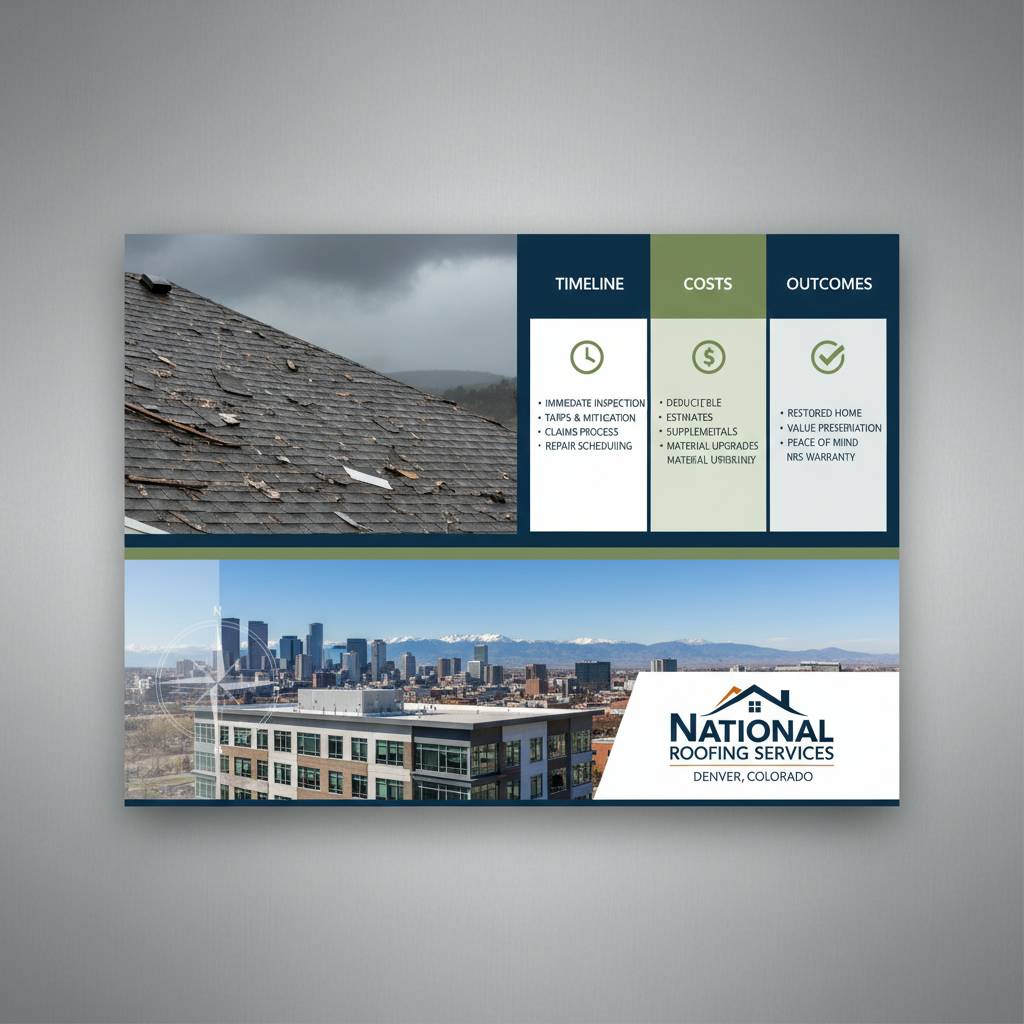 Timelines depend on damage extent, permit requirements, and material availability. Emergency tarping and stabilization can often be completed within 2448 hours, while full roof replacements may take days to a couple of weeks, plus additional time for interior repairs. Plan for a staged process: immediate triage, insurance approval, permanent exterior repairs, then interior restoration.
Costs vary widely by roof size, material, and hidden damage. Many homeowners find that initial contractor estimates increase once decking, sheathing, or interior components require replacement. Build a contingency into your budget-typically 1020%-to cover unforeseen issues discovered during repair. Transparent contractors will explain where contingencies might be used and seek approval before proceeding.
| Priority | Typical response time | Typical cost range |
|---|---|---|
| Emergency tarping/temporary protection | Within 2448 hours | Low to moderate |
| Local shingle/flashings repair | 27 days | Moderate |
| Full roof replacement | 13 weeks (scheduling dependent) | Moderate to high |
| Interior restoration (drywall,paint,flooring) | After exterior secured | Varies |
Transparent communication with your contractor and insurer shortens timelines and reduces unexpected costs. Make sure repair agreements include warranty information and a clear acceptance protocol for completed milestones.
Common questions and real-world examples
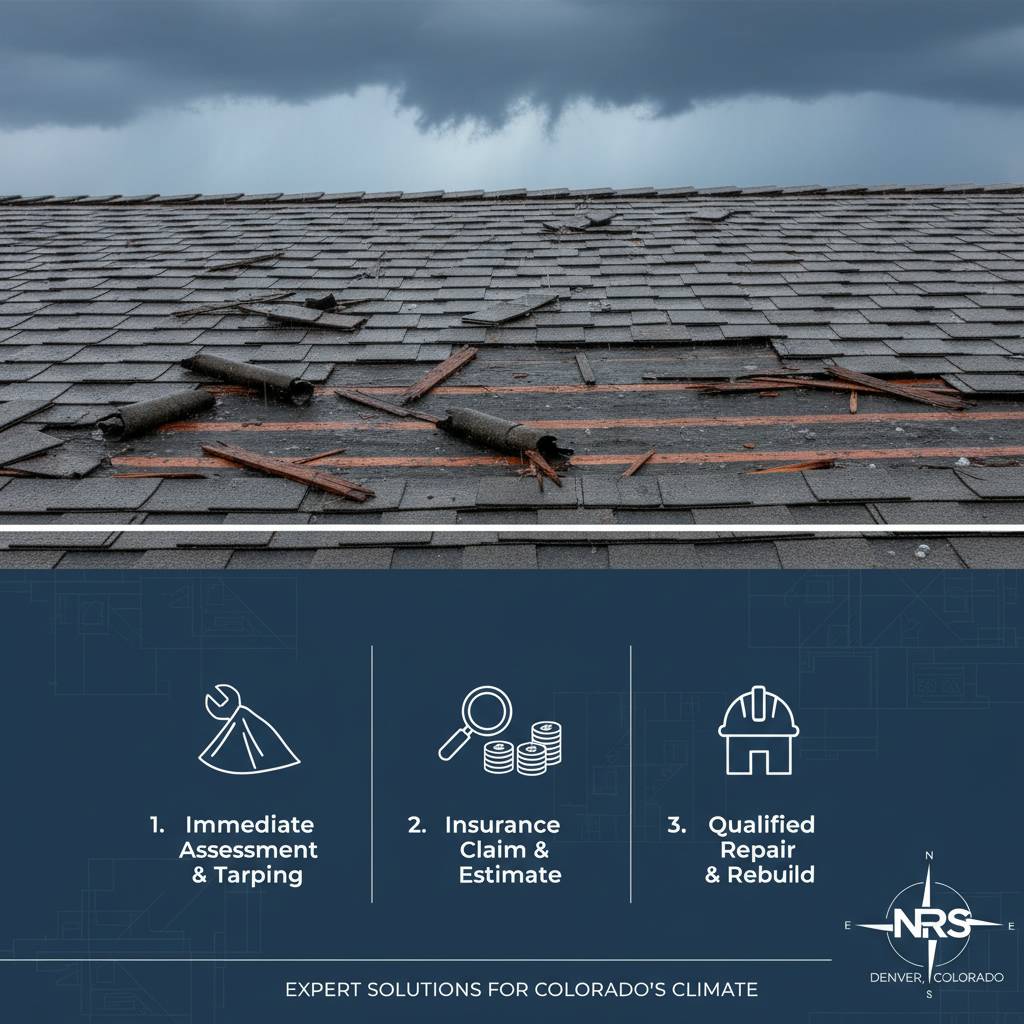 Homeowners often ask whether a few missing shingles require immediate attention. The short answer: it depends on location and exposure. A single missing shingle in a sheltered valley may be lower priority, but a missing patch over a roof seam or near a penetrative element like a vent can channel water directly into the structure and should be handled quickly.
Consider this brief case example: a homeowner experienced a storm with tree limb impact. The roof had visible holes and interior ceiling stains. By prioritizing an emergency tarp and debris removal within 12 hours, the family prevented expanded water damage to insulation and HVAC equipment. A contractor documented the emergency measures, which streamlined the insurance payout and led to a full replacement within three weeks.
- FAQ: How long can I wait to replace damaged shingles? If interior damage is present or roofing underlayment is exposed, don't wait. If no interior damage and weather is stable, you may schedule repairs within a week or two.
- FAQ: Will an emergency tarp void insurance? Proper documentation of tarp installation and receipts typically supports your claim and demonstrates reasonable mitigation efforts-insurers expect homeowners to limit further loss.
- FAQ: What if I find mold after delayed repairs? Mold remediation is costly and more complicated than immediate repairs. Prioritizing quick water control reduces the risk of mold growth and extensive interior rebuilding.
Next steps and contacting National Roofing Services
If you've recently had storm damage, start by ensuring safety and documenting affected areas as described above. Then contact a reputable inspection team to schedule an urgent assessment. National Roofing Services provides rapid triage inspections, emergency tarping, and a clear, prioritized repair plan so you know exactly what needs attention first and why.
For fast inspections and triage, reach out to our team at 303-555-7788. We'll help you sort immediate threats from longer-term repairs, prepare documentation for insurance, and coordinate trusted contractors to restore your home safely and efficiently.
Protecting your home after a storm is about sensible prioritization: stop active damage, protect contents and systems, and then plan permanent repairs with qualified professionals. When time and decisions matter most, National Roofing Services is ready to help - call 303-555-7788 today for prompt, experienced support.