Roof Maintenance Cost Saving Tips
This guide provides roof maintenance cost saving tips to extend roof life and reduce expenses
Small investments now can avoid major repairs later. This guide lays out practical, prioritized roof maintenance cost saving tips to help homeowners and property managers identify the inspections, cleaning, minor repairs, materials choices, and scheduling moves that reduce longterm expense while extending roof life. Reach National Roofing Services at 303-555-7788 for customized maintenance plans tailored to your roof type and local climate.
Throughout this guide you'll find straightforward steps you can take yourself, plus guidance on when to call a professional. Wherever it helps, numbers, simple comparisons, and checklists clarify tradeoffs so decisions are easier and less costly. Use these recommendations to build a maintenance rhythm that protects your roof's warranty, improves energy efficiency, and lowers unexpected repair bills.
Routine inspections and cleaning: high impact, low cost
Routine inspections are one of the most effective roof maintenance cost saving tips because they catch issues while repairs are still small. Aim for at least two visual inspections per year-ideally in spring and fall-and after any severe storm. A quick walk-around from the ground and a detailed look from a ladder or safe vantage point will reveal missing shingles, blocked gutters, standing water, or flashing problems before they escalate.
Cleaning gutters and downspouts regularly prevents water backup that can damage fascia, soffits, and roofing underlayment. Leaves and debris trapped in eaves accelerate rot and encourage ice dams in winter. Even if you hire gutter cleaning, scheduling it biannually and inspecting the gutter mountings yourself saves money and reduces the chance of hidden roof edge damage.
Seasonal checklist for inspections
- Spring: Check for winter storm damage, replace torn shingles, verify attic ventilation, and clear spring pollen and debris.
- Summer: Inspect for UV damage, check flashings around vents and chimneys, and trim overhanging tree branches.
- Fall: Clean gutters, remove leaves, ensure downspouts route water away from the foundation, and inspect for loose or cracked sealants.
- After storms: Look for displaced shingles, dents, punctures, and granule loss; document damage for insurance if severe.
Cost-effective repairs and preventive fixes
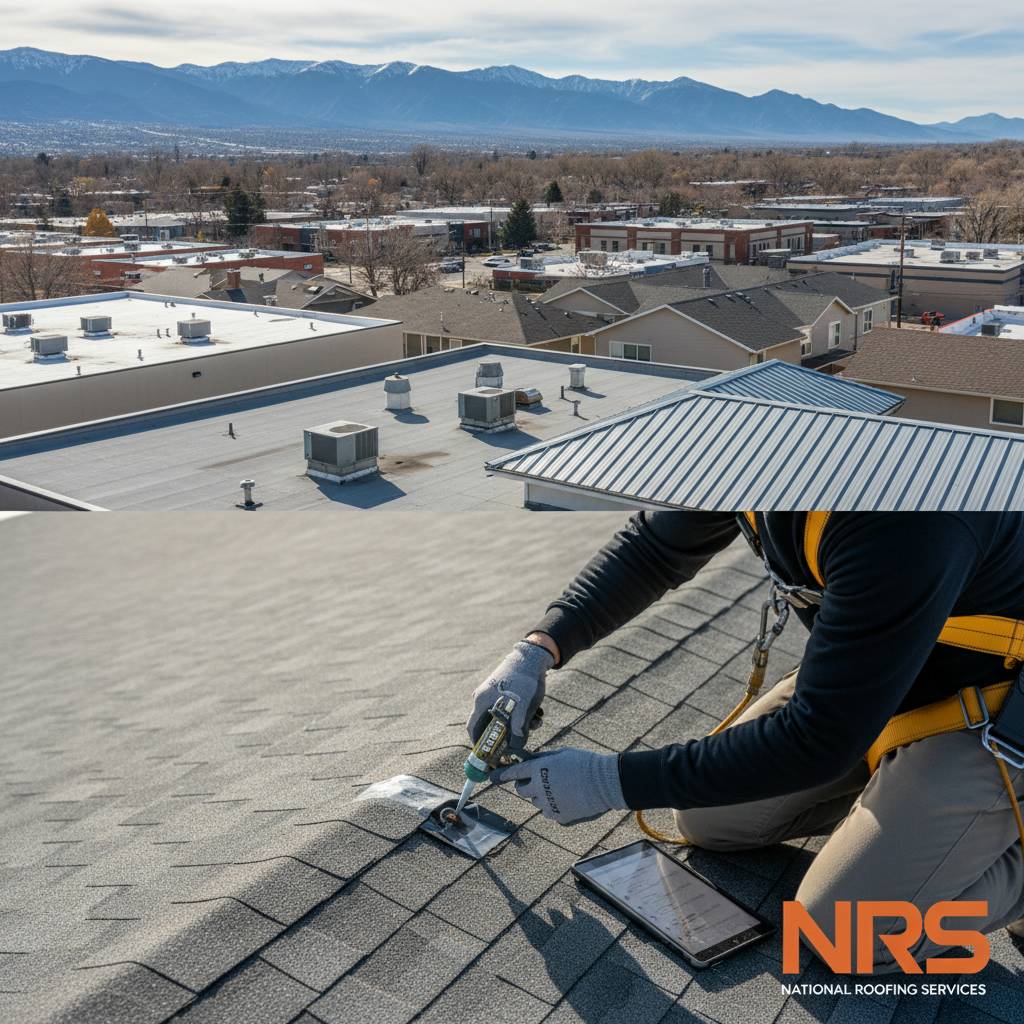 Tackling small repairs promptly is central to roof maintenance cost saving tips. A single missing shingle or cracked sealant can allow water intrusion that becomes rot, mold, or structural damage. Replacing a few shingles, re-sealing a flashing, or fixing a small leak often costs a fraction of a full roof replacement. Prioritize repairs that protect the roof's water-shedding components first-flashings, valleys, and eaves.
For common problems like loose flashings, small nail pops, or split underlayment seams, a targeted fix is usually sufficient and inexpensive. Use compatible materials and proper fastening techniques to avoid creating new failure points. Keep a log with photos and dates of repairs; this discipline helps spot recurring issues and can reduce diagnostic labor costs when you call a contractor.
When to DIY vs when to call a pro
Simple tasks such as gutter cleaning, replacing a couple of asphalt shingles, or re-caulking around a vent are reasonable DIY projects for people comfortable with ladders and basic tools. However, if the roof slope is steep, the damage is extensive, or the problem involves structural framing or complex flashings, hire a licensed professional to avoid safety risks and costly mistakes.
Smart materials and upgrades that deliver long-term savings
Choosing the right materials and making strategic upgrades can reduce maintenance costs over the life of a roof. Higher-quality shingles with better wind and UV resistance or metal roofing with long lifespans often cost more up-front but lower lifecycle expenses through reduced repair frequency and longer warranty periods. Consider local climate, roof pitch, and energy goals when selecting materials to maximize return on investment.
Reflective roof coatings and cool roof materials lower attic temperatures, which reduces HVAC workload and can extend shingle life by limiting thermal cycling. Similarly, properly installed underlayment and ice-and-water shields in vulnerable areas significantly reduce the risk of water intrusion, especially in climates with freeze-thaw cycles. These targeted investments can be among the most effective roof maintenance cost saving tips for energy and durability.
| Material | Typical lifespan | Maintenance frequency | Cost tradeoff |
|---|---|---|---|
| Asphalt shingles | 1530 years | Inspection & small repairs yearly | Lower initial cost; moderate long-term maintenance |
| Metal roofing | 4070 years | Few repairs; clear debris regularly | Higher upfront cost; low lifecycle maintenance |
| Tile or slate | 50100 years | Periodic flashing and underlayment attention | High initial investment; long lifespan |
Professional maintenance plans: predictable costs, reliable outcomes
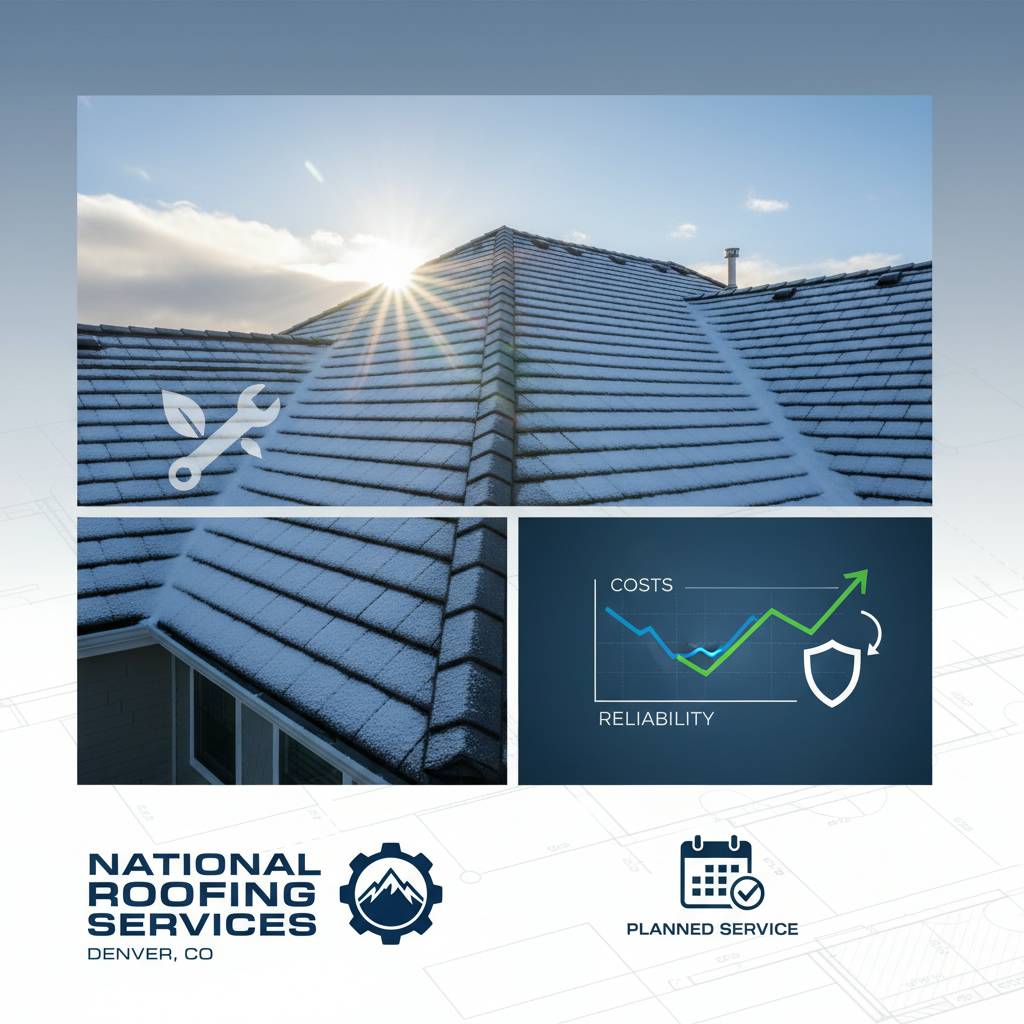 Enrolling in a professional maintenance plan is one of the roof maintenance cost saving tips that appeals to property managers and busy homeowners. Regular, scheduled service from a reputable contractor reduces the odds of emergency calls and helps maintain warranty compliance. Plans typically include seasonal inspections, gutter maintenance, minor repairs, and prioritized emergency response-bundles that often cost less than ad hoc service calls when averaged annually.
National Roofing Services offers customizable maintenance plans that balance frequency, scope, and budget. A good plan documents every visit with photos and an itemized summary, making it easier to forecast future expenses and avoid surprises. If you prefer a familiar point of contact, ask for NRS when arranging visits and consultations to maintain continuity and tailored attention.
- Typical plan inclusions: biannual inspections, gutter cleaning, flashing checks, and discounted emergency repairs.
- Benefits: lower average annual cost, extended roof life, and faster response to emerging issues.
- Recommendation: review plan details for exclusions and make sure the contractor is licensed and insured.
Timing, climate and weather strategies to reduce repair frequency
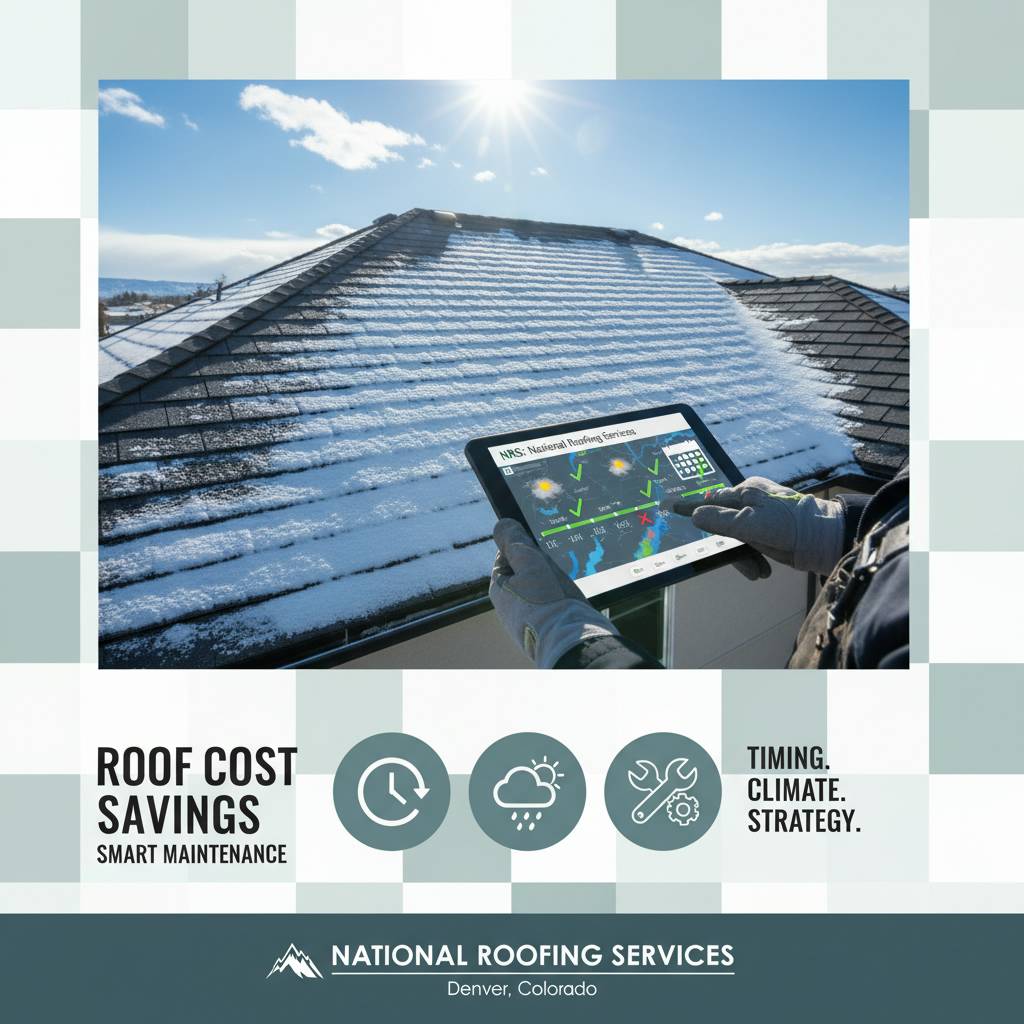 Appropriate timing of maintenance activities reduces unnecessary wear and prevents weather-driven failures. For example, completing roof inspections and gutter cleaning in early fall helps clear summer debris and prepares the roof for winter storms. In regions with heavy snowfall, installing proper ice-and-water shield and ensuring adequate attic insulation and ventilation mitigate ice dam formation, a frequent cause of costly interior damage.
In hot, sunny climates, select materials and coatings that resist UV degradation and consider additional attic ventilation to lower heat stress on the roof assembly. Paying attention to seasonal patterns and scheduling maintenance just before the most severe season is a strategic roof maintenance cost saving tip: it prevents the compounded damage that results from delayed care during extreme conditions.
DIY best practices and when professional help saves money
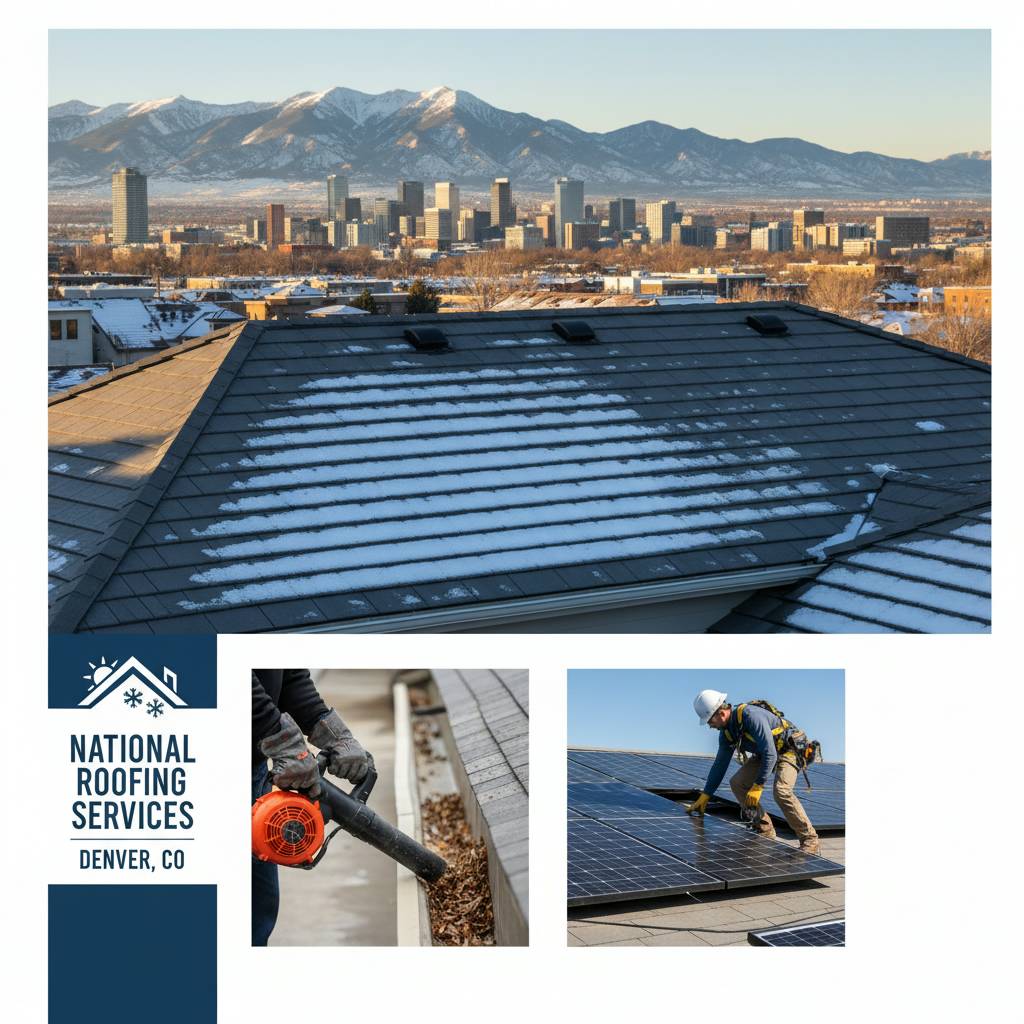 Adopting safe, effective DIY practices contributes to your roof maintenance cost saving tips without increasing risk. Always use proper fall protection, work from a stable ladder, and avoid walking on brittle or overly steep roofing surfaces. When performing DIY tasks, use manufacturerrecommended materials to preserve warranties and follow industry best practices for sealing and fastening to prevent accidental damage.
Track labor time and materials used for each DIY task; this habit produces a realistic baseline for deciding when a professional is more economical. Complex jobs-such as replacing large roof sections, repairing structural rot, or addressing complicated flashing systems-typically have higher risk and hidden costs if performed incorrectly. Investing in a professional evaluation early can reveal small issues before they become expensive structural repairs.
Decision checklist: hire a pro if...
- The roof pitch is steep or access is unsafe.
- Damage appears widespread or involves structural wood rot.
- Work affects roof penetrations, complex flashings, or HVAC units.
- Insurance claims or warranty requirements demand certified documentation.
Frequently asked questions and practical answers
 How often should I replace shingles? Lifespan depends on material quality and climate; standard asphalt shingles usually last 1530 years. Regular inspections and prompt repairs can extend actual service life and delay replacement costs.
Will regular maintenance void my warranty? No-most manufacturer warranties require scheduled maintenance. Keep records and invoices to demonstrate compliance, which helps when filing warranty claims or insurance paperwork after a covered event.
Can a roof coating eliminate the need for replacement? Coatings can extend life by protecting the surface and improving water resistance, but they are not a permanent substitute for replacement when the underlying structure or underlayment has failed. A professional assessment will determine whether a coating is appropriate.
Practical next steps and small investments that pay off
Begin with a detailed inspection and create a prioritized list of fixes. Schedule basic maintenance tasks-gutter cleaning, debris removal, and minor shingle or flashing repairs-before severe weather seasons. Even modest expenditures, like a roll of quality underlayment, a few shingles, and professional flashing repairs, can prevent far more costly problems down the road.
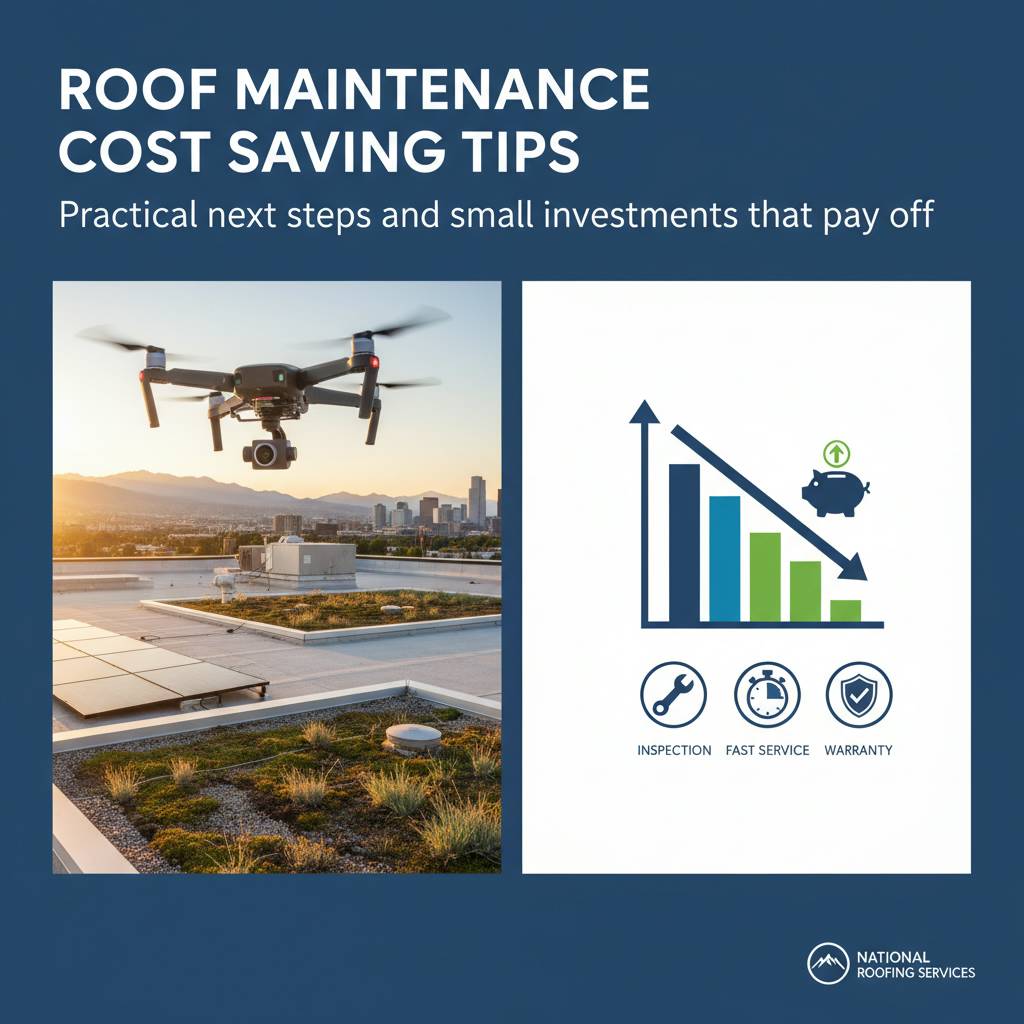
Document every maintenance action with dates and photos. This record reduces diagnostic costs for contractors, helps with warranty claims, and improves resale value by demonstrating care. Think of maintenance as risk management: consistent, documented care is the most reliable roof maintenance cost saving strategy available.
Call to action and closing
 If you'd like a tailored maintenance plan that focuses on cost-effective priorities for your property, reach out to National Roofing Services for an on-site assessment and a written maintenance schedule. A short investment in planning prevents expensive surprises later and keeps your roof performing efficiently.
To schedule an inspection or discuss a maintenance plan, contact National Roofing Services at 303-555-7788. Our team will provide a clear scope, transparent pricing, and documented visits so you can expect consistent results and controlled costs.
Protect your property by turning these roof maintenance cost saving tips into action today-then enjoy the peace of mind that comes with a well-maintained roof. Contact National Roofing Services at 303-555-7788 to get started.