Signs A Small Leak Needs Emergency Professional Repair
Some small leaks signal an urgent need for professional repair to prevent escalation. National Roofing Services identifies warning signs and offers emergency response services. Call 303-555-7788 any time for assessment and rapid repair. Acting quickly can save significant time and money.
A tiny drip in a ceiling or a slow but persistent puddle beneath a sink often feels manageable - until it isn't. At National Roofing Services, we've seen countless situations where what looked like a minor inconvenience turned into water damage, mold growth, or structural compromise within days or weeks. Recognizing signs a small leak needs emergency professional repair is the first step toward minimizing damage and controlling costs.
Why small leaks escalate quickly
Water is persistent. It follows the path of least resistance, so even a minute leak can migrate through attic insulation, floor joists, or wall cavities and present far from its origin. Over time, continuous moisture weakens building materials, rusts fasteners, and undermines finishes. The speed of escalation depends on the leak's location, water volume, and building materials-but even slow leaks can have outsized consequences when left unaddressed.
Beyond physical damage, there are health and safety risks. Damp environments encourage mold and mildew that degrade indoor air quality and potentially trigger allergic reactions or respiratory problems. Electrical systems are also at risk when water reaches wiring or fixtures. Treating a leak as a maintenance item rather than a potential emergency is a common and costly mistake.
Common warning signs a small leak needs emergency professional repair
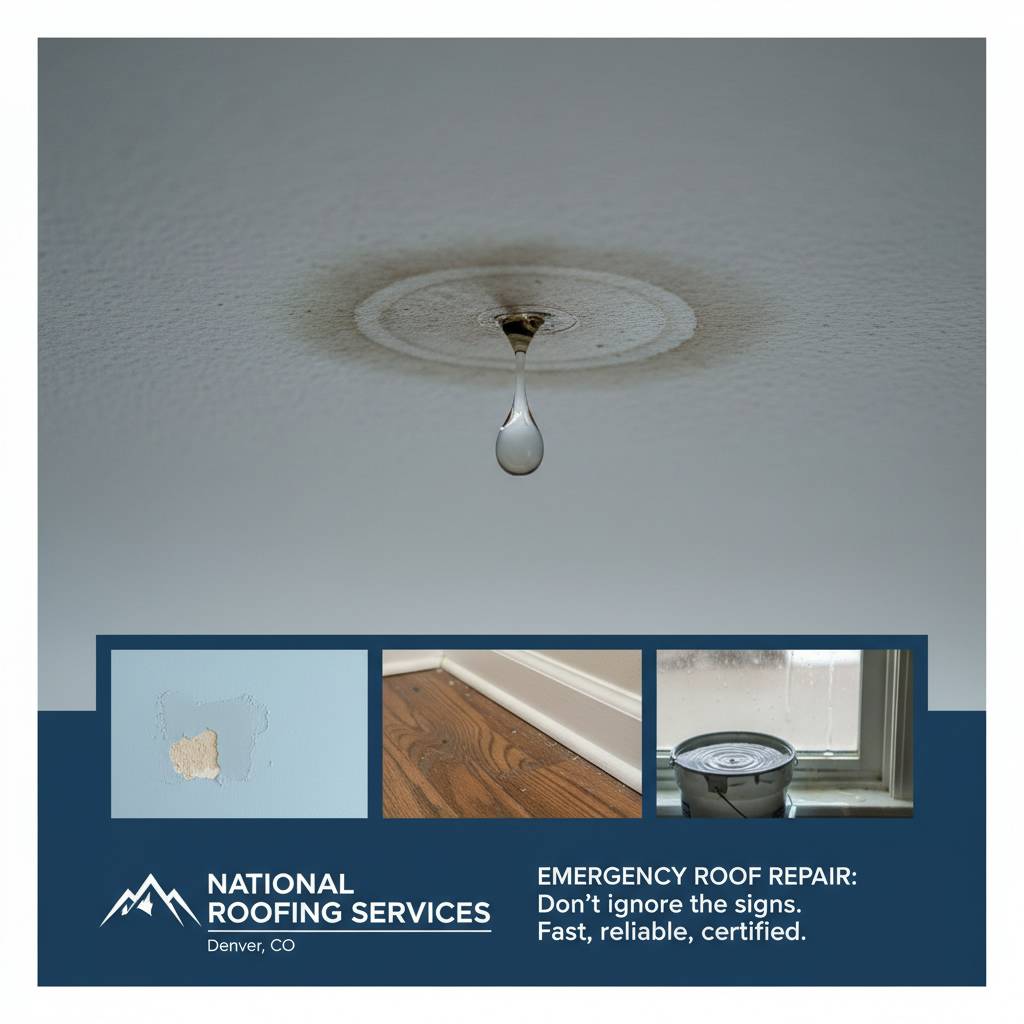 Knowing what to look for enables decisive action. Not every drip requires an emergency call, but certain indicators suggest immediate professional attention is prudent. These signs include abrupt changes, spreading damage, and evidence of contamination or structural failure. Learn to distinguish routine maintenance from urgent intervention.
- Rapidly growing stains on ceilings or walls, especially if they appear darker or bulge
- Pooling water that expands after initial appearance or reappears soon after mopping
- Persistent soggy or spongy flooring, particularly over floor drains or near appliances
- Musty or moldy odors that intensify within days
- Visible mold colonies near the leak source or along baseboards
- Water discoloration indicating rust or other contaminants
- Warm, damp spots on walls that suggest hot-water or boiler leaks
- Electrical arcing, flickering lights, or tripped breakers with water nearby
- Unexpected increases in water bills without a clear explanation
When one or more of these signs are present, it's often a clear indicator that professional assessment and repair should be prioritized rather than postponed.
How to inspect and identify the source safely
Before a technician arrives, homeowners or occupants can perform a calm, systematic check to gather useful information. Safety is the first priority: avoid standing water near electrical outlets or appliances, and do not attempt complex repairs if you lack the skills or tools. The goal is to establish the likely origin and the extent of visible damage to help technicians respond effectively.
Initial visual checks
Look for active drips and dampness patterns. Trace stains upward and outward - water travels down but can travel sideways within cavities, so the visible damage isn't always directly beneath the leak. Photograph areas of concern, note the timing of leak events, and check nearby appliances, plumbing fixtures, and roof penetrations for signs of malfunction or deterioration.
Basic functional tests
If safe, shut off individual appliances or fixtures one at a time to see if the leak stops. For plumbing, turn off supply valves to sinks or toilets; for roof concerns, monitor the area during the next rain event and observe whether new staining appears. Never open wall cavities or remove drywall without professional guidance, as doing so can disturb mold or electrical wiring.
Immediate steps to reduce damage while waiting for help
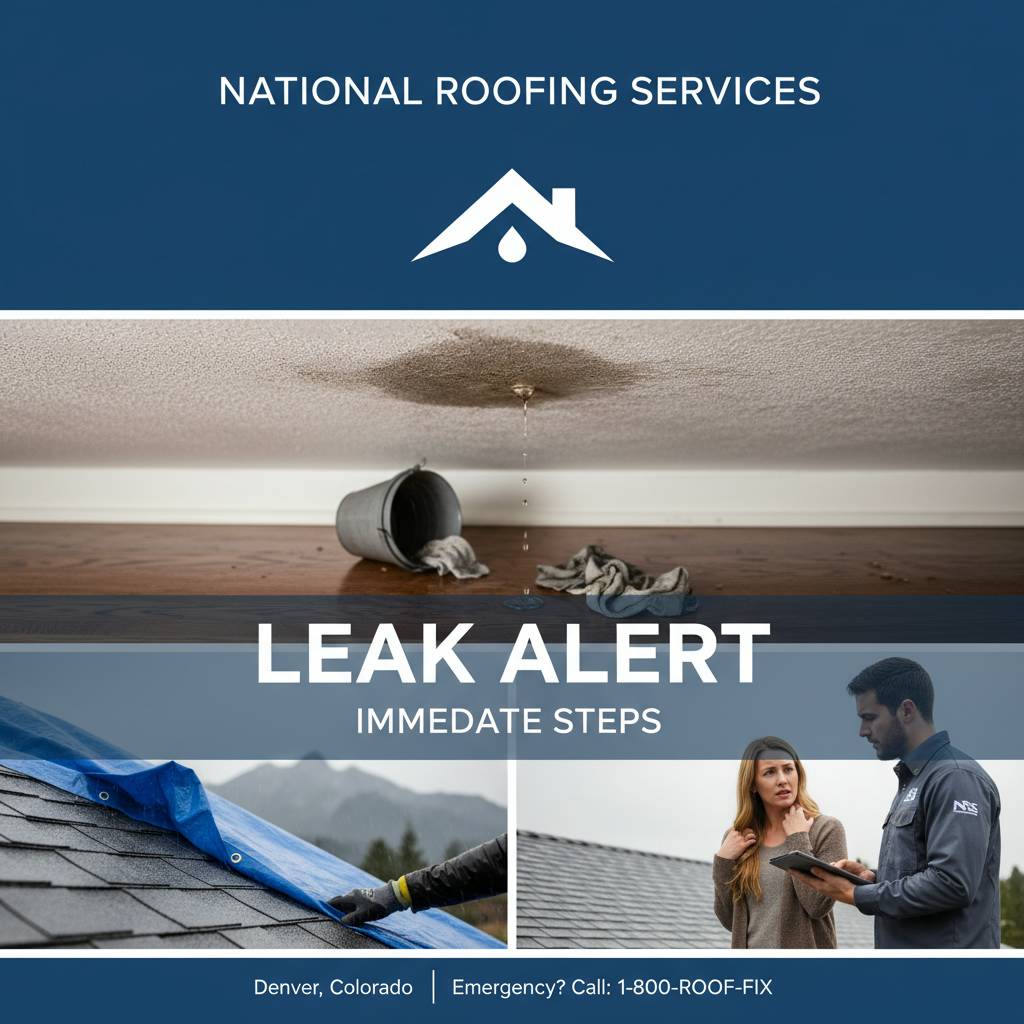 Short-term actions can significantly reduce the scope of repair needed later. Prioritize controlling the water source and mitigating secondary issues such as mold and electrical hazards. Small actions taken promptly can protect finishes and structural elements while our team prepares to deliver a professional response.
- Turn off the main water supply if the leak is extensive or source unknown.
- Move furniture, documents, and valuables away from affected areas.
- Use towels or buckets to collect dripping water and place waterproof barriers under affected areas.
- Open windows and run fans to promote drying, but avoid direct airflow on visible mold.
- Shut off power to affected areas at the breaker if water is near outlets or fixtures, or call an electrician if unsure.
Document everything. Take timestamps and photos before any cleanup for insurance claims. When you call National Roofing Services at 303-555-7788, this information speeds diagnosis and helps us arrive prepared with the right tools and materials.
What professionals do during an emergency repair
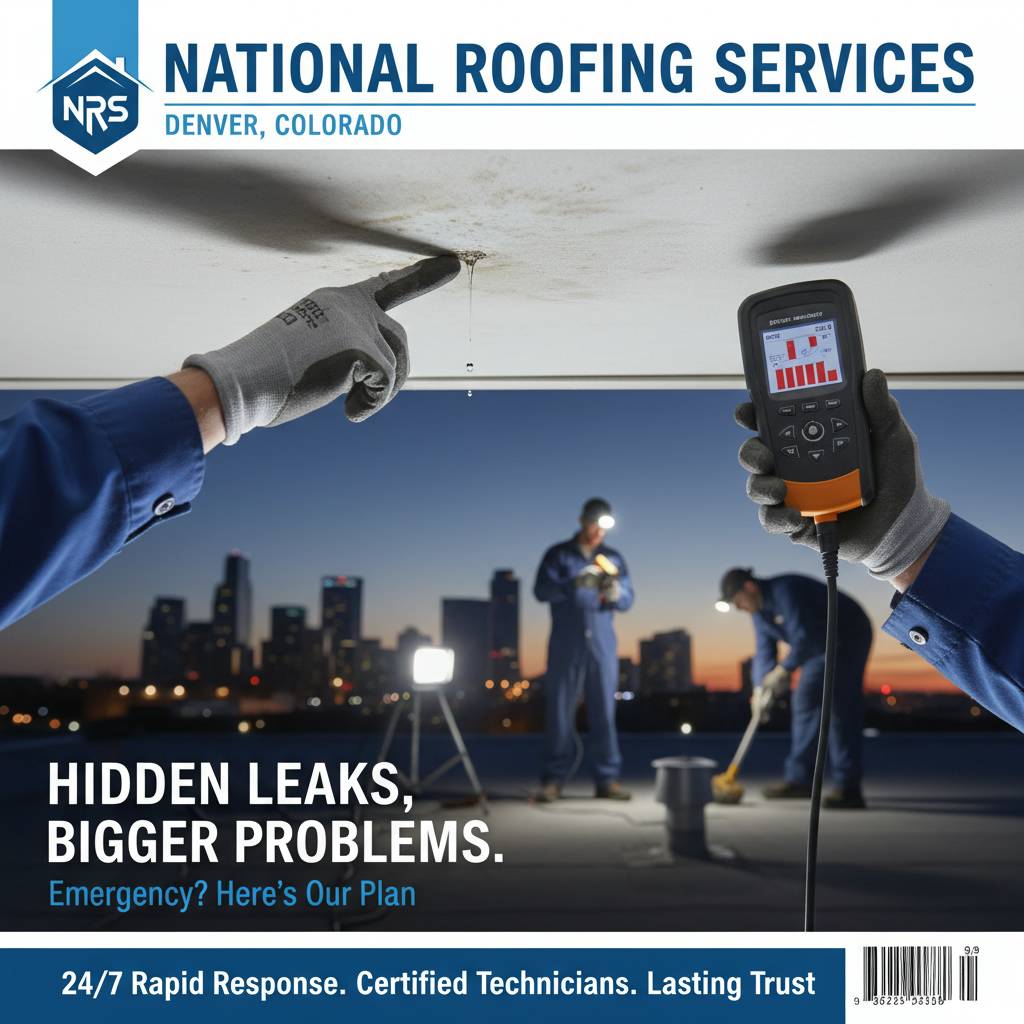 An experienced emergency repair team follows a systematic approach: assess, contain, repair, and verify. At National Roofing Services, our technicians prioritize safety and stabilization before moving into permanent repairs. This sequence minimizes further damage and establishes a clear scope for repair, replacement, and mitigation.
Assessment includes locating hidden sources using moisture meters, thermal imaging, and targeted inspection techniques. Containment can mean turning off water at the source, installing temporary patches, or implementing drying equipment. Repairs range from tightening or replacing fittings to more complex pipe replacement, roofing repairs, or structural remediation. Finally, technicians verify that the leak is resolved and recommend follow-up actions to prevent recurrence.
Typical steps in an emergency visit
- Rapid safety assessment and hazard mitigation (electrical, structural)
- Diagnostic testing to locate the leak source (visual, infrared, moisture mapping)
- Temporary containment or stopgap repairs to prevent additional water entry
- Full repair or scheduled follow-up for comprehensive replacement where needed
- Post-repair drying and humidity control, with mold prevention measures when required
When you should call emergency services versus scheduling a routine repair
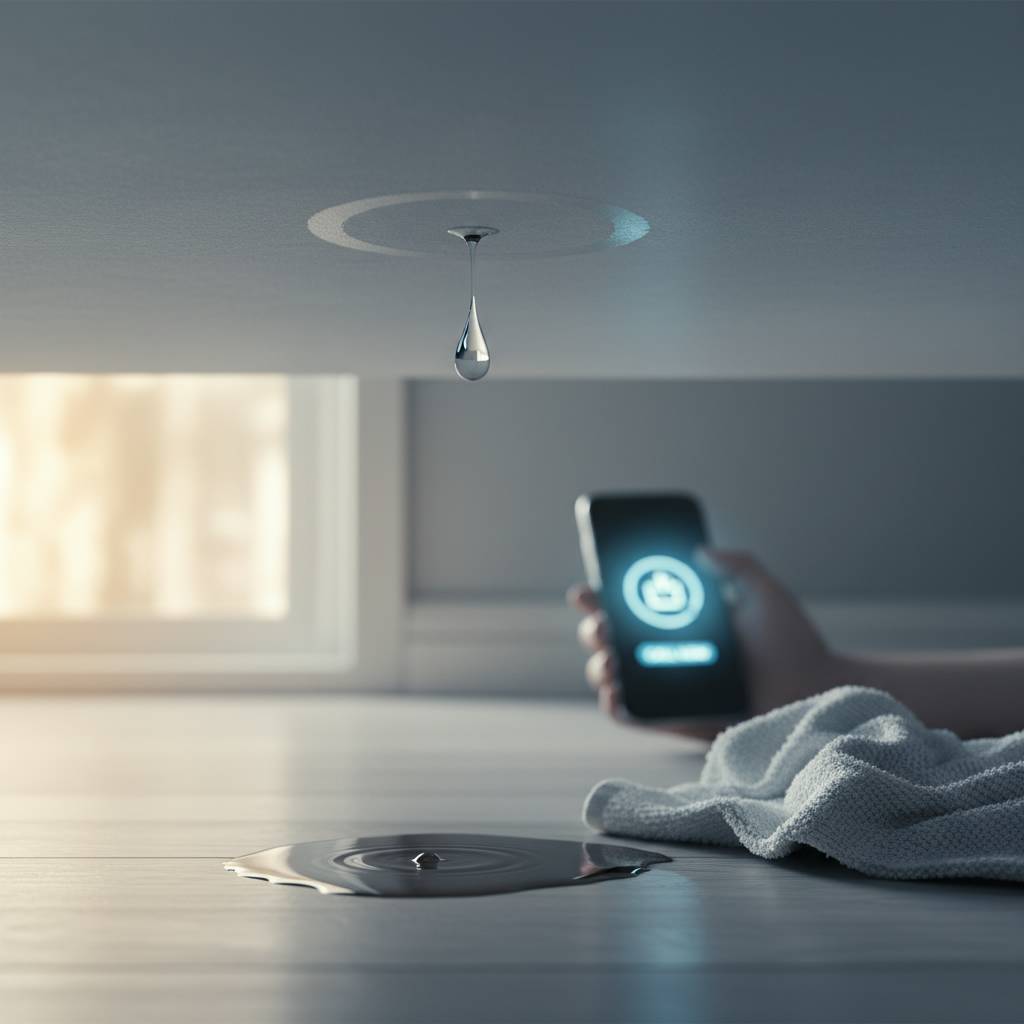 Not all leaks demand an emergency response. A slow drip that doesn't affect structural components, electrical systems, or finishes might be scheduled within a reasonable window. However, if the leak meets any of the urgent criteria outlined earlier - expanding staining, electrical risk, contamination, or substantial pooling - you should call for immediate professional assistance.
Use this simple triage guideline: if a leak threatens safety, property systems, or continues to spread despite temporary measures, treat it as an emergency. If it's small, isolated, and contained with no signs of progression, schedule a timely but non-emergency service visit. When uncertain, call National Roofing Services for quick advice; a short phone consultation often clarifies the best next step.
Cost considerations and working with insurance
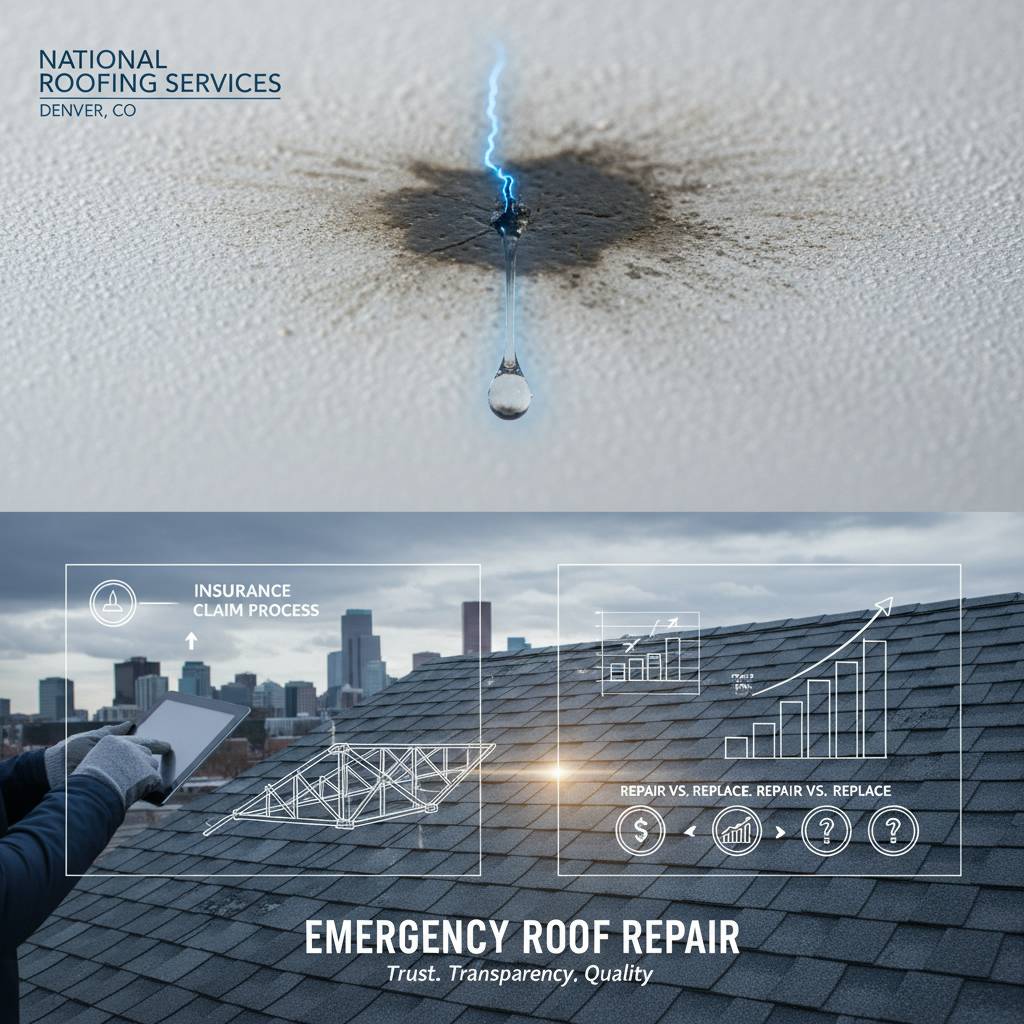 Emergency repairs frequently cost more than scheduled maintenance because of after-hours labor, rapid mobilization, and the urgency of specialized tools. However, acting quickly often reduces overall costs by preventing larger repairs, mold remediation, or structural replacements later. Many insurance policies cover sudden, accidental water damage but exclude slow leaks stemming from lack of maintenance. Understanding coverage is essential when making decisions after a leak.
Before an emergency repair, document the scene and preserve damaged items for claims processing when possible. National Roofing Services provides clear, itemized estimates and documentation to help with insurance submissions. Our technicians can also liaise with adjusters when necessary to facilitate timely approvals and repairs.
Prevention and ongoing maintenance to reduce future emergencies
The best way to avoid emergency repairs is a proactive maintenance program. Regular inspections reveal vulnerabilities before they become urgent. Small investments in preventive measures such as replacing old hoses, maintaining roof flashings, and insulating exposed pipes often yield substantial long-term savings and reduce the stress of mid-night calls.
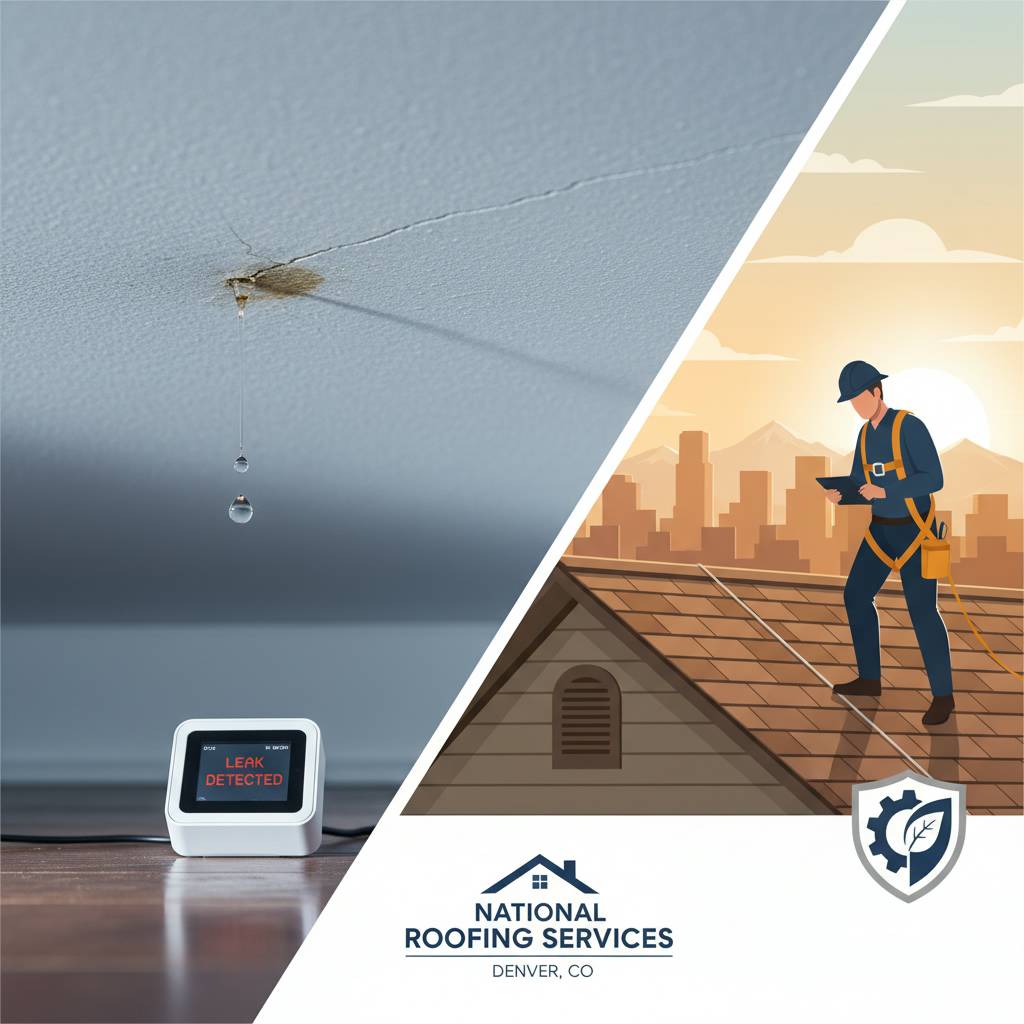
- Schedule annual plumbing and roofing inspections to catch wear and deterioration early.
- Replace rubber appliance hoses every 57 years or sooner if they show signs of cracking.
- Install water detection devices near appliances, sump pumps, and basements; pair them with automatic shutoff valves where possible.
- Keep gutters cleaned and ensure downspouts direct water away from foundations.
- Insulate pipes in unheated areas to prevent freeze-related bursts.
These steps do not eliminate all risk, but they change the odds in your favor. For property managers or homeowners who want continuous protection, National Roofing Services offers routine inspection plans and preventative services tailored to your building's systems and history.
Case example and quick FAQ
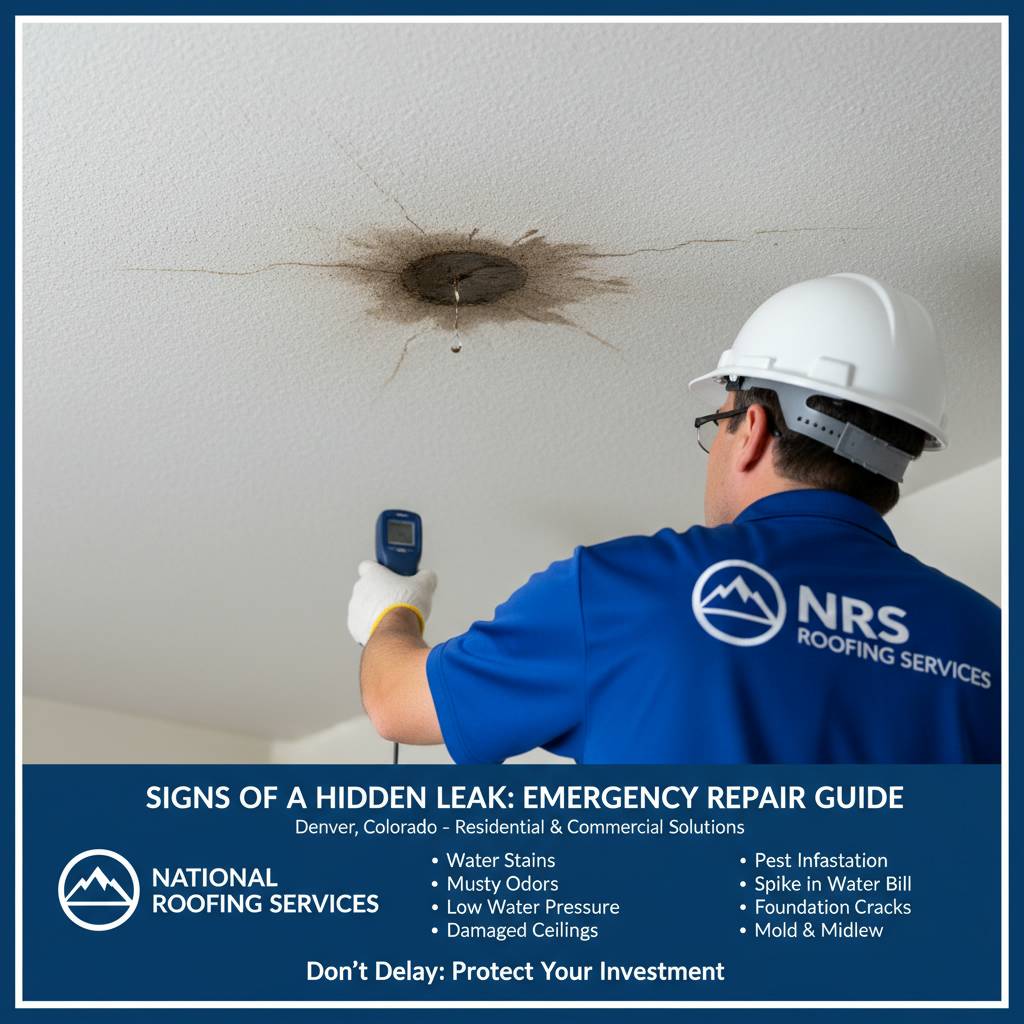 Case example: A homeowner noticed a faint stain along the hallway ceiling. Over three days the stain darkened and small beads of water appeared along the seam. The homeowner called National Roofing Services. Our technician located a slow pinhole leak in a hot water elbow within a ceiling cavity using thermal imaging. A temporary shutoff and targeted repair prevented ceiling collapse and extensive mold - saving the homeowner months of remediation and thousands in repair costs.
FAQ - Quick answers to common concerns
- Q: How fast can a small leak cause mold?
A: Mold can begin to grow within 2448 hours in warm, humid conditions. Quick drying and professional assessment prevent establishment.
- Q: Is it okay to paint over a water stain?
A: No. Painting masks the problem and can trap moisture, making it harder to diagnose and increasing damage over time.
- Q: Will my insurance cover an emergency repair?
A: Coverage varies. Sudden accidental damage is commonly covered; neglect-related claims are often denied. Document conditions and consult your insurer.
- Q: What should I tell the technician when I call?
A: Describe visible damage, timing, any recent repairs or storms, and whether water is near electrical systems. Photos are very helpful.
Why choose National Roofing Services for emergency leak repairs
At National Roofing Services, our emergency response is built on clear communication, rapid mobilization, and professional transparency. We assess the situation, make safe, effective temporary repairs when needed, and then complete permanent fixes with the appropriate materials and methods. Our technicians are trained in moisture detection, structural evaluation, and mold-aware practices so that repairs restore safety and long-term performance rather than offer a short-term patch.
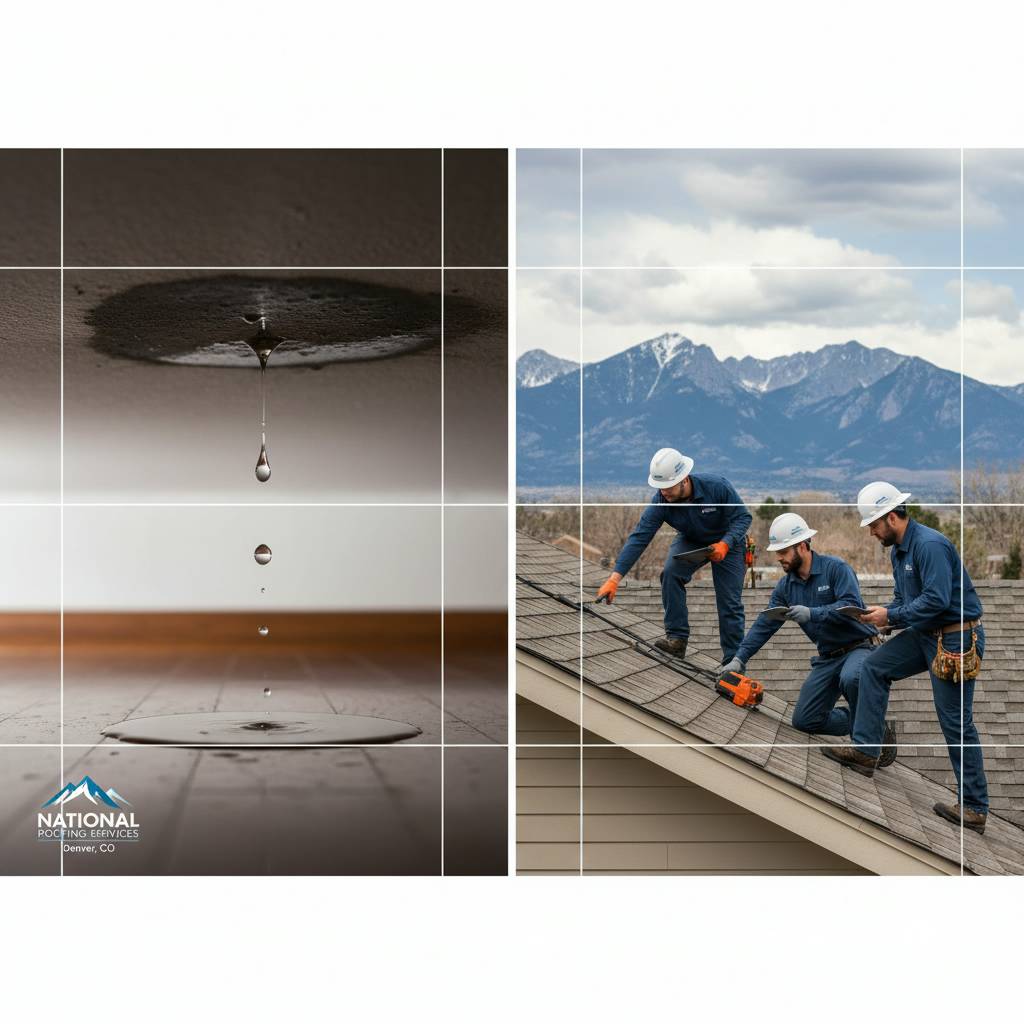
We combine experience with modern diagnostic tools to minimize invasive measures. When replacement is required, we explain options, lifespans, and cost implications so you can make informed decisions. Our aim is to reduce disruption and restore normalcy as efficiently and affordably as possible.
For concerns that require a rapid response, we're available around the clock. Call National Roofing Services at 303-555-7788 to report an issue, get immediate guidance, and arrange an emergency visit. If you use NRS in conversation with our dispatch, you may receive a faster, personalized response based on previous service history.
Acting quickly when you recognize signs a small leak needs emergency professional repair saves money, prevents health hazards, and protects your property's value. Don't wait for a small problem to become a crisis - professional assessment and timely repair are the best investments you can make.
When you need reliable, experienced emergency leak repair, contact National Roofing Services at 303-555-7788. Our team is ready to assess your situation, stabilize damage, and restore safety with practical, confident solutions.